
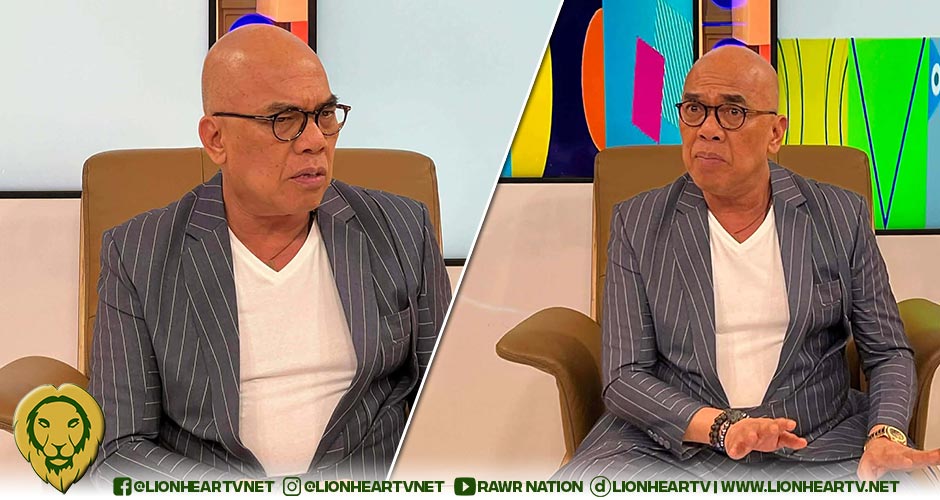
Three years since the launch of ‘Fast Talk with Boy Abunda’ on GMA Network, the country’s “King of Talk” Boy Abunda continues to evolve with the changing media landscape—without abandoning the core principle that made him one of the most respected interviewers in Philippine television: the power of a good story, or “kwento.”
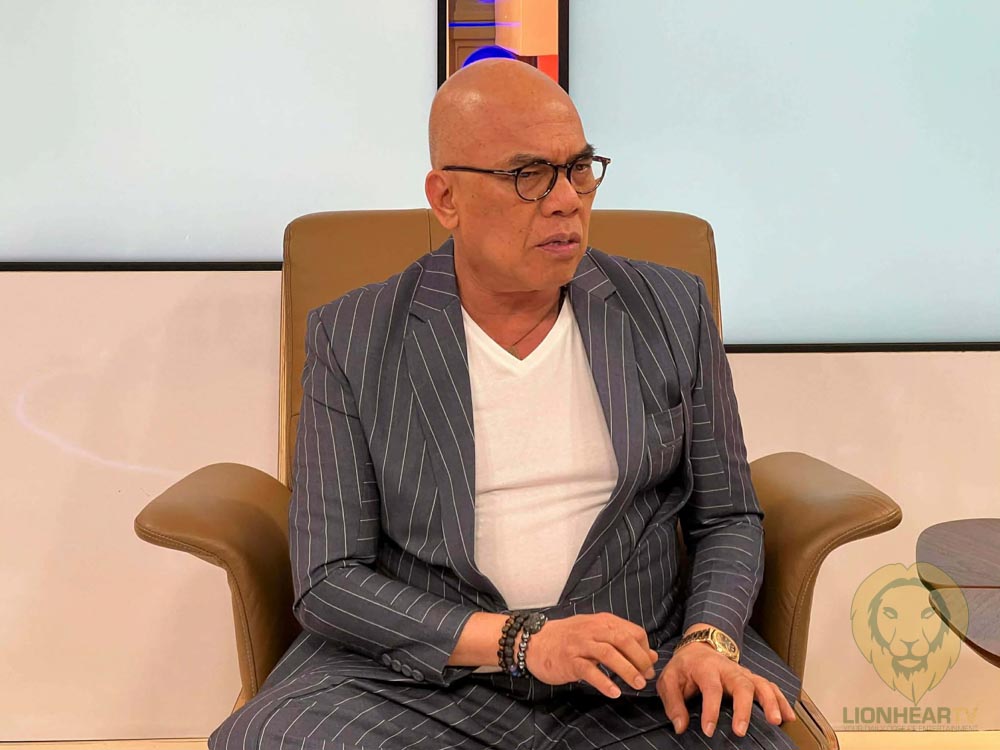
During a recent media gathering on the show’s set at the penthouse of GMA Network’s executive building, Abunda reflected on how the program’s unique 20-minute format came to be and why it remains effective in today’s fast-moving media environment.
Abunda revealed that shortening the program was his own decision, a response to the changing habits of modern audiences.
“It was my idea to go short,” he said, explaining that he had become “cognizant of how quick everything is today.”
Citing research on shrinking attention spans, he added: “I felt it would be abusing the attention of the public if I insisted on interviews that went on and on like we did on ‘The Buzz.’”
The reference was to ‘The Buzz’, the iconic ABS-CBN program he co-hosted with Kris Aquino for many years.
The 20-minute structure proved to be a smart adjustment to the realities of modern viewing. Since its debut, Fast Talk has maintained strong ratings in its timeslot while attracting substantial advertising support.
Despite the rise of digital platforms, Abunda does not view social media as a threat to television. Instead, he sees media platforms merging rather than competing.
“I don’t consider social media as an enemy,” he said. “[Fast Talk] is on television, yes, but we’re also watched on Facebook, YouTube, and heard on Spotify and Apple Podcast.”
For Abunda, the shift simply reflects how audiences now consume content across multiple platforms rather than relying on traditional television alone.
Even as the short format works, Abunda recognizes that some stories deserve deeper exploration. He is considering creating an extended segment tentatively called ‘After Fast Talk.’
This would allow conversations that cannot be fully unpacked within the constraints of broadcast television.
“There are stories that need to be tackled the way we used to do it,” he said.
He described the possibility of inviting experts to discuss complex issues raised in interviews.
“You bring in a psychologist, you bring in a pastor… so we have a better understanding of all the elements.”
Abunda also clarified that social media trends do not dictate how he selects guests or frames questions.
“You’d be surprised, there’s no formula.”
While acknowledging the value of digital influence, he emphasized that viral popularity does not automatically translate to compelling television.

Some online personalities succeed on broadcast TV, particularly those with strong regional followings in places like the Visayas and Mindanao. Others, despite having millions of followers, fail to create meaningful television moments.
For Abunda, the fundamentals remain unchanged. What ultimately determines whether an interview resonates is still the strength of the story.
Authenticity, emotional connection, and even moments of tension—when they arise naturally—are what keep audiences engaged. In other words, “kwento” still matters most.
Drawing from his academic background in communications, Abunda placed today’s media changes within a broader historical context. Radio once feared television in the 1950s, yet survived by reinventing itself with music programming. Television later dominated the media landscape—until social media disrupted it again.
Abunda admitted he initially reacted defensively to social media’s rise, but eventually recognized the shift as structural rather than temporary. The key, he said, was adaptation rather than resistance. That mindset has helped ‘Fast Talk with Boy Abunda’ remain relevant three years into its run.
Beginning March 2, the program airs at 4:45 p.m. on GMA Network, continuing to prove that even in a fast-paced digital era, the most powerful element of an interview is still the story behind it.