
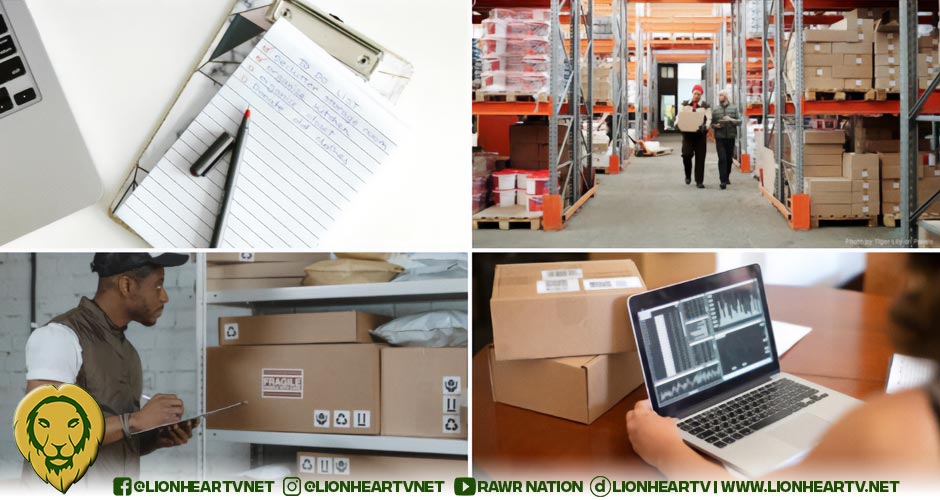
Inventory is one of the key functions of many businesses, and as the enterprise grows, owners and managers must carefully monitor it to promote efficiency and support development. As demands evolve and markets expand, inventory management becomes critical in maintaining profitability, reducing costs, predicting future needs, and ensuring customer satisfaction.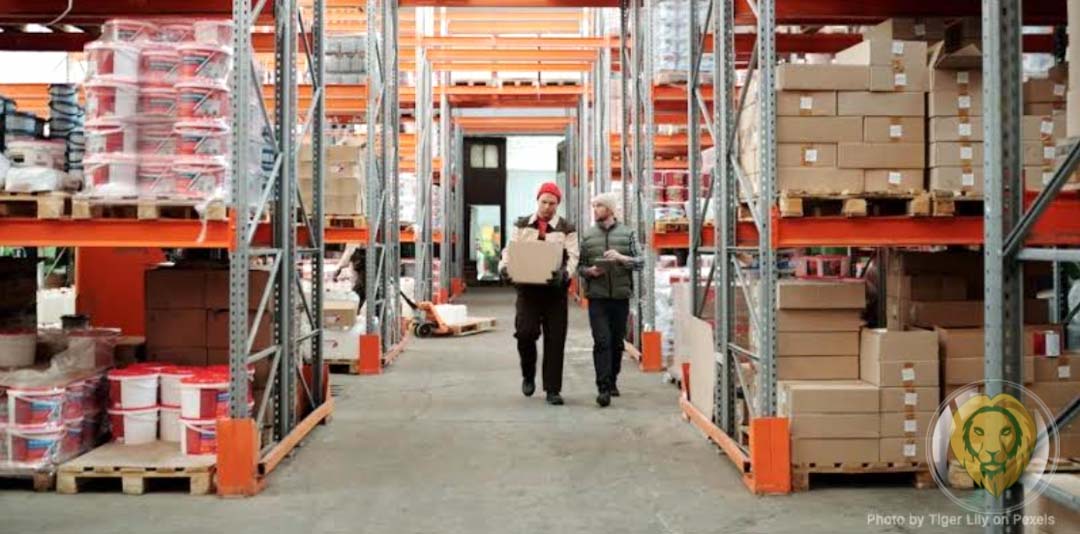
That said, inventory management is more than just keeping track of stock levels or confirming product availability. It is a vital function that reinforces broader strategies for driving business growth. So, in this article, you will find practical tips for improving inventory management so you can keep your processes efficient as your business grows.
Evaluate Your Current Inventory Processes
As a business expands, the movement of goods often becomes more complex. An increased order volume naturally introduces challenges and even small inefficiencies can lead to larger hurdles that affect profitability. Before making adjustments to your inventory management system, however, it is helpful to review how your current one operates. Assess the procedures already in place so you can identify gaps and areas where delays or inaccuracies occur. This review should also include how products are received, recorded, stored, and distributed.
Beyond serving as the foundation of your system upgrades, this process evaluation encourages consistency. As your business grows, relying on informal or outdated inventory methods can lead to confusion among staff. A thorough review of your processes reveals where responsibilities should be clarified and where workflows can be streamlined to support smoother operations.
Use Technology to Improve Accuracy
Growing businesses benefit from modern tools that support accurate and timely inventory tracking. In particular, working with a SAP Business One partner to leverage software solutions that record stock movements and provide inventory visibility enables managers to make decisions based on current information. Moreover, automatic updates from these systems allow for quick response to changes in demand. Perhaps more importantly, automation reduces the risk of errors caused by manual recording, keeping data consistent across locations and teams.
Strengthen Supplier Coordination
Supplier relationships play an important role in maintaining steady stock levels as a business expands. When you regularly communicate with suppliers, you help ensure that replenishment schedules remain predictable and that any changes in lead times are communicated in advance. Additionally, maintaining open communication allows you to address supply disruptions promptly and more effectively, allowing you to plan around potential delays.
Last but not least, strong coordination supports better forecasting. With consistent updates from suppliers about availability or production schedules, it’s possible to adjust orders before shortages occur. This cooperation becomes valuable as order quantities increase and customer expectations rise.
Improving Forecasting Methods
A growing business increasingly relies on accurate forecasting since larger operations face greater consequences when stock levels fail to match demand. Improved forecasting gives managers a solid reference point so they can better plan for busy periods and prepare for slower seasons. Through comprehensive reviews of past sales patterns and market monitoring, businesses can support better planning for inventory needs.
Consistent analysis of customer behavior also contributes to improved forecasting. When you know exactly which products sell quickly, you can maintain appropriate stock levels. As your business grows, a strong forecasting approach helps prevent stockouts and unnecessary surplus.
Optimize Storage and Warehouse Practices
An organized storage system becomes more important as inventory volume increases. A clear warehouse layout allows staff to locate items faster and reduces the chance of misplaced stock. Similarly, efficient use of space helps prevent overcrowding, which can lead to errors during packing, restocking, or receiving. Finally and importantly, a well-planned storage arrangement supports smoother daily operations. When aisles are clear and products are arranged as expected, teams can complete tasks more efficiently.
Build a Skilled Inventory Team
People play a central role in inventory management. As your business grows, having a trained team becomes critical for managing daily operations. Clear instructions and consistent training help staff understand their responsibilities and work with fewer errors. Moreover, a prepared team adapts more easily to new systems and tools. As inventory operations expand, new procedures may be introduced to handle the increased workload. Investing in training ensures your staff can keep up with changes and maintain high performance during business expansion.
Monitoring Performance and Adjusting Strategies
Lastly, remember that inventory management is not a set-and-forget process. As your business evolves, it’s essential to review performance regularly to maintain efficiency. Managers can use tracking indicators such as turnover rates or stock discrepancies to help determine whether current methods remain effective.
Consistent reviews also encourage thoughtful improvement. When strategies are periodically assessed and adjusted, businesses can adapt to growth without sacrificing quality.
Understanding the role of inventory in business helps owners and managers adjust their strategies as operations evolve and demands shift. As a business expands, its inventory management requires improvement through more refined processes, better storage practices, reliable software solutions, sufficient staff training, and consistent monitoring to ensure that the system grows with the company. These efforts help the business remain competitive and responsive as it positions itself for further development.