


The Germanium Conference Room inside the Titanium Building of the Department of Science and Technology–Metal Industry Research and Development Center (DOST-MIRDC) became a venue for meaningful conversations on innovation, collaboration, and the future of Philippine manufacturing as Dr. Gabriel Sampedro formally presented the accomplishments of his six-month engagement under the DOST Balik Scientist Program.
The gathering brought together DOST officials, engineers, researchers, academic partners, and industry stakeholders who came not only to hear the results of Dr. Sampedro’s work but also to discuss how those initiatives can continue shaping the country’s transition toward smarter and more competitive industries.
As the presentation began, Dr. Sampedro shared how returning to the Philippines through the Balik Scientist Program allowed him to bridge international experience with local realities. Drawing from his background in smart manufacturing, Industry 4.0, and global research collaborations, he emphasized that sustainable innovation is built through partnerships that unite government, universities, and the private sector.

Much of the discussion centered on the CUATRO Program, DOST-MIRDC’s flagship initiative that promotes the adoption of Industry 4.0 technologies among Philippine enterprises. Throughout his engagement, Dr. Sampedro worked closely with the CUATRO team in developing collaboration frameworks, operational guidelines, technology assessment methods, and research strategies that will help universities and industries work more effectively together.
Instead of focusing solely on technological advancements, the presentation highlighted the importance of creating systems that enable businesses—particularly micro, small, and medium enterprises—to confidently begin their digital transformation journey. Dr. Sampedro explained that innovation becomes more meaningful when institutions collaborate to solve real operational challenges faced by local industries.
Guests also learned about the progress made in establishing stronger international linkages with universities and research institutions in South Korea and across Southeast Asia. These partnerships are expected to open opportunities for collaborative research, faculty exchanges, technology benchmarking, and knowledge-sharing initiatives that can further strengthen the country’s research ecosystem.
One of the most engaging parts of the afternoon came during the open discussion, where participants exchanged ideas on artificial intelligence, smart manufacturing, workforce development, and the growing role of higher education institutions in supporting Philippine industries. The conversation reflected a shared commitment among government agencies, researchers, and academic leaders to ensure that innovation extends beyond laboratories and becomes accessible to businesses across the country.
Although the formal Balik Scientist engagement has concluded, Dr. Sampedro assured attendees that his collaboration with Philippine institutions is far from over. He shared plans to continue working with local partners through international research initiatives, his Philippine Coding Camp programs, and preparations for the Southeast Asian Stakeholder Summit on Generative AI for Education – Philippines 2027, which aims to strengthen regional cooperation on emerging technologies and digital learning.
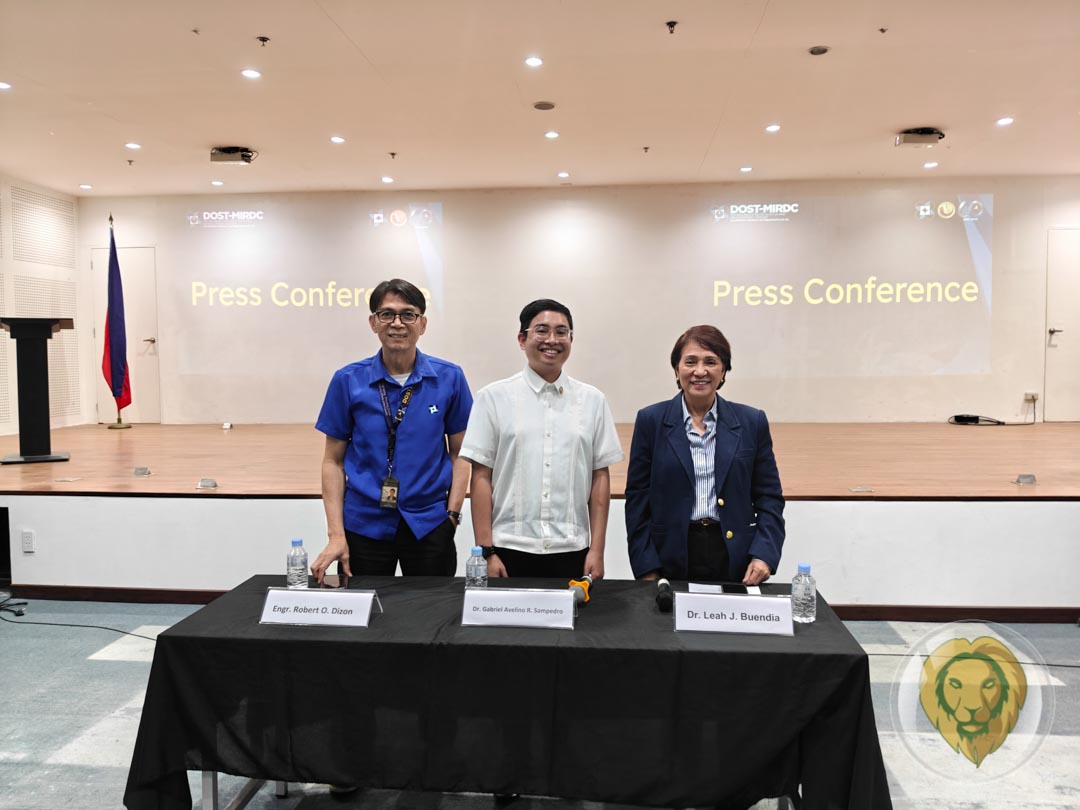
The event also served as a reminder of the broader impact of the DOST Balik Scientist Program, a government initiative that encourages Filipino experts based overseas to contribute their knowledge and global experience to national development. Through research, mentoring, technology transfer, and institutional partnerships, the program continues to strengthen the country’s science, technology, and innovation ecosystem.
As the afternoon concluded, the atmosphere was one of optimism rather than farewell. While Dr. Gabriel Sampedro’s six-month assignment officially came to an end, the collaborations, research directions, and partnerships established during his stay are expected to continue contributing to the country’s long-term goals of digital transformation, Industry 4.0 readiness, and globally connected innovation.
The exit presentation became more than a summary of completed work—it was a celebration of what can be achieved when expertise gained abroad is brought home and transformed into opportunities that benefit Filipino researchers, industries, and future generations. (with reports from Lau Balocos)
