
Science met sustainability at SM North EDSA as the Department of Science and Technology–Philippine Textile Research Institute (DOST-PTRI) unveiled ONWARDS, a public showcase that introduced visitors to the next generation of Philippine-made textile innovations. Bringing together researchers, entrepreneurs, students, industry partners, and consumers, the event transformed the mall into a venue where advanced materials and homegrown technologies took center stage.
From the moment guests entered the exhibition, it was clear that this was unlike a traditional textile display. Instead of rows of woven fabrics, visitors encountered interactive installations demonstrating how nonwoven materials are reshaping industries—from healthcare and fashion to furniture manufacturing and environmental sustainability. The exhibits encouraged attendees to touch the materials, ask questions, and discover how science is driving practical solutions for everyday life.
One of the busiest sections of the showcase featured a collection of products made from nonwoven textiles, allowing visitors to see how a single technology can be adapted into a wide range of applications. Medical-grade materials designed for protective equipment were displayed alongside contemporary garments, while household and furniture components illustrated the durability and versatility of these innovative fabrics. The exhibits challenged the notion that textiles are limited to clothing, revealing their growing role in modern manufacturing and product design.
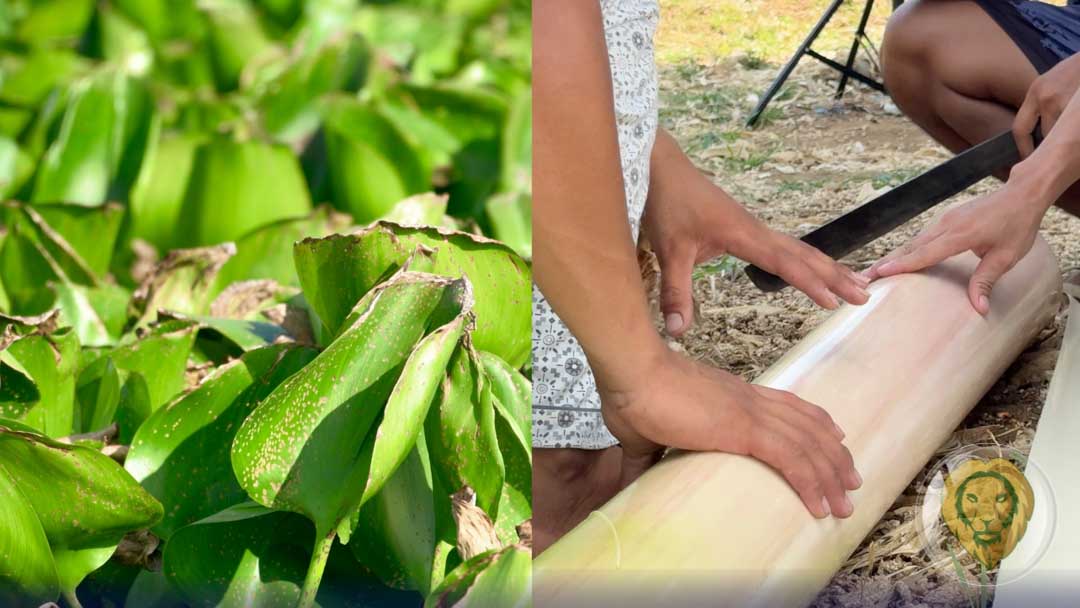
Researchers and DOST-PTRI specialists engaged with attendees throughout the day, explaining the science behind nonwoven technology and its potential to strengthen the country’s manufacturing capabilities. Rather than relying heavily on imported raw materials, they shared how the Philippines can maximize its own natural resources by developing textiles from locally available plant fibers. Their discussions highlighted the importance of building a more resilient industry—one that creates opportunities for Filipino farmers, manufacturers, scientists, and small businesses while supporting a more sustainable production cycle.
A defining moment of the event came with the announcement of the Nonwoven Textile Innovation Center, which is set to open in Taguig City in January 2027. The upcoming facility represents a major investment in the country’s textile research and development sector, providing a dedicated space where new materials can be designed, tested, and produced in collaboration with industry and academic partners. For many attendees, the announcement underscored the government’s commitment to advancing innovation and positioning the Philippines as a competitive player in the global textile landscape.
@lionheartv Future-forward and eco-friendly! Yesterday, July 01, 2026 at SM North EDSA, DOST-PTRI launched ONWARD, showcasing the incredible potential of homegrown Philippine Nonwoven Textile Innovation. From local natural fibers to global-ready materials! #DOSTPTRI #SustainableTextiles #LionHearTV #RawrNation ♬ original sound – LIONHEARTV
Beyond the technology on display, ONWARDS also highlighted a broader vision of self-reliance. Through engaging presentations and interactive demonstrations, visitors gained a deeper understanding of how scientific research can translate into products that improve daily life while reducing dependence on imported materials. The event emphasized that innovation is not solely about creating new technologies—it is about empowering local industries and ensuring that Filipino expertise remains at the forefront of national development.
As visitors explored the exhibition, conversations naturally shifted from curiosity to possibility. Students imagined careers in textile science, entrepreneurs discussed potential applications for the new materials, and consumers discovered that many of the products they use every day could one day be produced using Philippine-developed technology.
By the end of the showcase, ONWARDS had accomplished more than introducing a new generation of textile materials. It demonstrated how research, sustainability, and local ingenuity can work together to create solutions with lasting impact. (with reports from Aldrine Benitez)