
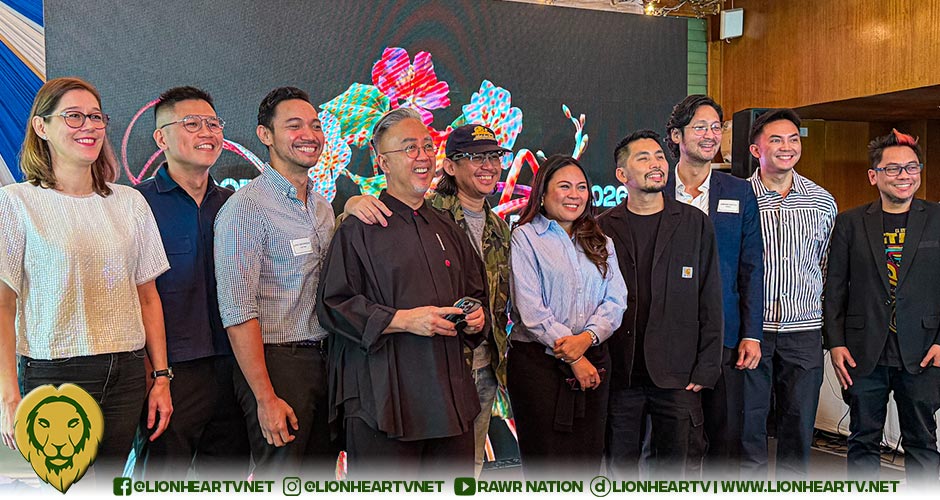
The historic Palacio de Memoria became a meeting point for the Philippine digital marketing community on August 10 as the Digital Marketing Association of the Philippines (DMAP) officially unveiled plans for DigiCon 2026.
The media launch brought together marketing professionals, creatives, business leaders, brands, agencies, creators, and innovators for a closer look at what awaits at this year’s conference. More than simply announcing another industry gathering, the event highlighted how quickly the digital landscape is changing—and why businesses need to keep learning, adapting, and creating.
A major part of the launch was the introduction of DigiCon 2026’s three conference tracks: Innovation, Impact, and Immersive.
The themes provide the foundation for conversations surrounding the future of digital marketing, bringing together ideas that explore new approaches, meaningful business and audience impact, and more engaging digital experiences.
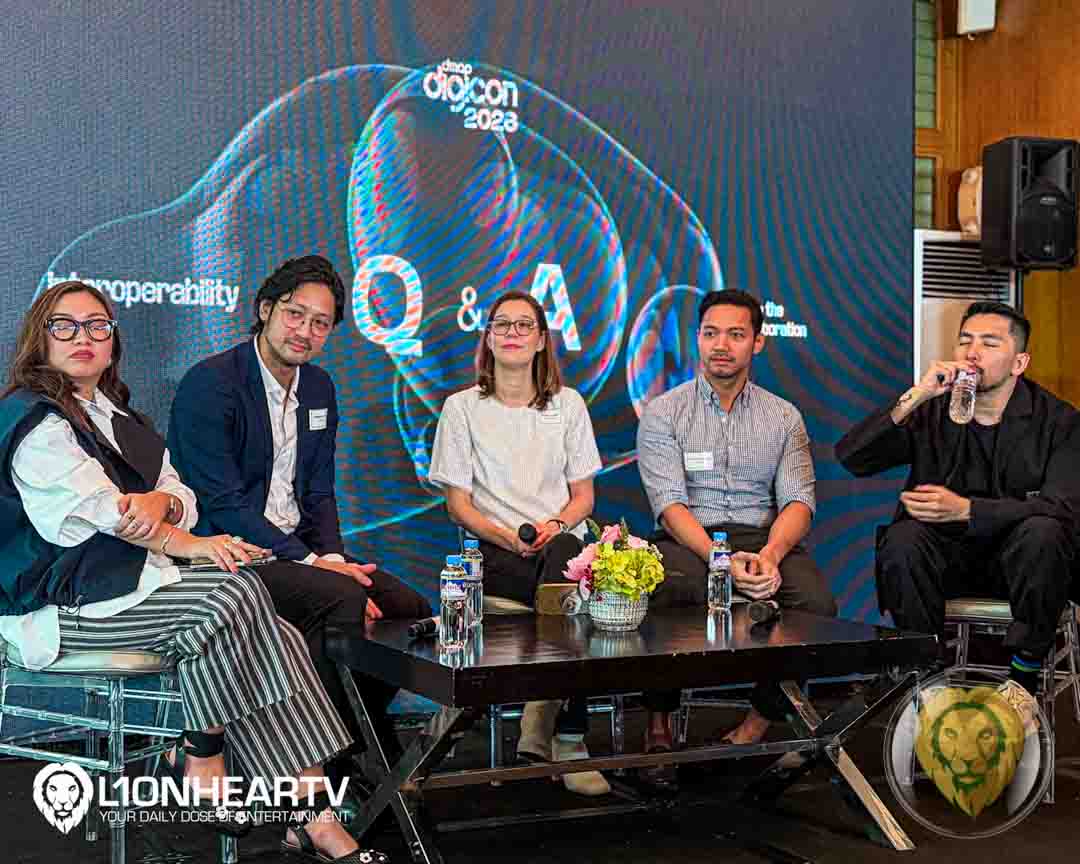
For attendees, these tracks offer an opportunity to look at digital marketing from different angles instead of treating it as a single discipline. The discussions are expected to connect creativity and technology with the realities faced by businesses and brands today.
The upcoming conference will also feature international keynote speakers, Professor Dr. Christian Busch and Judy John.
Their participation adds a global dimension to DigiCon 2026, allowing Philippine marketers and business leaders to hear perspectives from outside the local market.
At a time when digital trends can quickly cross borders, these international insights can also provide Filipino professionals with a broader view of how marketing, technology, creativity, and consumer engagement are evolving around the world.
Perhaps one of the most notable announcements was DigiConX, a nationwide series of satellite events that will bring digital marketing conversations to Luzon, Visayas, and Mindanao.
The initiative expands the reach of DigiCon beyond its main conference, creating more opportunities for professionals, creators, brands, and communities in different parts of the country to participate.
It also gives the digital marketing community a chance to exchange experiences from different markets and regions—recognizing that innovation in the Philippines is not limited to Metro Manila.
The launch also introduced the new DigiCon website, giving the conference its own digital hub where audiences can explore information about the event and its upcoming activities.
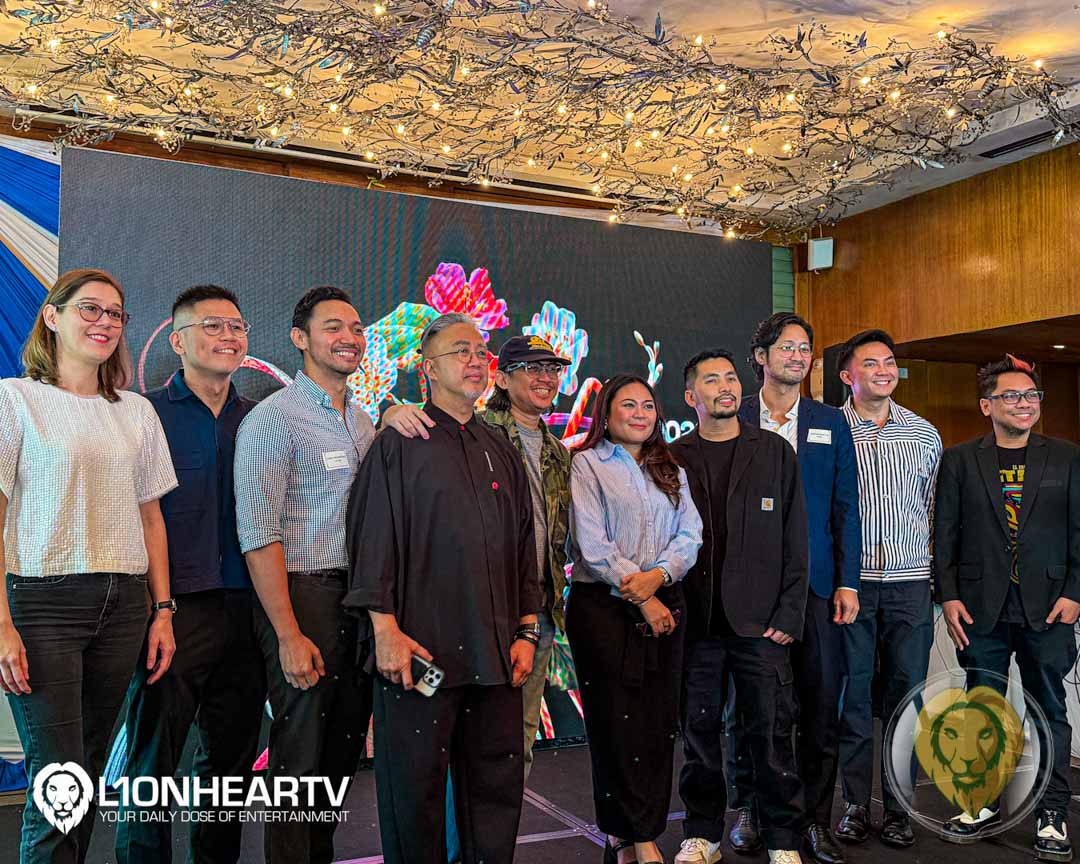
Partnership opportunities were likewise opened to organizations and brands interested in becoming part of DigiCon 2026.
With the website and DigiConX complementing the main conference, the event is being positioned not simply as a two-day gathering, but as a broader platform for connection and industry engagement.
What made the media launch particularly interesting was the mix of people in the room. Marketing executives shared the space with creatives, agencies, business leaders, creators, and technology-focused professionals—reflecting how interconnected the digital industry has become.
A campaign today can require far more than a strong advertisement. It can involve data, artificial intelligence, content, design, technology, community building, and a deep understanding of changing consumer behavior.
That reality gives DigiCon 2026 its relevance.
The conference creates a space where different disciplines can come together to examine what is working, what is changing, and what businesses need to prepare for next.
Following the Palacio de Memoria launch, the spotlight now shifts to the main DigiCon 2026 conference on October 15–16, 2026.
With its three tracks, international keynote speakers, nationwide DigiConX series, new website, and opportunities for industry partnerships, the conference is shaping up as a major gathering for professionals navigating the country’s rapidly evolving digital landscape.

But beyond the speakers and program announcements, DigiCon 2026 ultimately reflects a bigger reality: digital marketing is no longer confined to marketing departments.
It is now closely connected to how businesses innovate, communicate, build communities, and create experiences. (with reports from Carlos Aragon)