

For a few hours, visitors had the chance to look at the Philippines from a different perspective—not from the ground, but through the lens of space science and technology.
The opening of Philippine Space Week 2026 on August 9, 2026 brought together science enthusiasts, students, families, educators, government representatives, and industry participants for a closer look at the country’s growing connection to the space sector.
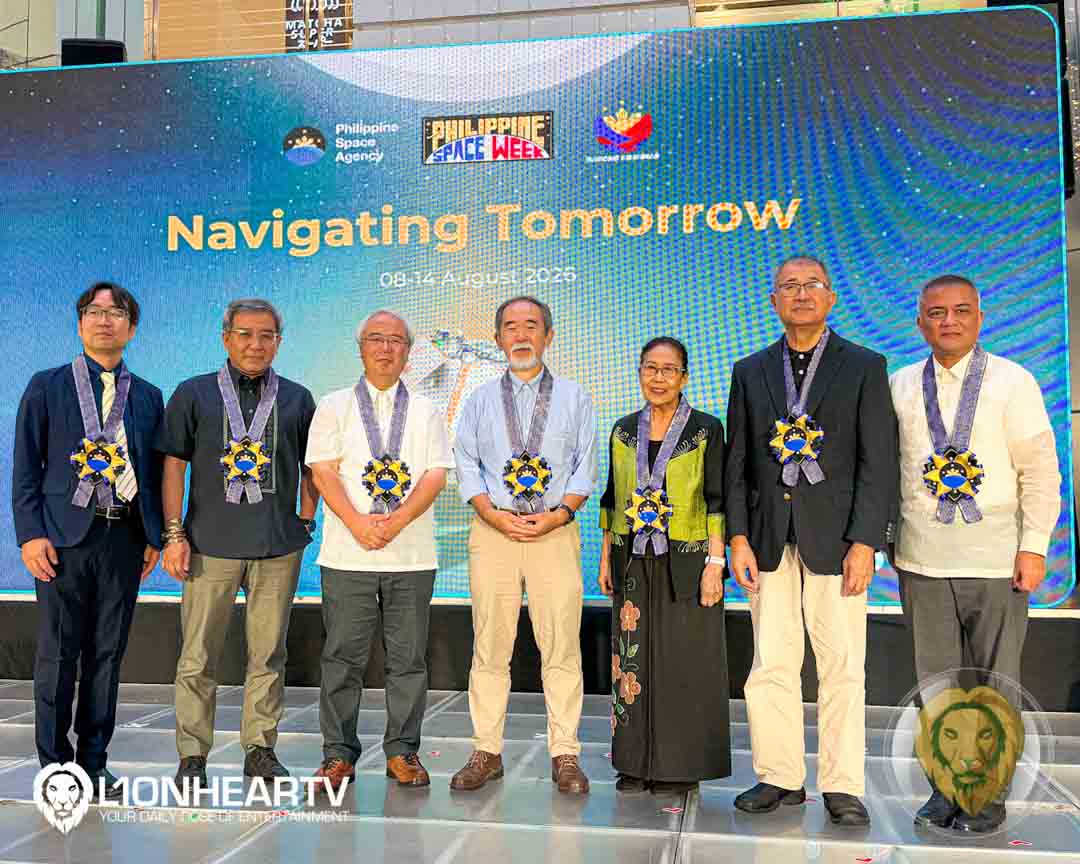
What made the event particularly engaging was that it did not make space feel impossibly far away. Instead, visitors encountered interactive exhibits, learning stations, demonstrations, and displays that showed how space-related technology is already influencing life here on Earth.
Walking through the event was an opportunity to move from one discovery to another.
The exhibits presented by the Philippine Space Agency (PhilSA), government agencies, schools, industry partners, and other organizations gave visitors different perspectives on space science and technology.
Some displays focused on learning and discovery, while others demonstrated practical applications. The interactive elements made the experience particularly accessible, allowing visitors to engage with concepts rather than simply reading about them.
For students, this offered a glimpse into a field that can sometimes feel distant or highly technical.
For families and casual visitors, meanwhile, it was an opportunity to discover just how closely space technology is connected to everyday life.
One of the biggest takeaways from the celebration was that space exploration is not only about astronauts, rockets, or distant planets.
The event highlighted how space science and technology contribute to areas that directly affect Filipino communities.

Weather monitoring, for example, relies on information and technologies connected to space. Communications, disaster preparedness, and agriculture can also benefit from space-based systems and data.
Seeing these applications presented together changed the way the subject could be viewed.
Space suddenly felt less like something that exists somewhere beyond Earth and more like a technology ecosystem that supports activities happening around us every day.
The event also provided a closer look at the country’s own efforts in the space sector.
Through the participating organizations and their displays, visitors were introduced to Philippine programs and missions while gaining a better understanding of how different sectors contribute to the country’s space ambitions.
The presence of government agencies, academic institutions, and industry partners reflected the collaborative nature of the country’s growing space ecosystem.
It also showed that the future of Philippine space science will require more than one group working alone. It will depend on researchers, educators, engineers, technology developers, policymakers, and young Filipinos who are willing to explore the possibilities.

Perhaps one of the most valuable aspects of Philippine Space Week 2026 was its ability to turn science into an experience.
Instead of limiting learning to classrooms and textbooks, the event allowed young visitors to see technology and scientific concepts presented in a more interactive environment.
That kind of exposure can make a difference.
A student who arrives simply curious about space may leave thinking about science, engineering, technology, or even a future career connected to the country’s space program.
The exhibits become more than displays—they become starting points for questions.
As visitors explored the different stations, one idea became increasingly clear: the Philippines is not simply observing the global conversation on space.
It is building its own place within it.
Philippine Space Week 2026 offered a public-facing glimpse into that journey, bringing together education, technology, innovation, and real-world applications in one celebration.
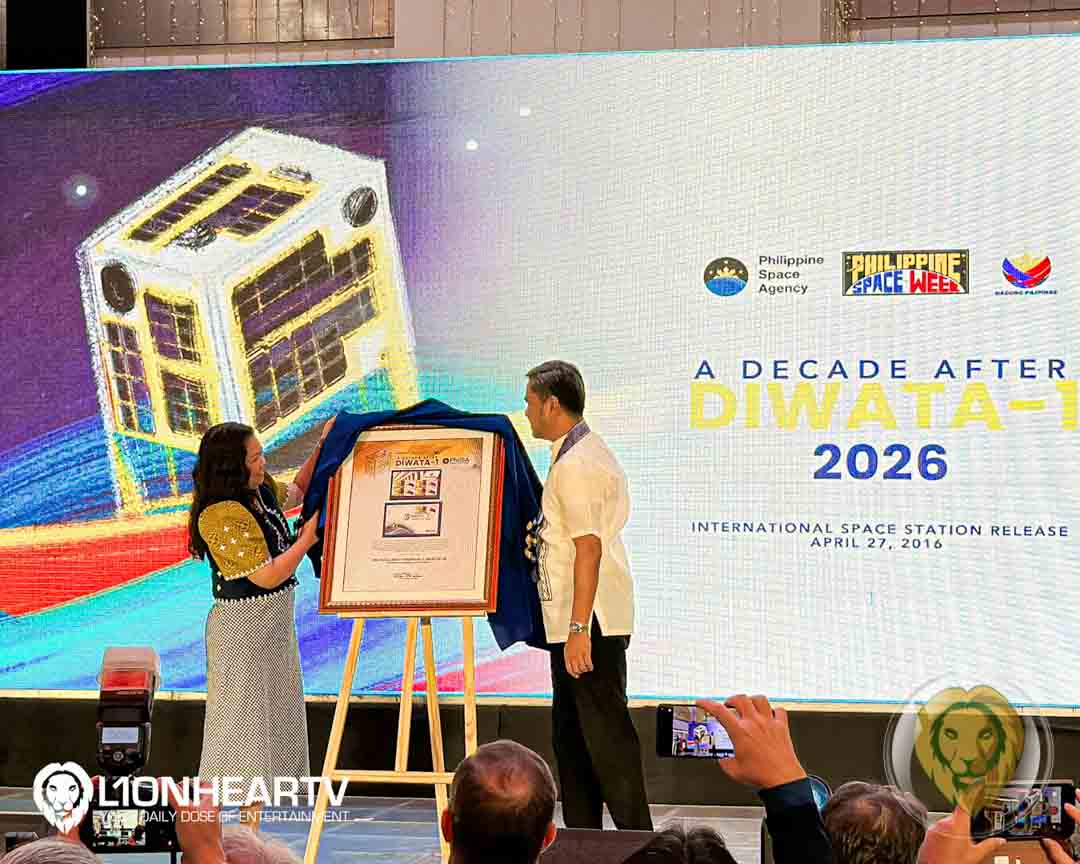
The event also served as a reminder that the value of space science can be measured not only by what happens beyond our planet but also by what it makes possible here at home.
From helping communities prepare for disasters to supporting agriculture, communication, and weather monitoring, space technology can have very Earth-bound benefits.
And that may be the most exciting discovery of all.
Philippine Space Week 2026 did more than invite Filipinos to look toward the stars. It encouraged them to understand the technology behind them, recognize its impact on everyday life, and imagine what role the Philippines—and the next generation of Filipino innovators—could play in the future of space exploration. (with reports from Carlos Aragon)