
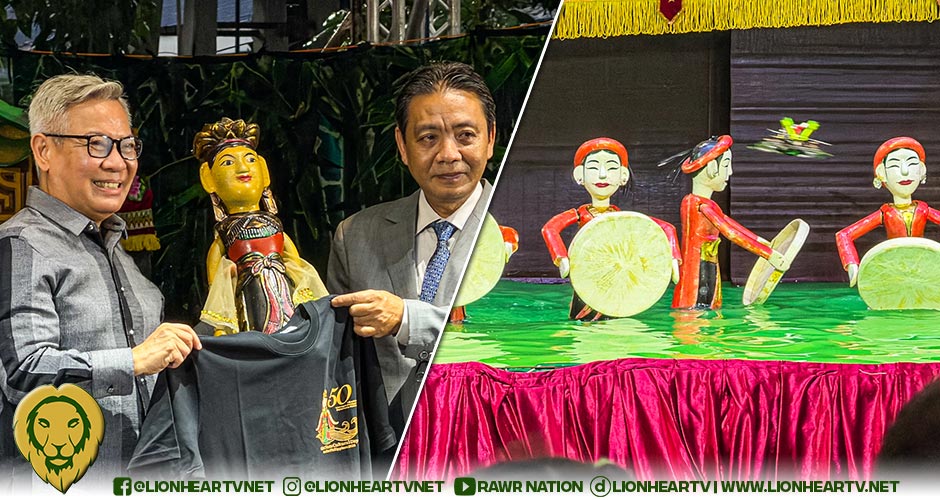

Stepping into the Centro de Turismo in Intramuros felt like entering a small window into Vietnam as the Viet Nam Cultural Days: Puppet Workshop & ASEAN Lectures brought Filipino participants closer to the country’s traditional arts and heritage.
The event offered a refreshing break from the usual cultural presentation. Instead of simply sitting back and watching, participants were encouraged to engage with the traditions being introduced—particularly Vietnamese puppetry and traditional musical instruments.
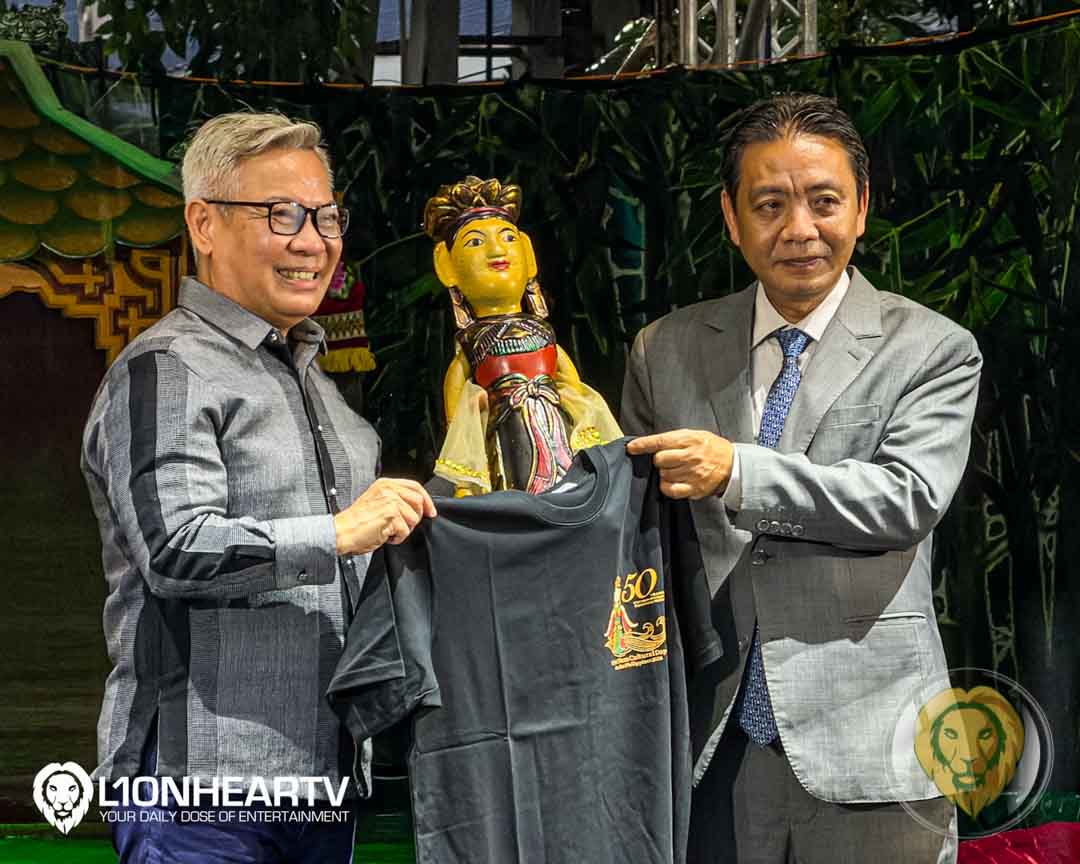
The workshop became an interactive introduction to an art form that carries generations of Vietnamese storytelling.
One of the most engaging parts of the event was the puppet workshop led by Vietnamese performers.
Participants were introduced to traditional Vietnamese puppetry through demonstrations that showed how the puppets are manipulated and brought to life. Seeing the performers work up close gave attendees a better appreciation of the coordination and skill required behind what can appear to be a simple puppet performance.
The colorful puppets immediately caught attention, but it was the movement that made the experience fascinating.
Every gesture and motion contributed to the storytelling, giving participants a glimpse into how Vietnamese performers use puppetry as a form of cultural expression.
The experience became even more memorable as Filipino participants were given the chance to learn and engage with the art themselves.
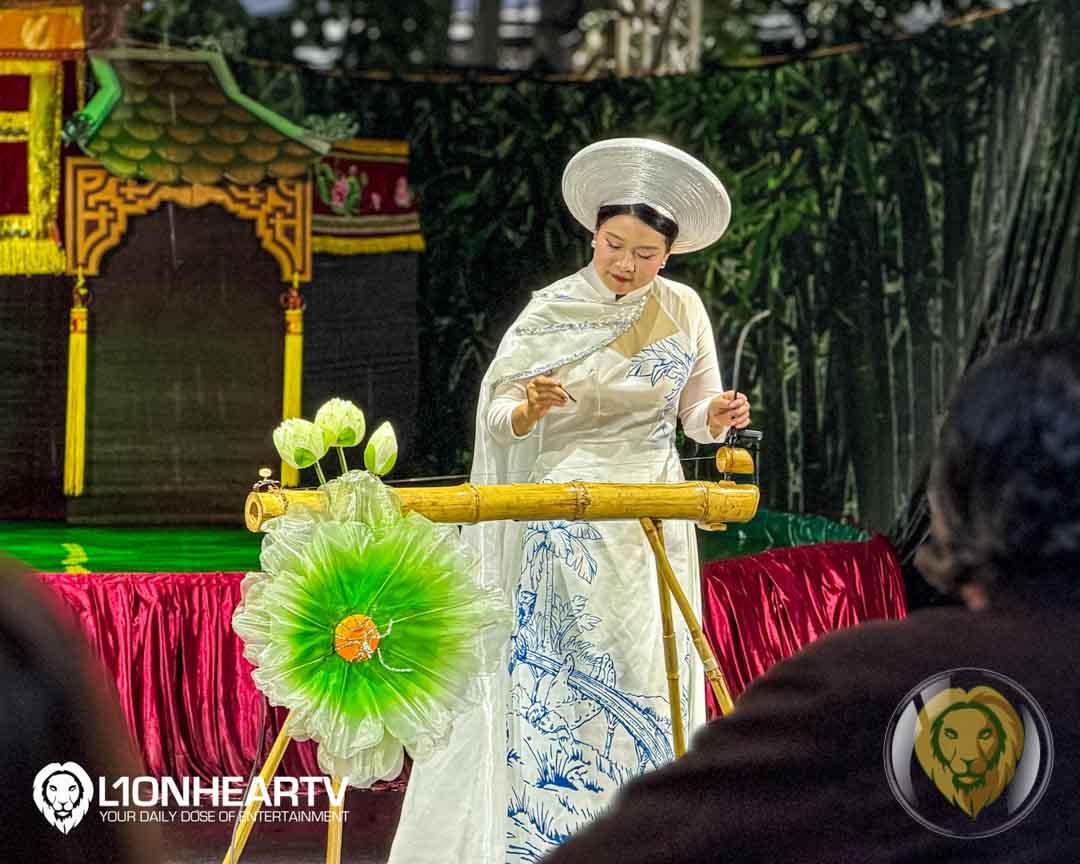
Adding to the workshop were traditional Vietnamese instruments introduced by the performers.
The instruments provided more than background music. Their distinctive sounds helped demonstrate how music complements traditional performances and contributes to the atmosphere of Vietnamese storytelling.
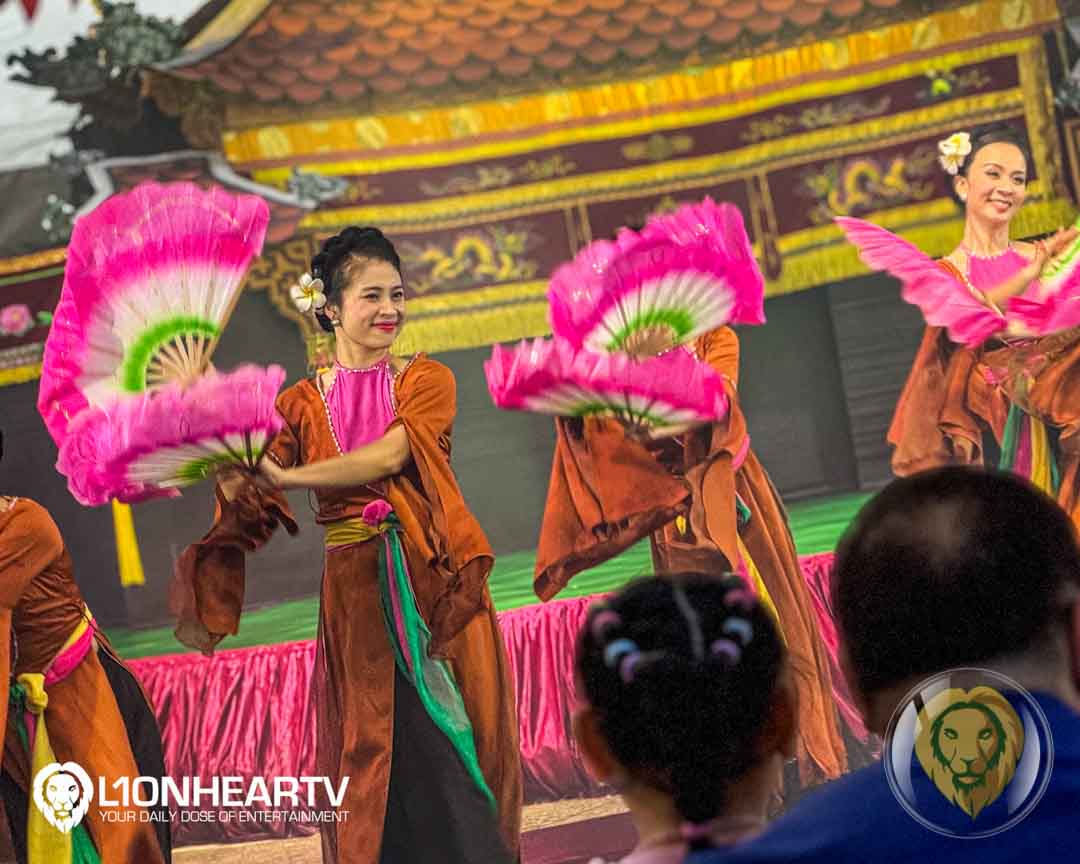
For participants, hearing the instruments firsthand made the cultural experience feel more immediate.
Rather than simply learning about Vietnamese music from a presentation, they were able to see the instruments, hear their sounds, and understand how they fit into the country’s traditional performing arts.
The ASEAN lectures provided another important layer to the event.
While the workshop allowed participants to experience Vietnamese culture through performance, the lectures helped explain the history and traditions behind what they were seeing.
The discussions introduced attendees to Vietnam’s cultural heritage and explored the origins of puppetry, giving participants a better understanding of how the art form developed and why it remains an important part of Vietnamese tradition.
This combination of learning and participation made the program more meaningful.
The puppetry was no longer simply something entertaining to watch—it became a cultural tradition with a story of its own.
What stood out throughout the event was the interaction between the Vietnamese performers and Filipino participants.
There was a natural sense of curiosity in the room as attendees listened, observed demonstrations, asked questions, and explored an art form that may have been unfamiliar to many of them.
It was this exchange that gave the program its character.
The event wasn’t just about presenting Vietnamese culture to a Filipino audience. It created an opportunity for both sides to connect through art, music, history, and shared curiosity.
And holding the program in Intramuros made the experience even more interesting—a Vietnamese cultural tradition being introduced in one of Manila’s most historic spaces.
The Viet Nam Cultural Days: Puppet Workshop & ASEAN Lectures ultimately showed how cultural education can become more memorable when people are invited to participate.
Through the puppets, traditional instruments, and ASEAN discussions, participants were able to experience different aspects of Vietnamese heritage in one setting.
More importantly, the workshop demonstrated that traditions remain relevant when they continue to be shared with new audiences.
For the Filipino participants who attended, the event offered more than an afternoon of performances and lectures. It provided a closer look at Vietnam’s history and creativity—and a chance to experience a tradition that has been passed down through generations. (with reports from Carlos Aragon)
