
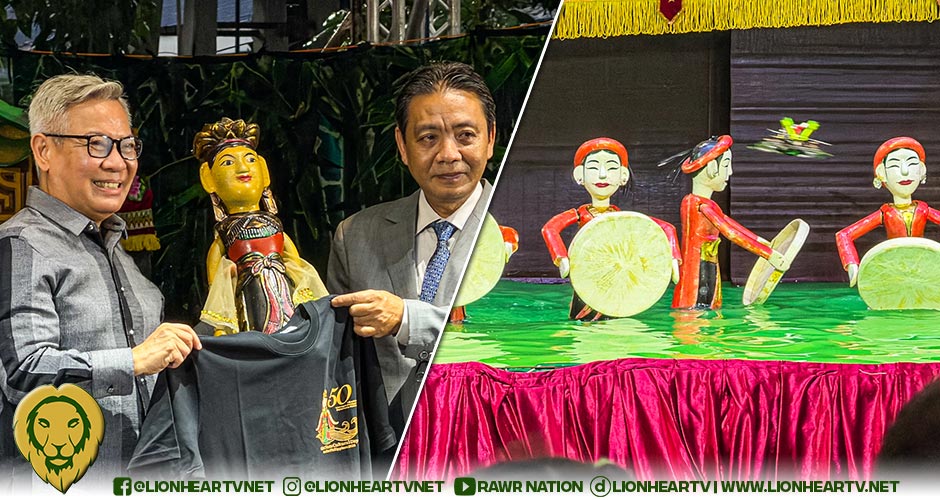

The rain may have been pouring over Intramuros, but the crowd at Fort Santiago had every reason to stay.
On August 7, Filipino audiences gathered to witness the Vietnamese Water Puppet Show, a traditional performance that transformed a pool of water into an unexpected stage for colorful characters, movement, music, and storytelling.
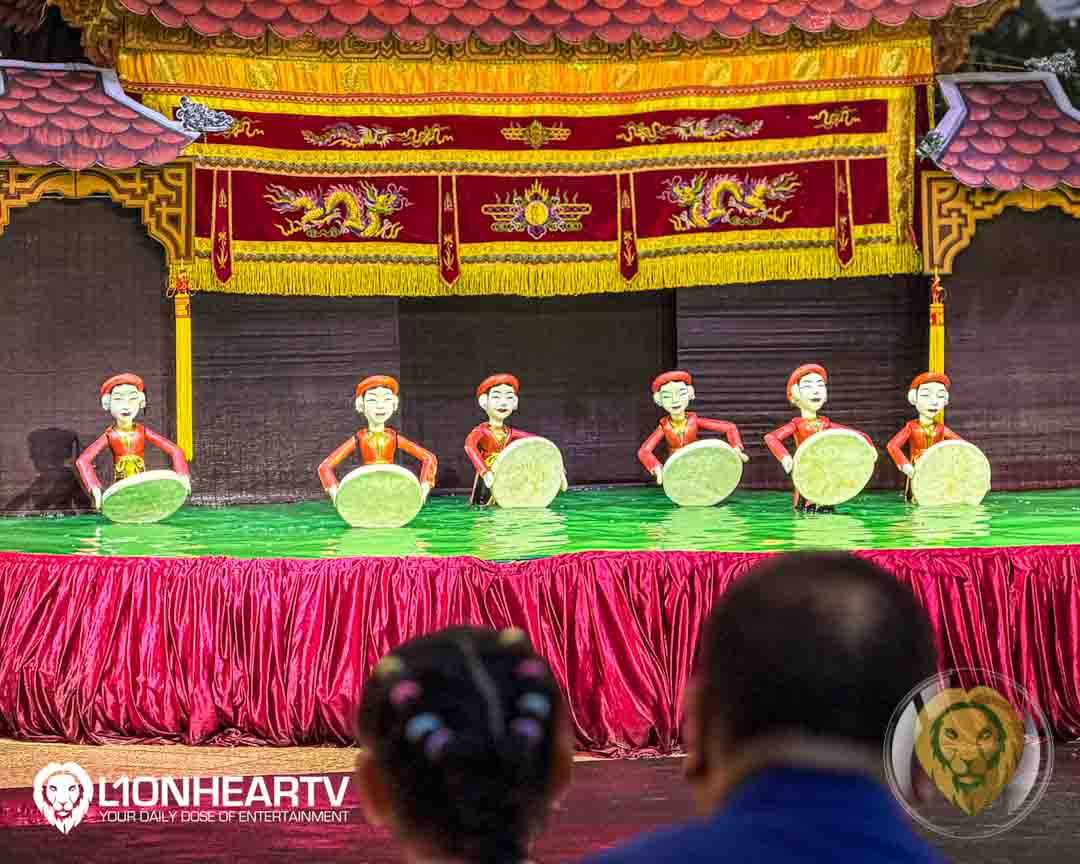
Even with the weather refusing to cooperate, the show continued—and that made the experience even more memorable.
From the moment the first puppets appeared on the water, attention shifted away from the rain and toward the performance unfolding in front of the audience. The puppets seemed to glide, dance, and interact across the water, creating an unusual theatrical experience that many spectators were seeing for the first time.
What immediately set the performance apart was its unique stage.
There was no conventional theater setup where puppets simply appeared above a platform. Instead, the water became the center of the show, with the colorful puppets moving across its surface as though they were characters living inside their own miniature world.
Each movement drew the audience’s attention, particularly when several puppets appeared together and interacted on the water. The combination of movement and visual detail made even simple actions feel surprisingly dramatic.
For Filipino spectators unfamiliar with Vietnamese water puppetry, seeing the traditional art form performed in person offered a completely different appreciation of what the craft requires.
While the puppets took center stage, much of the skill remained hidden from view.
Behind the performance was the careful coordination of Vietnamese puppeteers who controlled the movements of the characters from behind the water stage. Their timing and precision allowed the puppets to appear almost independent, giving the audience the illusion that the characters were moving on their own.
It was one of those performances where the more you watched, the more you appreciated the work happening behind the scenes.

What looked playful and effortless from the audience’s perspective was the result of practiced movements and close coordination among the performers.
Perhaps the most touching part of the afternoon was the response from the audience.
The rain could have easily cleared the area, but spectators remained engaged and continued supporting the performers. Rather than allowing the weather to overshadow the event, the crowd embraced the unusual situation and focused on enjoying the cultural experience.
Something was fitting about it: a performance centered on water continuing while rain fell around the historic walls of Fort Santiago.
The weather became part of the memory rather than a reason to leave.

The choice of Fort Santiago as the venue also provided an interesting cultural setting.
Surrounded by one of Manila’s most historic landmarks, Filipino audiences were introduced to a traditional Vietnamese art form with roots in the country’s cultural heritage.
It created a quiet exchange between two cultures—Vietnam sharing its traditional performing arts with Filipino audiences while the historic setting of Intramuros provided the backdrop.
The experience went beyond simply watching a show. It offered an opportunity to discover a form of storytelling that is distinctly Vietnamese and to see how traditional performance can remain engaging for audiences today.
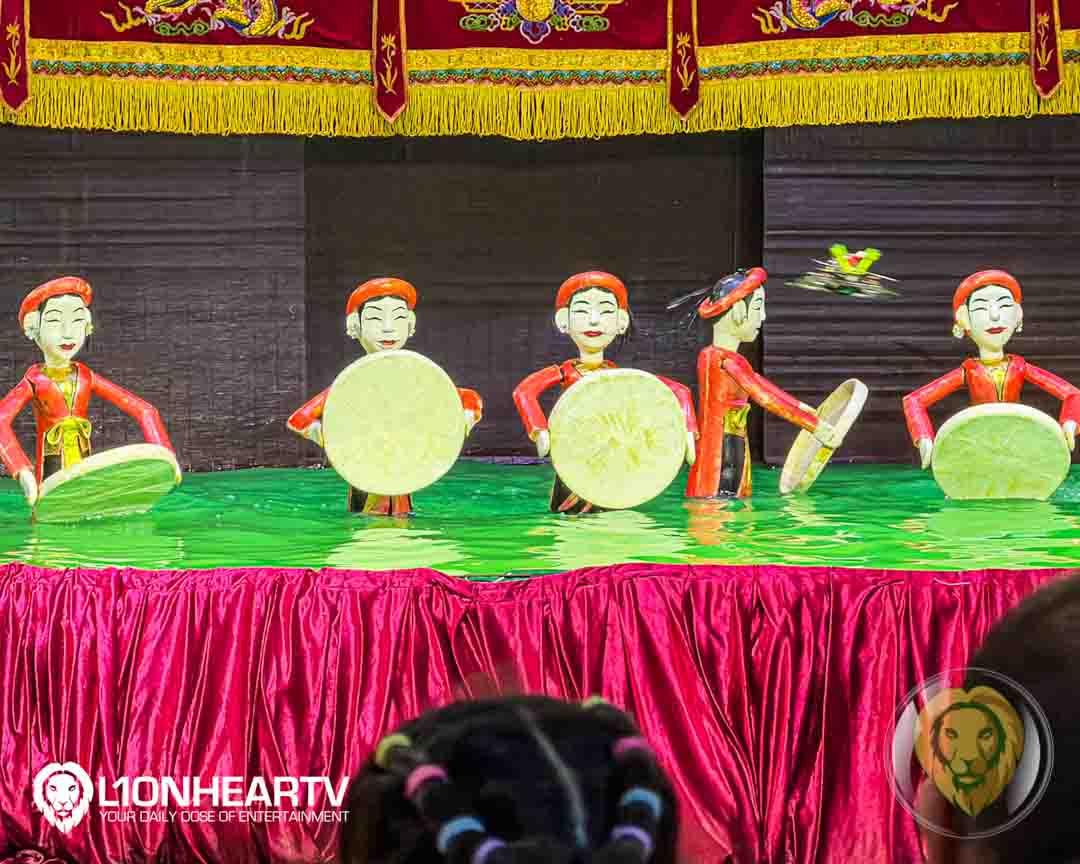
By the time the show came to an end, the rain was no longer the biggest thing people remembered.
What stayed was the image of colorful puppets moving across the water, the dedication of the performers, and the enthusiasm of an audience willing to stay and experience something different.
The Vietnamese Water Puppet Show at Fort Santiago demonstrated the enduring appeal of traditional art when it is brought directly to new audiences.
For Filipino viewers, it was an afternoon of discovery—one where history, culture, and performance came together in an unexpected setting.
And despite the rain, the show proved that sometimes the most memorable cultural experiences are the ones that continue even when the weather says otherwise. (with reports from Carlos Aragon)
