

The relationship between technology and personal style took center stage as ASUS Philippines introduced the ASUS Zenbook 14 and ASUS ZenMouse MD202 at Incanta Cave Bar in Quezon City. The launch brought together two products designed for modern computing, with a shared emphasis on premium materials and practical features.
Leading the presentation was the Zenbook 14, an ultraportable laptop distinguished by its Ceraluminum finish and two new color options, Komodo Coral Pink and Arctic Blue. The ZenMouse MD202, meanwhile, extended the same material concept to a wireless accessory, combining a premium design with a Track-on-Glass sensor and rechargeable battery.
Rather than focusing only on the arrival of new devices, the event highlighted the design philosophy behind them. ASUS Philippines placed particular attention on Ceraluminum, a hybrid material combining qualities of ceramic and aluminum that the company uses as part of its effort to develop thin, lightweight, and durable products.

Rachelle Lozares, Consumer Notebook Product Marketing Lead at ASUS Philippines, and Jash Bacani, Consumer Workspace Gears Product Marketer at ASUS Philippines, discussed the thinking behind the two products and the features intended to distinguish them within the ASUS ecosystem.
Their presentations centered on a shared idea: innovation matters most when it contributes to a better experience for the people using the technology.
At the center of the launch was Ceraluminum, which ASUS identifies as a key element of its Zenbook design philosophy.
The hybrid material combines characteristics associated with ceramic and aluminum, supporting the company’s approach to creating devices that balance appearance, portability, and durability. Its role in the Zenbook 14 goes beyond providing a distinctive finish, forming part of the broader design concept behind the laptop.
During the event, Lozares described the significance of the material and its relationship with the brand’s philosophy.
“Ceraluminum exists not simply as a material innovation but as the foundation of the Zenbook Philosophy. Crafted Without Compromise.”
The statement placed the material at the heart of the Zenbook identity. Instead of presenting Ceraluminum as an isolated technical feature, ASUS positioned it as part of a larger approach to product development—one that considers how the choice of materials contributes to the appearance and everyday experience of a device.
Lozares further explained the company’s perspective on innovation.
“For ASUS, innovation has never been about innovation for its own sake. It’s about creating better experiences for users. And when you innovate the material, you improve the experience.”
Her remarks underscored the connection ASUS seeks to establish between product engineering and usability. For a laptop designed around portability, the materials used in its construction contribute to the overall design, alongside the practical requirements of carrying and using a computer throughout the day.
This approach formed the foundation of the Zenbook 14 presentation, with the device serving as an example of how ASUS applies its material innovation to an everyday computing product.

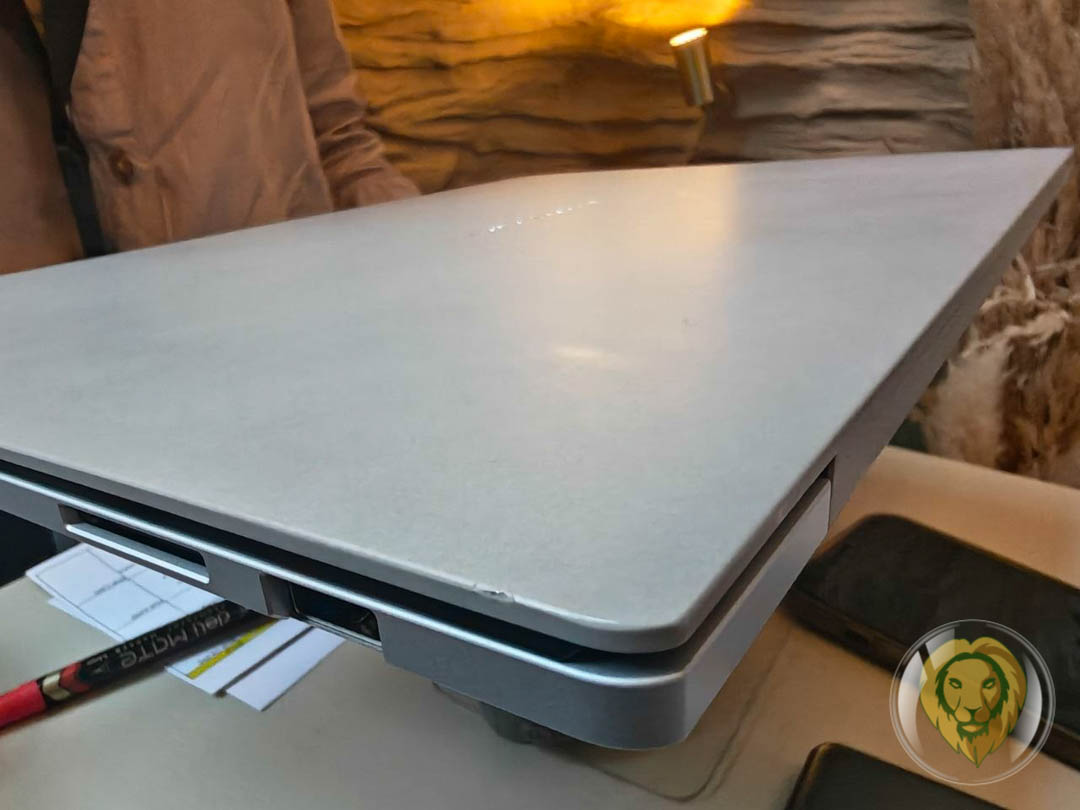
The ASUS Zenbook 14 was a central highlight of the launch, bringing together a premium finish, an ultraportable design, and two new color choices.
The introduction of Komodo Coral Pink and Arctic Blue gives the laptop a more distinctive visual identity. The two shades offer alternatives for users who want a device that reflects their individual preferences while retaining the design direction associated with the Zenbook series.
Komodo Coral Pink provides a more expressive color option, while Arctic Blue offers a cooler-toned alternative. Both are presented within the same Ceraluminum design approach, linking the color choices with the laptop’s material finish.
The emphasis on these shades reflects how the appearance of personal technology can form part of the overall product experience. Laptops are frequently carried between different environments and used for extended periods, making design and portability important considerations alongside functionality.

For students, professionals, and other users who rely on a laptop for everyday tasks, an ultraportable design can be particularly relevant. The Zenbook 14’s positioning brings together that emphasis on portability with ASUS’ focus on premium construction and durability.
The launch highlighted the device’s finish and color options as key elements of its presentation. However, its design story was not limited to aesthetics. Through Lozares’ discussion of Ceraluminum, ASUS connected the laptop’s appearance with its wider philosophy of creating products that balance form and function.
The result is a product positioned for users who want their computing devices to combine a refined appearance with the practical qualities expected from an everyday laptop.
Lozares’ presentation gave context to ASUS’ emphasis on Ceraluminum, explaining why the company considers material development an important part of its approach to the Zenbook line.

The underlying idea is that innovation should have a practical purpose. While a new material may distinguish a product visually, its significance also lies in how it contributes to the device’s overall construction and intended use.
In the ultraportable laptop category, this balance is especially relevant. A laptop needs to be convenient to carry while remaining suitable for the demands of everyday computing. Its design must also accommodate the expectations of users who value both functionality and a premium finish.
ASUS presented Ceraluminum as part of its response to these considerations, incorporating the material into the Zenbook 14’s design.
The company’s stated philosophy, “Crafted Without Compromise,” reinforces that positioning. It connects the material with a broader ambition to bring together design and usability rather than treating them as competing priorities.
During the launch, the Zenbook 14 served as the primary example of this approach, while the accompanying ZenMouse MD202 demonstrated how the same design direction could extend to another product category.
Alongside the Zenbook 14, ASUS Philippines introduced the ZenMouse MD202, a wireless mouse designed to complement the modern computing workspace.
Although smaller than the laptop, the accessory was presented with its own set of defining features. These include a Ceraluminum design, a Track-on-Glass sensor for precision tracking, and a rechargeable battery intended to support long-lasting use.

Jash Bacani, Consumer Workspace Gears Product Marketer at ASUS Philippines, summarized the mouse’s key qualities during the presentation.
“So why the ZenMouse MD202? Let’s remember it with 3 simple words: PREMIUM Ceraluminum design, PRECISE Track-on-Glass sensor, POWERFUL — Long-lasting rechargeable battery.”
Bacani’s description organized the product’s selling points around three considerations: design, tracking precision, and battery performance.
The Ceraluminum finish gives the ZenMouse MD202 a visual connection to the Zenbook 14, creating a consistent material identity across the two devices. Its Track-on-Glass sensor addresses a practical aspect of mouse use, while the rechargeable battery is intended to reduce reliance on replaceable batteries.
These features position the ZenMouse MD202 as a workspace accessory designed to combine appearance with everyday functionality.
A wireless mouse can be an important part of a laptop setup for users who prefer a dedicated pointing device for navigation, productivity tasks, or other computer-based activities. By introducing the ZenMouse MD202 alongside the Zenbook 14, ASUS presented the accessory within the context of a wider computing experience rather than as a separate product without a connection to the laptop.
The pairing also extends the company’s Ceraluminum concept beyond the main computing device, demonstrating how its design approach can be applied across products that serve different purposes.
The Zenbook 14 and ZenMouse MD202 have different functions, but the shared material design connects them within the ASUS ecosystem.
The laptop serves as the primary device for everyday computing, while the mouse provides an additional tool for navigation and control. Their coordinated design reflects a broader approach to the modern workspace, where accessories can complement the main device in both appearance and functionality.
For users who work or study across different settings, portability and convenience remain important considerations. The Zenbook 14’s ultraportable positioning addresses the need to carry a computer between locations, while the wireless mouse provides an alternative to relying exclusively on a laptop’s built-in touchpad.
The two products also illustrate how design consistency can extend beyond a single device. Ceraluminum serves as the shared visual and material element, linking the laptop’s finish with the mouse’s construction.
ASUS’ presentation emphasized that this common design direction is tied to its wider philosophy of purposeful innovation. The material is part of the products’ identity, while the individual features address different aspects of their intended use.
By introducing both products together, ASUS Philippines highlighted a connected approach to computing that considers not only the central device but also the accessories that can accompany it.
The launch at Incanta Cave Bar brought the Zenbook 14 and ZenMouse MD202 together through a discussion of design, materials, and functionality.
Lozares focused on the role of Ceraluminum in the Zenbook philosophy, emphasizing the relationship between material innovation and the user experience. Bacani, meanwhile, outlined the ZenMouse MD202’s combination of premium design, precision tracking, and rechargeable power.
Their presentations offered complementary perspectives on the two products. The Zenbook 14 demonstrates ASUS’ material-focused design approach in an ultraportable laptop, while the ZenMouse MD202 applies the same concept to a wireless workspace accessory.
The event also underscored the distinction between innovation as a feature and innovation as a means of improving everyday use. ASUS’ messaging placed emphasis on the idea that design choices should contribute to the experience of carrying, handling, and using a product.
For the Zenbook 14, that approach is reflected in its Ceraluminum finish, portability-focused positioning, and Komodo Coral Pink and Arctic Blue color options. For the ZenMouse MD202, it appears in the combination of Ceraluminum construction, Track-on-Glass tracking, and a rechargeable battery.
Together, the devices provide a look at how ASUS is applying a common design philosophy across different categories within its product ecosystem.
The introduction of the ASUS Zenbook 14 and ASUS ZenMouse MD202 at Incanta Cave Bar highlighted the company’s continuing focus on combining premium design with purposeful functionality.
The Zenbook 14 brings Ceraluminum to an ultraportable laptop available in Komodo Coral Pink and Arctic Blue, while the ZenMouse MD202 extends the same material concept to a wireless accessory with precision tracking and rechargeable performance.
Through the presentations of Lozares and Bacani, ASUS Philippines explained how the products fit into a broader approach to innovation that places the user experience at the center of design decisions.

The launch’s focus on Ceraluminum connected the two devices through a shared material identity, while their different features addressed separate needs within everyday computing.
Ultimately, the products represent two complementary additions to the ASUS ecosystem: a laptop designed around portability and premium construction, and a wireless mouse intended to bring precision and convenience to the workspace.
At the heart of the launch was ASUS’ message that technology should balance appearance with purpose. With the Zenbook 14 and ZenMouse MD202, the company brought that philosophy into focus through products designed to combine distinctive materials, considered design, and practical functionality. (with reports from Lau Balocos)