

Improving stroke care in the Philippines requires a coordinated approach that goes beyond emergency treatment, with greater attention to hospital readiness, access to affordable medication, healthcare workforce training, rehabilitation, and the long-term financial burden experienced by patients and their families.
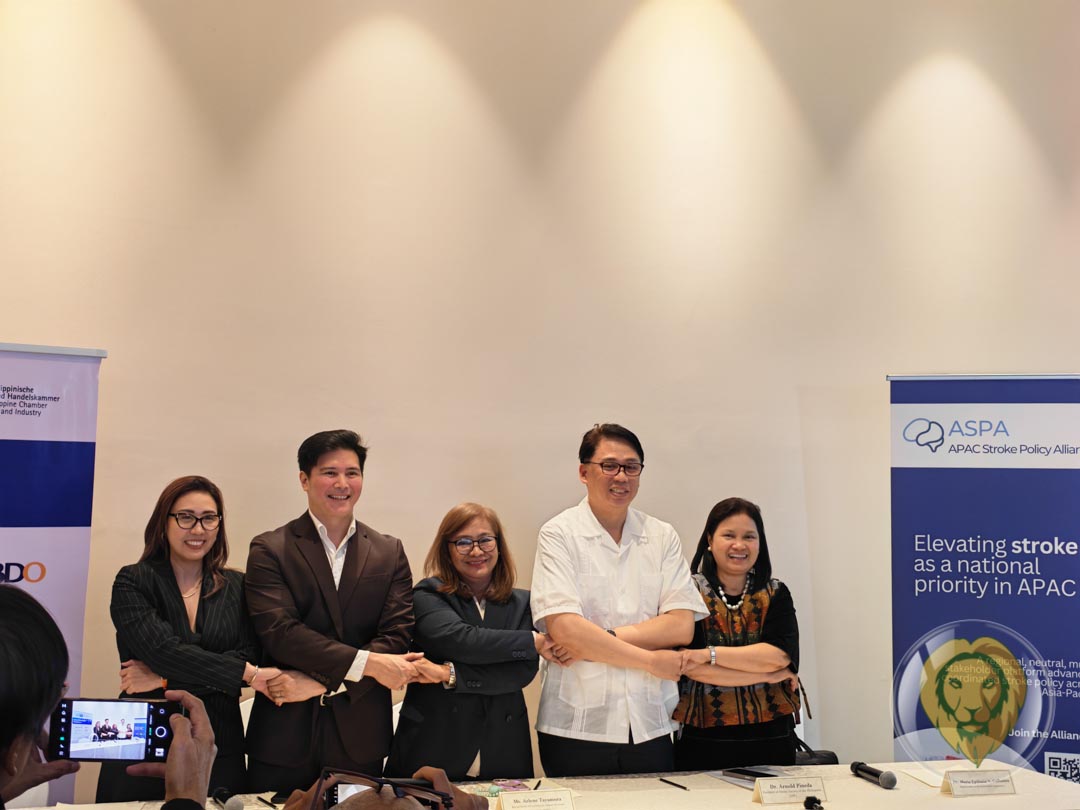
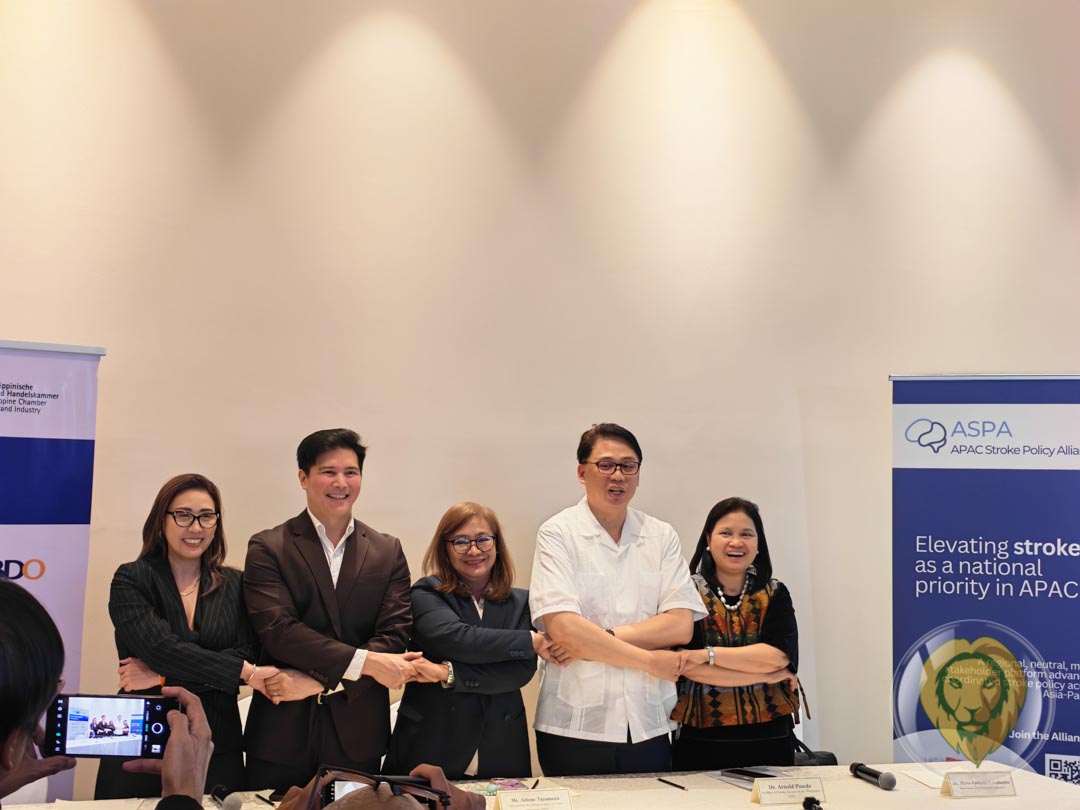
These concerns were discussed during the National Stroke Roundtable Discussion organized by the APAC Stroke Policy Alliance (ASPA), in collaboration with the German-Philippine Chamber of Commerce and Industry (GPCCI), on October 15, 2026, at Makati Diamond Residences in Makati City.
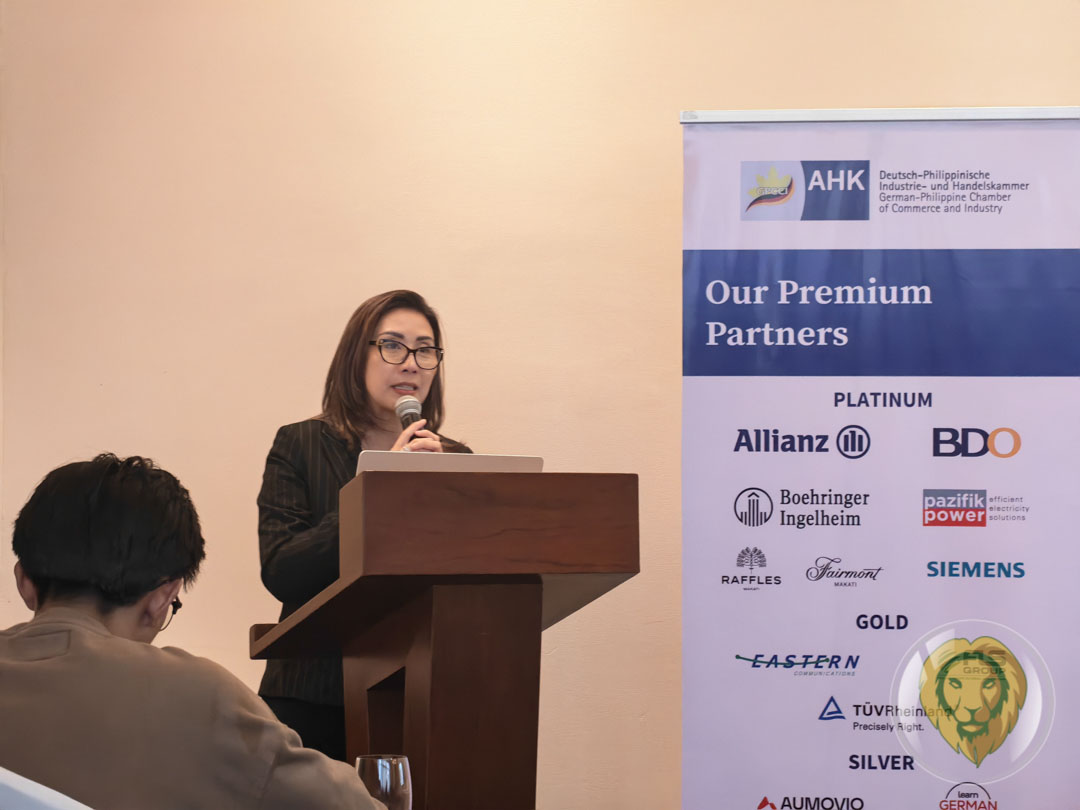
Held ahead of World Stroke Day, the roundtable brought together doctors, healthcare professionals, patient advocates, and other stakeholders to examine gaps in stroke care and discuss ways to improve access to timely, appropriate, and affordable treatment for Filipinos.
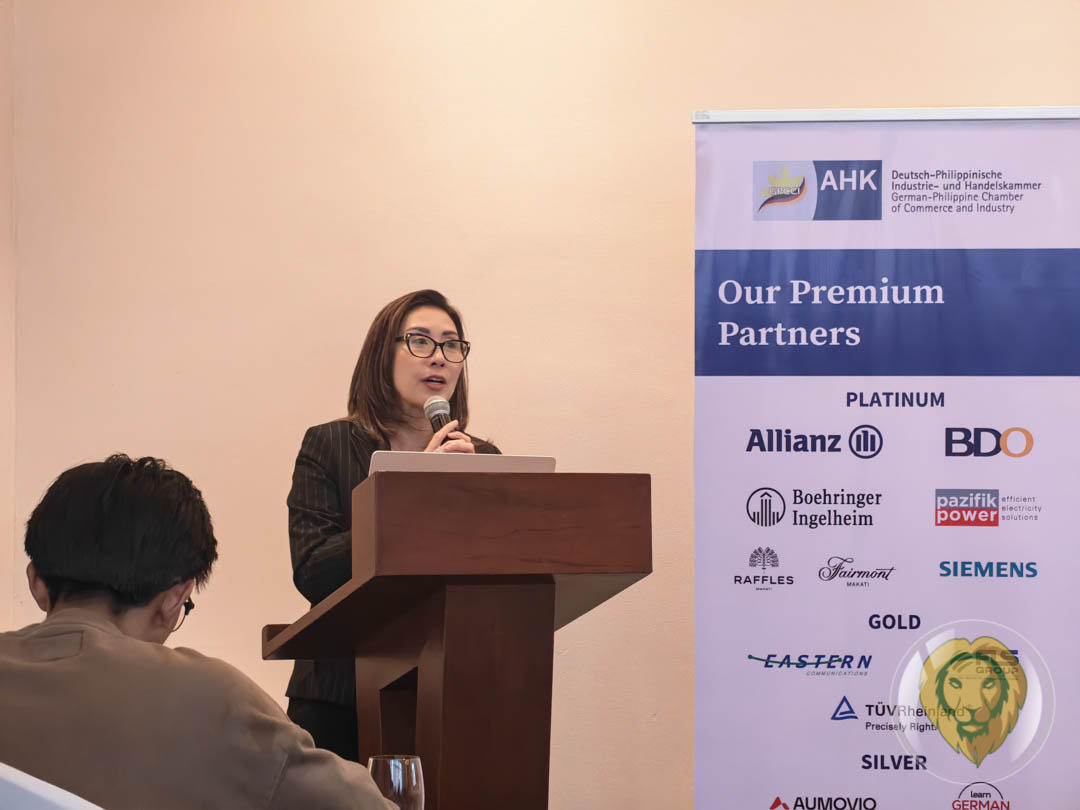
The discussion covered the different stages of the stroke care journey, from prevention and the recognition of early warning signs to emergency response, hospital treatment, rehabilitation, and continued support after discharge. Participants also highlighted the financial consequences of stroke, particularly the expenses that families must manage long after the initial hospitalization.
A key message emerging from the discussion was that improving stroke outcomes involves more than the availability of medical interventions. Patients must also be able to reach the right healthcare facility, receive timely assessment from trained professionals, and access the continuing care required throughout recovery.
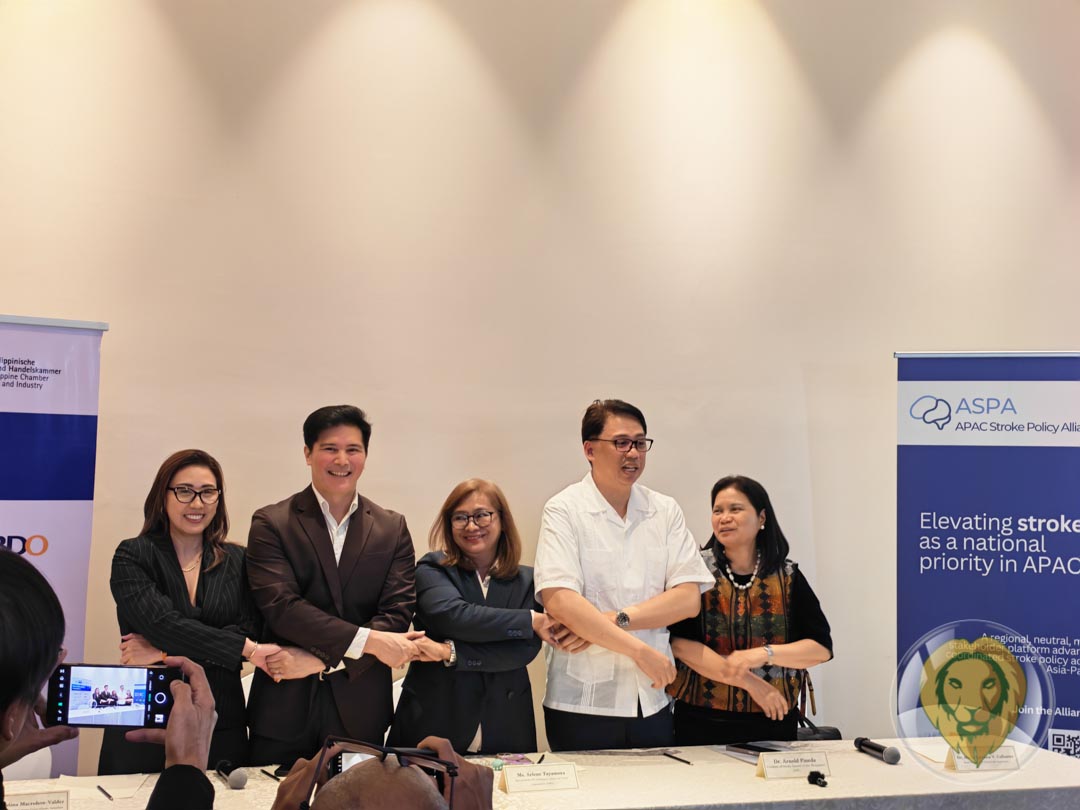
The roundtable emphasized the importance of collaboration among healthcare providers, professional organizations, policymakers, patient advocates, and the public in addressing these interconnected challenges.
One of the central issues raised during the discussion was the long-term financial burden that stroke places on Filipino patients and their families.
Although emergency treatment and hospitalization can account for a significant part of the initial expenses, the financial demands of stroke may continue after a patient returns home. Depending on the individual’s condition, recovery may require rehabilitation, follow-up consultations, maintenance medication, and other forms of continuing medical care.
Some survivors may also need assistance with daily activities or long-term caregiving, adding further responsibilities for family members.
These expenses can place considerable pressure on household budgets, particularly when a patient is unable to return to work or needs an extended period to regain independence. Family members may also have to reduce their working hours or take time away from employment to accompany patients to appointments or provide care at home.
The consequences can affect the entire household. In addition to medical expenses, families may experience lost income and changes in their daily responsibilities as they adjust to the needs of a stroke survivor.
The roundtable highlighted the importance of recognizing these indirect costs when developing policies and support systems for stroke patients. A healthcare approach that concentrates primarily on the initial emergency may not fully address the continuing needs of people who require treatment and assistance after hospitalization.

Affordable medication, accessible rehabilitation, and appropriate follow-up services were among the broader concerns raised in the discussion. These elements are important to consider alongside emergency treatment when examining how patients can receive continued care.
The issue also underscores the need to recognize caregivers as part of the wider stroke care landscape. When relatives take on significant caregiving responsibilities, they may face financial and practical challenges of their own, making sustained support important for both patients and their families.
By highlighting the full cost of stroke, the roundtable called attention to the need for policies that consider the entire recovery journey rather than treating hospital discharge as the end of care.
Access to appropriate emergency care was another major focus of the roundtable, particularly the importance of directing patients to hospitals equipped to manage acute stroke.
Not all hospitals have the same resources, equipment, or trained personnel for stroke emergencies. As a result, reaching the nearest facility does not necessarily mean reaching the most appropriate facility for a patient’s condition.
Dr. Christina Valdez emphasized this concern, saying, “the nearest hospital may not be the correct hospital to go.”
Her statement highlighted a practical challenge for patients and families who may need to make urgent decisions when stroke symptoms appear. In an emergency, knowing where appropriate care is available can be an important consideration.
The Stroke Society of the Philippines (SSP) provides information about acute stroke-ready hospitals through its official website and the Stroke Society Ph App. The application includes a hospital locator that can help users identify facilities equipped to manage acute stroke cases.
Access to this information can help members of the public become more familiar with available stroke services before an emergency occurs. It also reinforces the importance of public education about where patients may seek appropriate care.
However, identifying stroke-ready hospitals is only one part of the broader challenge. The roundtable also highlighted the need to expand the number of such facilities nationwide and strengthen the ability of healthcare institutions to respond to acute stroke cases.
For patients in areas where specialized services may be less accessible, reaching an appropriately equipped hospital can present additional challenges. Strengthening the availability of stroke care across the country is therefore an important consideration in efforts to improve access for patients regardless of location.
The discussion pointed to the need for better coordination among emergency services, referring facilities, and hospitals capable of providing appropriate stroke treatment. Such coordination can help support timely assessment and reduce avoidable delays in reaching the right level of care.
The roundtable also underscored that hospital readiness depends not only on facilities and equipment but also on the healthcare professionals responsible for recognizing and managing stroke emergencies.
Doctors, nurses, and other members of the healthcare team need the knowledge and skills to identify possible stroke symptoms, coordinate assessments, and support timely treatment decisions.
Training initiatives were highlighted as part of the effort to strengthen these capabilities. Among them is the Angels Initiative’s Stroke Fast Masterclass, conducted in partnership with the Stroke Society of the Philippines.
The initiative supports healthcare professionals, including nurses involved in emergency stroke care, in developing the knowledge and skills needed to improve stroke response.
Nurses and other healthcare workers play important roles in the early stages of care, when patients are assessed and the medical team determines the appropriate next steps. Coordination among members of the brain attack team is particularly important during this period, as different responsibilities must be carried out efficiently.
Training can help reinforce clinical knowledge, communication, and teamwork, supporting a more organized response when a patient arrives with possible stroke symptoms.
The roundtable highlighted these efforts alongside the need to expand stroke-ready hospital capacity. Facilities must have both the appropriate resources and trained personnel who can use those resources effectively.
Strengthening the healthcare workforce is therefore part of a wider effort to improve access to timely and appropriate stroke treatment. Continued collaboration among professional organizations, hospitals, and other healthcare stakeholders can help sustain efforts to improve clinical preparedness.
The discussion also emphasized the importance of ensuring that healthcare professionals are equipped to respond to the demands of acute stroke care, particularly during the critical early stages of a medical emergency.
@lionheartv Making stroke care accessible and affordable for every Filipino starts with prevention, early treatment, and stronger healthcare support. During the National Stroke Roundtable Discussion, speakers highlighted the need for more stroke-ready hospitals, affordable treatment, rehabilitation support, and greater public awareness of stroke symptoms to help save lives and improve patient outcomes. #APACStrokePolicyAlliance #ASPA #LionHearTV #RAWRNation ♬ original sound – LIONHEARTV
Alongside hospital readiness and healthcare workforce training, the roundtable highlighted the role of public awareness in improving stroke response.
Recognizing the warning signs of stroke and seeking emergency medical attention promptly are essential steps when a stroke is suspected. Yet people may not immediately recognize the symptoms, especially when they appear suddenly or are mistaken for less serious conditions.
Doctors encouraged the public and the media to help raise awareness of stroke symptoms and the need for urgent medical attention.
The B.E. F.A.S.T. guide was highlighted as a practical way to remember common warning signs:
- B – Balance: Sudden loss of balance or coordination.
- E – Eyes: Sudden changes in vision.
- F – Face: Drooping or numbness on one side of the face.
- A – Arms: Sudden weakness or numbness, particularly on one side of the body.
- S – Speech: Sudden slurred speech or difficulty speaking or understanding.
- T – Time: Seek emergency medical care immediately.
The guide provides a simple framework for recognizing possible stroke symptoms and understanding the importance of acting quickly.
Sudden changes in balance, vision, facial movement, arm strength, or speech warrant urgent medical assessment. When stroke is suspected, waiting for symptoms to resolve may delay access to treatment.
@lionheartv Knowing where to go during a stroke emergency can save lives. During the National Stroke Roundtable Discussion, the importance of identifying acute stroke-ready hospitals was highlighted, as the nearest hospital may not always be equipped to handle stroke cases. The public was encouraged to download the Stroke Society of the Philippines app, available on the App Store and Google Play, to help locate nearby acute stroke-ready hospitals and access timely medical care. #APACStrokePolicyAlliance #ASPA #LionHearTV #RAWRNation ♬ original sound – LIONHEARTV
The emphasis on public awareness reflects the fact that the response to stroke begins before a patient reaches the hospital. Family members, coworkers, and bystanders may be among the first to notice symptoms, making their ability to recognize warning signs an important part of emergency preparedness.
The media can also help communicate accurate and accessible information, encouraging the public to recognize possible symptoms and seek immediate care.
The roundtable stressed that every minute counts when responding to a possible stroke. Prompt recognition and action must be supported by accessible emergency services and hospitals equipped to provide appropriate treatment.
The discussion called for a more accessible and coordinated stroke care system covering prevention, emergency response, treatment, and rehabilitation.
Access to timely treatment depends on several interconnected factors, including symptom recognition, transport to an appropriate facility, the availability of trained healthcare professionals, and the resources needed to assess and treat patients.
The roundtable highlighted the importance of organized emergency medical services and effective coordination to help patients reach appropriate hospitals.
It also underscored the need for affordable medication to manage stroke risk factors and support continued medical care. For patients and families, the costs of prescribed medication and follow-up consultations can remain a concern after hospitalization, particularly when treatment must continue over an extended period.
The discussion also addressed access to interventions such as thrombolysis and thrombectomy for patients who are medically eligible.
Thrombolysis uses medication to dissolve a blood clot, while thrombectomy involves removing a clot from a blocked blood vessel in selected cases. The suitability of these treatments depends on clinical assessment and the circumstances of the stroke. Both require timely evaluation and access to the appropriate medical resources.
Their availability therefore depends in part on the readiness of healthcare facilities and the ability of medical teams to assess patients promptly.
Dr. Giovani Nazario emphasized the importance of early treatment, noting, “if patients are treated early, we have better outcomes.”
His statement reinforced the need to reduce delays in stroke response and improve the systems that connect patients with appropriate medical care.
Early treatment does not eliminate the need for individualized assessment, but timely access to qualified healthcare professionals can help ensure that patients are evaluated and considered for appropriate interventions without unnecessary delay.
The roundtable’s discussion of treatment access also highlighted the relationship between affordability and clinical capacity. Having effective medical interventions available is important, but patients must also be able to reach facilities that can provide them and continue receiving appropriate care afterward.
The roundtable emphasized that stroke care must extend beyond the emergency department and hospital stay.
Recovery varies from one patient to another, and some stroke survivors may need continuing rehabilitation and medical supervision to address the effects of the condition. Depending on individual needs, rehabilitation may support efforts to regain movement, improve daily functioning, and work toward greater independence.
However, access to rehabilitation can be affected by cost, availability, and the practical demands of attending ongoing appointments. These challenges can make recovery more difficult for families already managing medical expenses and changes in household responsibilities.
For some patients, the transition from hospital to home also brings new caregiving needs. Family members may need to assist with daily activities, coordinate follow-up appointments, or adjust their schedules to provide support.
Such responsibilities can affect household income and place additional demands on caregivers. The roundtable therefore highlighted the importance of considering the needs of both stroke survivors and the people who support them.
A more comprehensive approach to stroke care includes continued medical follow-up, access to rehabilitation, and support that recognizes the long-term effects of stroke on patients’ lives.
The discussion also reinforced the importance of including these needs in broader policy conversations. Patients may require support long after the initial medical crisis has passed, making continuity of care an important consideration when developing services and support systems.
Addressing these needs can help ensure that the discussion of stroke outcomes includes not only survival and emergency treatment but also recovery, daily functioning, and the ability of patients and families to manage life after stroke.
The National Stroke Roundtable Discussion brought together healthcare and patient stakeholders to examine the challenges that affect stroke care in the Philippines, from the first signs of a medical emergency to the continuing needs of survivors.
The issues discussed point to several interconnected priorities: raising awareness of stroke symptoms, expanding access to stroke-ready hospitals, strengthening emergency response, training healthcare professionals, improving access to affordable medication and treatment, and supporting rehabilitation and long-term care.
Each area contributes to the wider patient journey. Public awareness can help people recognize symptoms and seek care promptly, while appropriate hospital facilities and trained medical teams are needed to assess patients and provide suitable treatment.
After the emergency, continued medical care and rehabilitation remain important for patients who need support during recovery. For families, affordability and access to services can influence their ability to maintain care while managing other responsibilities.
The collaboration between the APAC Stroke Policy Alliance and the German-Philippine Chamber of Commerce and Industry provided a forum for these concerns to be discussed ahead of World Stroke Day.
The roundtable underscored the value of bringing together doctors, healthcare professionals, patient advocates, and other stakeholders to consider the clinical, financial, and practical dimensions of stroke care.

Improving access to stroke treatment is not solely a matter of expanding hospital capacity. It also involves helping the public recognize symptoms, ensuring that healthcare professionals are prepared, making appropriate services accessible, and acknowledging the continuing needs of patients and caregivers.
The discussion ultimately called for a more coordinated and patient-centered approach that connects prevention, emergency response, treatment, rehabilitation, and long-term support.
For Filipino patients and their families, strengthening these elements could help address some of the barriers they face throughout the stroke care journey. The roundtable emphasized that meaningful progress requires collaboration across the healthcare system, supported by public awareness and policies that account for the full impact of stroke on individuals and households. (with reports from Rochelle Marie)