


Kapuso Primetime King Dingdong Dantes has joined the chorus of celebrities voicing concern over worsening corruption in the Philippines and turmoil abroad, posting a heartfelt reflection on Facebook last Saturday, September 13.
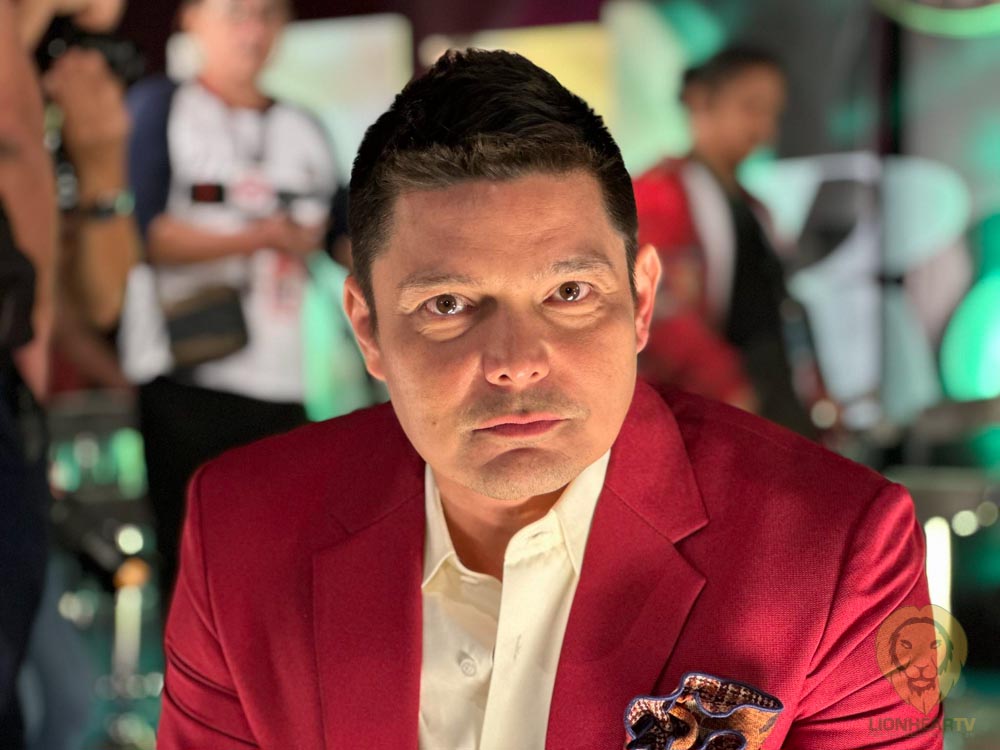
Dantes began his post with a powerful question: “What is happening to the world today?!”
He reflected on what he and wife Marian Rivera felt as they watched the congressional hearings on television.
“Early this week, while watching the hearings with my wife—as stories of corruption unfolded—we asked ourselves: What kind of future will our children inherit? Will they grow up in a society that values truth, integrity, and compassion, or one that normalizes deceit and greed?”
The actor admitted the hearings deeply affected him: “Aaminin ko… I have never felt so disillusioned, anxious, disturbed, and angry all at once. Not just because I now know the taxes I’ve paid have been ‘played’ with (pun intended)—but because the very institutions meant to secure our future may also be the same ones denying it to our children. This goes beyond corruption in the legal sense—and that pains me the most.”
He said that beyond politics, the issue cuts through the daily lives of ordinary Filipinos: “And while I have the space to wrestle with these questions, millions of Filipinos are literally drowning in despair—carrying the daily weight of injustice, corruption, and broken systems. Their suffering is not abstract; it is the lived consequence of corruption that has stalled our nation’s progress.”
While preparing for an upcoming role, Dantes rewatched Breaking Bad and saw parallels with society: “The other night, after taping for Family Feud, when everyone at home was asleep, I sneaked in a couple of episodes. I reached that part when Walter White begins his descent—when the struggling father transforms into what he once fought against. And I couldn’t help but wonder: isn’t this also the story of humanity? Those who harm society—are they choosing evil, or are they victims of circumstance? Maybe both. Circumstance sparks the fire, but weakness—greed, fear, the thirst for belonging—fans the flame. At the heart of it is the failure to resist corruption, the surrender to darkness. In Walter White’s fall, I see the reflection of our own generation, risking the same decay.”
Dantes then issued a strong reminder: “So how did we get here? The painful truth is that maybe, somehow, we allowed this. Through silence, inaction, and compromise, we opened the door. We told ourselves it was normal. We convinced ourselves it was inevitable. But it is not normal. And it should never be.”
He stressed the need for accountability and action: “Dialogue is important, but it must lead to action. And that action begins with accountability. Those entrusted with responsibility must be held to the highest standard—not to serve themselves, but to choose what is right.”
Despite his frustrations, Dantes ended on a hopeful note: “Because if we choose to see, to speak, and to act—then hope will no longer be in doubt. It will be our future. And when that time comes—when my children, when our young people, are old enough to ask, ‘Anong nangyari sa mundo noon, Dad? What did we do?’—I pray we will have answers. Not excuses, but real answers. That we chose what was right. That we did what was needed. That we gave them a future worthy of their courage.”
