


Veteran filmmaker and Film Development Council of the Philippines (FDCP) chairperson Jose Javier “Joey” Reyes has weighed in on the controversy surrounding Jerrold Tarog’s ‘Quezon’, the final installment of TBA Studios’ Bayaniverse trilogy, after watching the film himself.

In a Facebook post, Reyes shared his candid reaction: “I have just watched QUEZON and I left the moviehouse greatly disturbed.”
He followed with a series of reflective questions that, he said, kept him awake after viewing the film:
“This is because I wanted to find out:
(1) In a biographical movie such as this, where does the FACT end and the FICTION begin?
(2) Being the concluding episode of the BAYANIVERSE, what is the filmmaker trying to say about a trio of Filipino heroes?
and most important….
(3) Why are there more people watching the SINESILIP movies than an ambitious epic of historical note like QUEZON?
I shall not sleep well tonight thinking about this.”
Reyes’ post adds a thoughtful layer to the ongoing public debate over the film’s portrayal of President Manuel L. Quezon, which recently turned heated following a viral confrontation between the late president’s grandson, Ricky Quezon Avanceña, and the film’s creators during a talkback session in Makati City.
In a video circulating online, Avanceña is seen challenging director Jerrold Tarog during the Q&A, asking if Quezon was meant to be “political satire.”
When Tarog responded that the film indeed employed satirical elements, Avanceña retorted: “So you admit this is a satire? So ‘wag natin papaniwalaan—joke pala ito. It’s a joke!”
He then accused the filmmakers of “desecrating” his grandfather’s memory, saying they “sinalaula ang alaala ng isang pamilyang nagbuwis ng buhay,” before throwing the microphone and walking out.
Later on Facebook, Avanceña clarified he was not calling for a boycott of the film: “I’m not saying don’t watch the movie. Watch it, and then join me in a social media defense, mga Quezon followers.”
He described Quezon as “the best ever, most incorruptible” president and lamented that the movie reduced him to a caricature.
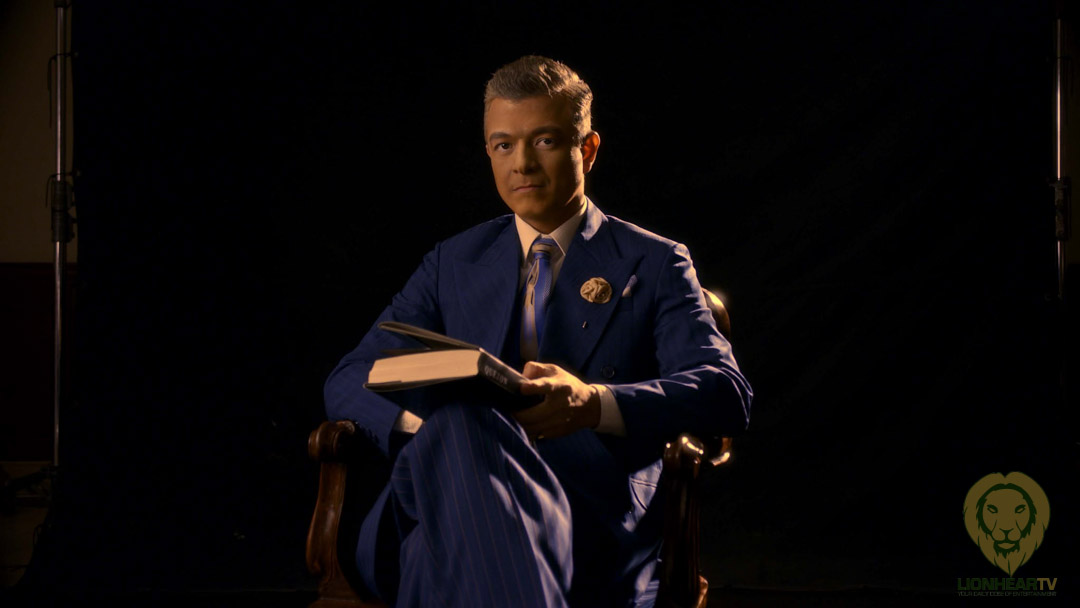
During the same event, Tarog explained that Quezon was designed as “a conversation with the Filipino public” — one that invites reflection rather than reverence.
“If you take the film by itself, you will only see the negative side,” Tarog said. “The film is a conversation with the Filipino public. Since it is a conversation, we would have already known his accomplishments.”
Lead star Jericho Rosales, who plays Manuel L. Quezon, echoed the sentiment, emphasizing that the film explores the humanity of historical figures.
“There are no perfect people,” Rosales said. “I was trying to wrap my head around this person who has led the country to independence and done great things—and still is so flawed.”
Interestingly, another audience member — who also identified herself as a descendant of Quezon — reportedly praised the film, calling it her favorite among Tarog’s works.
Released nationwide on October 15, ‘Quezon’ stars Jericho Rosales, Karylle Tatlonghari, Mon Confiado, Iain Glen, and Cris Villanueva, and serves as the final entry in Tarog’s acclaimed historical trilogy that began with ‘Heneral Luna’ (2015) and ‘Goyo: Ang Batang Heneral’ (2018).
The film traces Quezon’s transformation from soldier and lawyer to the President of the Commonwealth of the Philippines (1935–1944), examining his political rivalries with Emilio Aguinaldo, Sergio Osmeña, and Leonard Wood amid the tensions of American colonial rule.
As the debate continues, Quezon has reignited discussions about the role of artistic license in historical cinema — and the fine line between storytelling and fidelity to fact.
