
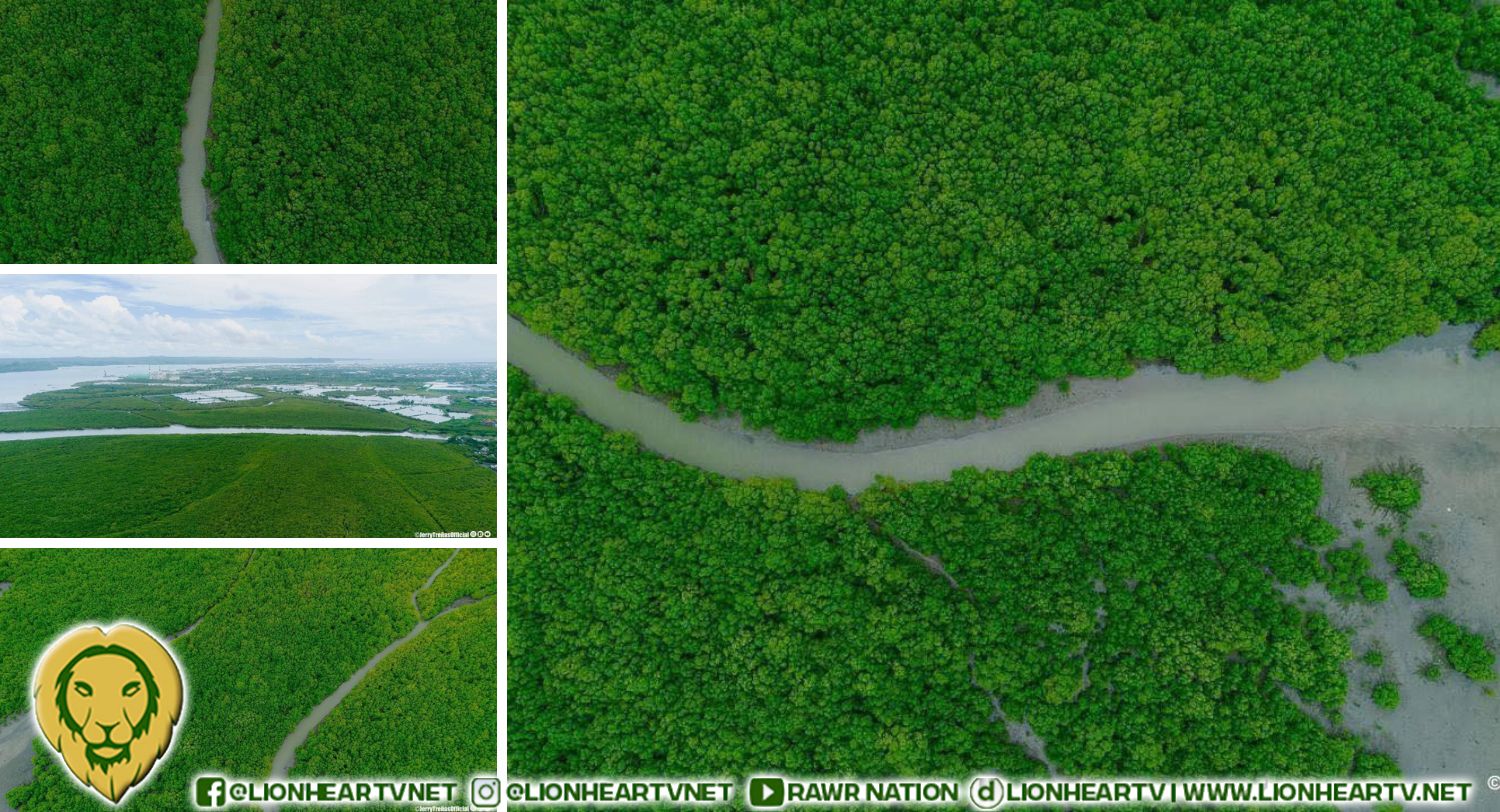

Former Iloilo City Mayor Jerry Treñas showcased the city’s flourishing mangrove areas through a series of aerial photos, underscoring their crucial role in protecting Iloilo from natural calamities and climate change impacts.
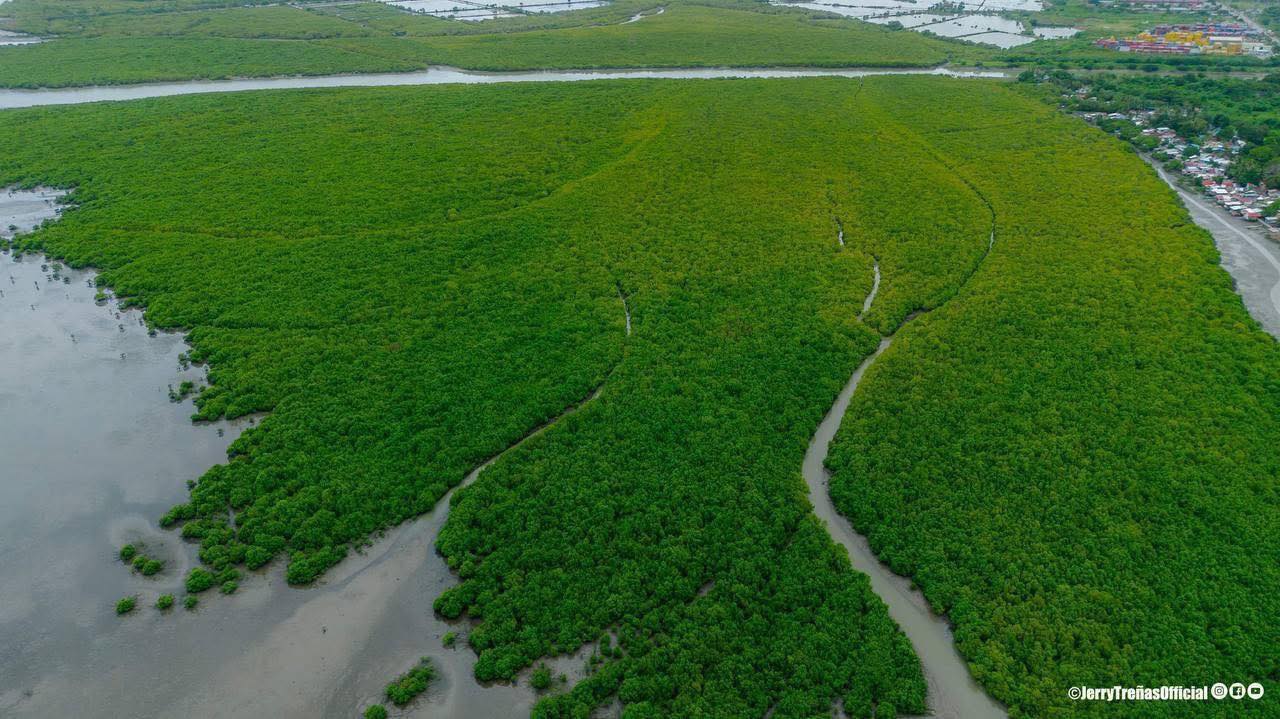
Photos shared by Iloilo City Mayor Jerry Treñas on social media
“This mangrove area is a product of natural colonization, made possible by the availability of soil deposits from the city’s flood control project,” Treñas said. “Over time, this site has evolved into—and continues to grow as—a significant mangrove patch for Iloilo City.”
The wide mangrove belt, located along the city’s coastline particularly at the mouth of the Iloilo City Floodway in Barangay Bitoon, Jaro, and stretching toward Hinactacan, La Paz, has become one of the city’s most important natural defenses.
“Dominated mainly by Avicennia marina (api-api), it now plays a vital role in climate change adaptation, carbon sequestration, biodiversity enhancement, and the delivery of essential ecosystem services that benefit the city and its people,” Treñas added.
He emphasized that mangroves have long served as nature’s fortress for coastal communities, protecting them from flooding, erosion, and pollution, while providing habitat for wildlife and helping mitigate climate change through carbon storage.
“We must protect this natural asset as we confront the growing challenges of climate change,” Treñas said. “In my years of service, I have witnessed how safeguarding such ecosystems ensures not only environmental health but also the well-being and livelihoods of every Ilonggo. Preserving this mangrove stand is a promise to future generations that Iloilo City will continue to uphold the delicate balance between progress and preservation.”
Currently, Iloilo City hosts 25 mangrove species out of the 46 found in the Philippines — including naturally grown stands like those in Jaro and La Paz, and planted mangroves along the Iloilo River Esplanade. This makes Iloilo one of the country’s urban centers with the highest mangrove diversity.
Mangroves like Avicennia marina are known as pioneer species, among the first to colonize new mudflats. They can also store up to four times more carbon than upland forests, making them one of the most powerful nature-based climate solutions.
As Iloilo continues to grow economically, Treñas’ post serves as a reminder that the city’s path to resilience lies not just in infrastructure — but in protecting the ecosystems that naturally protect its people.
