


On February 24, 2026, at Milky Way Cafe in Makati City, Unicapital Securities Inc. presented its 2026 market and economic outlook, joined by representatives from the financial sector and policy institutions, including updates aligned with discussions from the Bangko Sentral ng Pilipinas.

The briefing unfolded in a focused, forward-looking atmosphere, with analysts outlining expectations for growth, inflation, and equity performance. Attention is centered on how policy reforms, infrastructure spending, and monetary conditions may shape the country’s economic trajectory throughout the year. The event framed 2026 as a pivotal transition period—one marked by recalibration rather than abrupt expansion.
During the presentation, Unicapital revised its year-end target for the Philippine Stock Exchange benchmark index to 6,800. The adjustment reflects a more conservative valuation approach, influenced by recent market headwinds and governance-related concerns that have affected investor sentiment. While the new projection is lower than previous estimates, it still suggests moderate upside potential based on current levels.
Market analysts explained that the recalibration stems from multiple factors, including delays in government infrastructure spending, external geopolitical tensions, and shifts in global trade dynamics. These elements have contributed to cautious positioning in local equities. Despite this, the outlook highlighted improving fundamentals that could support a gradual recovery.
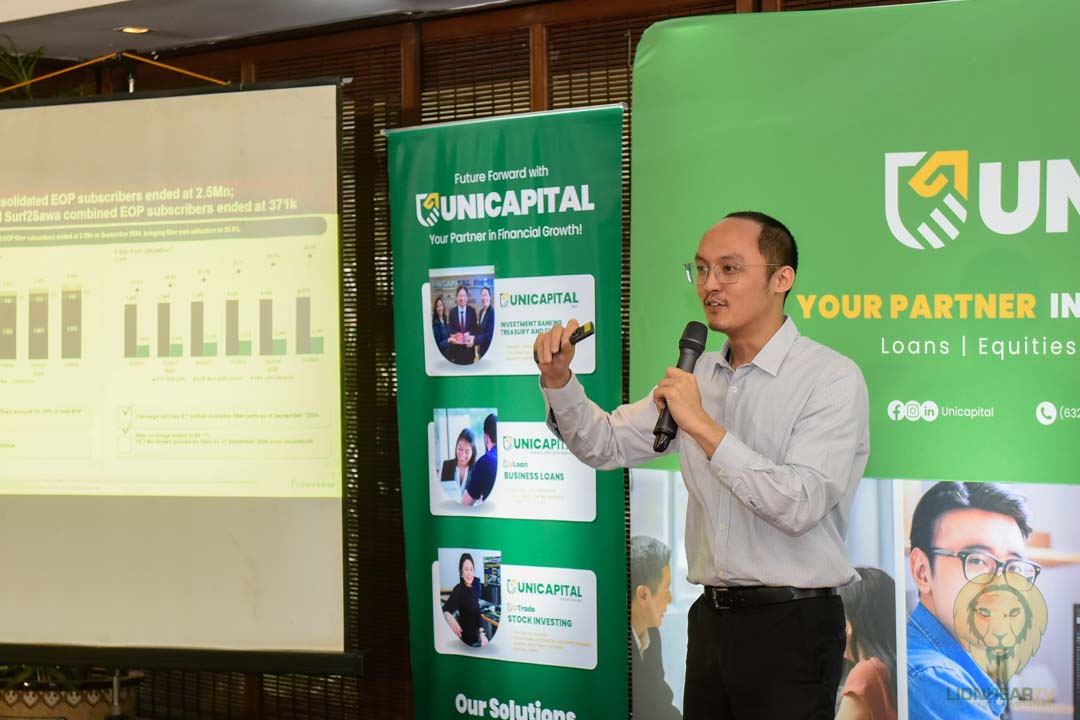
Economic projections presented at the event estimate gross domestic product growth reaching approximately 5.2 percent in 2026. The rebound is expected to be driven by renewed public infrastructure activity, strengthened policy execution, and steady domestic consumption. Household spending continues to serve as the primary growth engine, supported by remittances and resilient business services sectors.
Updates from central bank representatives reinforced the theme of stability. Inflation remains within target ranges, with recent figures reflecting manageable price movements influenced by temporary supply-side adjustments. Policymakers indicated that monetary conditions remain supportive, with openness to further easing if warranted by economic developments. However, emphasis was placed on confidence as the decisive factor in stimulating sustained investment.

Officials also noted the importance of maintaining macroeconomic buffers. Foreign exchange reserves remain substantial, and the banking sector continues to demonstrate adequate capitalization and manageable asset quality. These safeguards provide resilience against external volatility and underpin the country’s ability to respond to global uncertainties.
Throughout the discussion, governance reforms were repeatedly identified as critical to restoring and strengthening investor trust. Transparent public spending, consistent policy implementation, and institutional accountability were described as essential components of long-term market confidence. While liquidity support from monetary authorities can ease conditions, sustained recovery will depend on broader structural improvements.
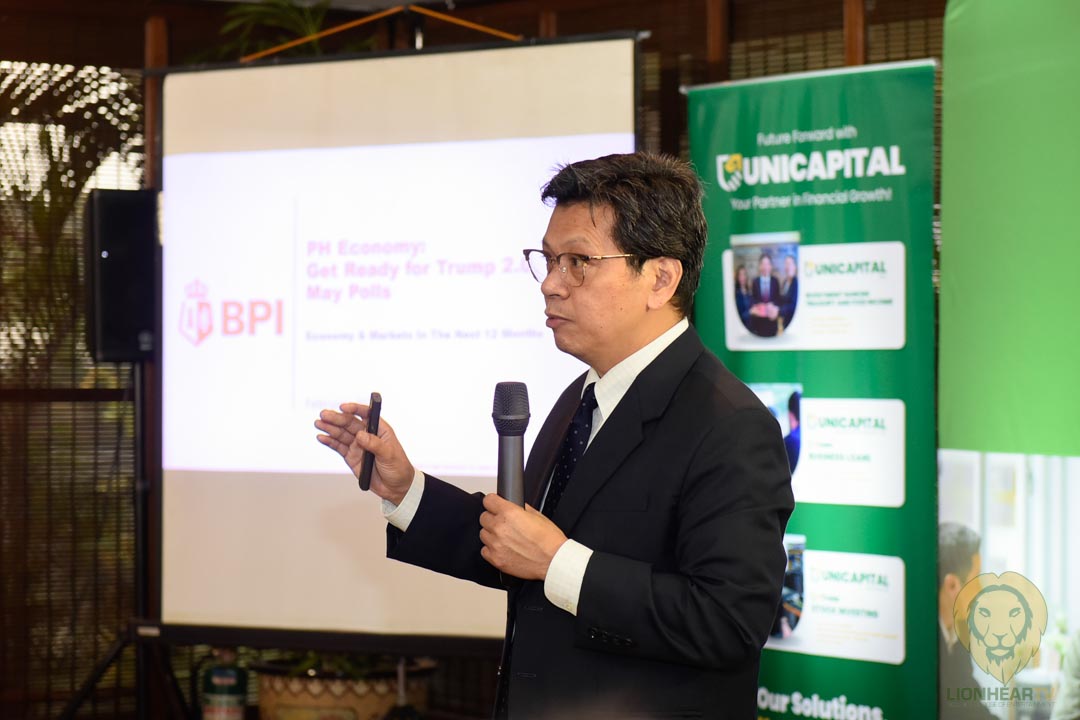
The outlook adopted a strategy described as defensive yet opportunistic—prioritizing companies with strong balance sheets, stable earnings visibility, and alignment with structural growth themes. This approach reflects an intention to balance risk management with participation in the country’s medium-term recovery.
As the session concluded, the overall tone suggested measured optimism. Growth may begin at a steadier pace in the first half of 2026 before gaining momentum later in the year, as fiscal initiatives and policy clarity take fuller effect. With domestic demand remaining firm and institutional reforms progressing, the economic environment appears positioned for gradual strengthening.
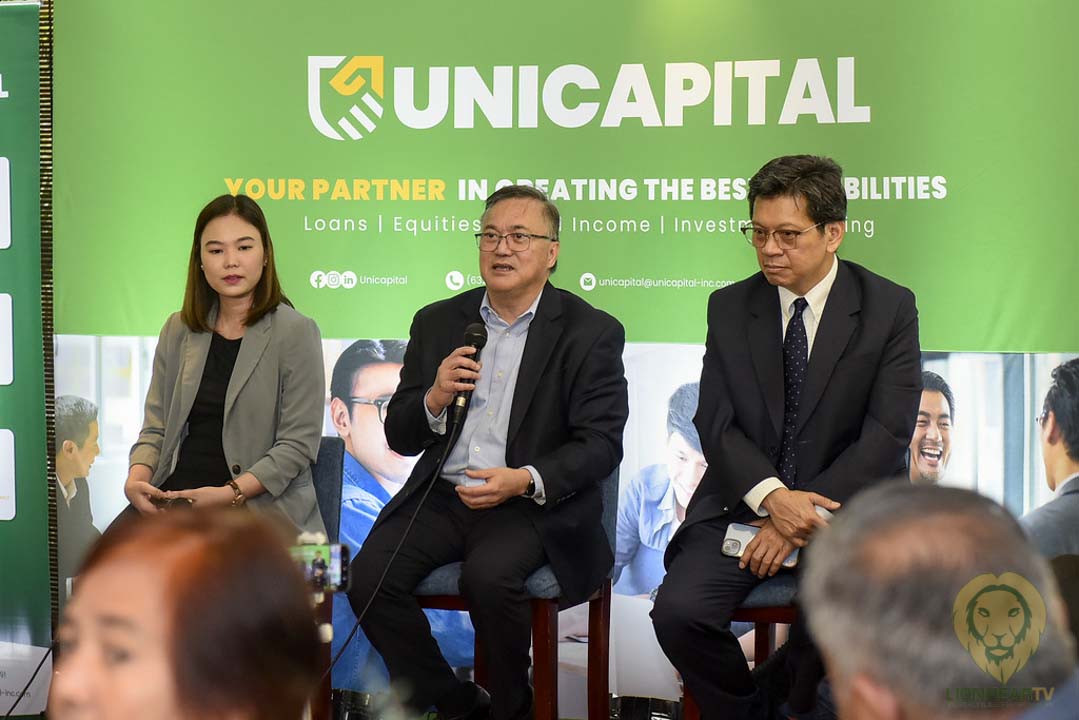
The Makati briefing ultimately presented 2026 as a year of rebuilding confidence and reinforcing foundations. Through coordinated fiscal discipline, responsible monetary policy, and improved governance, the Philippines enters the year with renewed focus on stability, setting the stage for a more resilient and sustainable phase of growth ahead. (with reports from Aldrine Benitez)
