


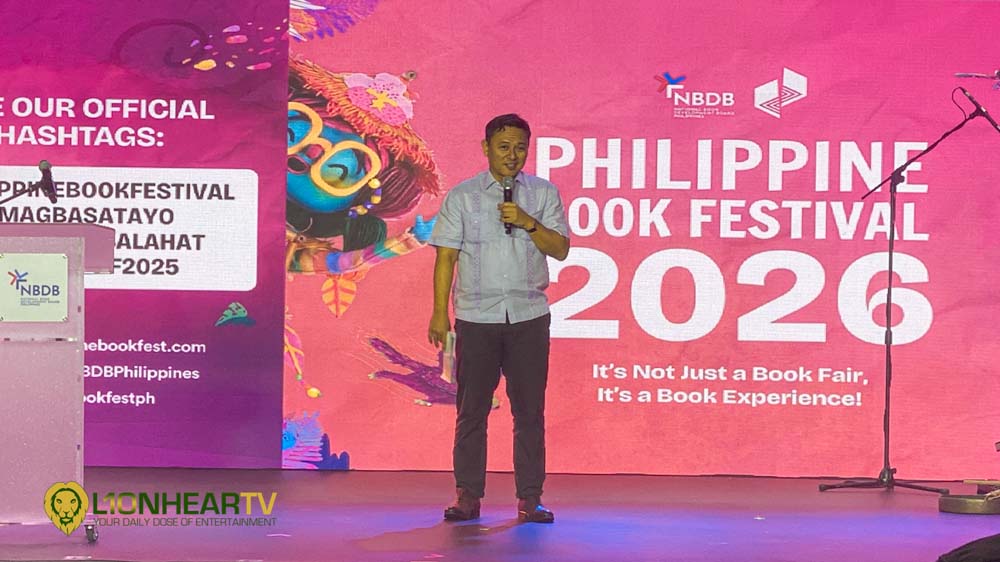
The 4th Philippine Book Festival 2026 officially opened on March 12, 2026, at the Megatrade Hall of SM Megamall in Mandaluyong City, bringing together Filipino authors, publishers, illustrators, educators, and thousands of readers in a four-day celebration of Philippine literature organized by the National Book Development Board. The opening program was led by Sonny Angara, with messages from literary figures including Ricky Lee, marking the start of the country’s only book marketplace dedicated exclusively to Filipino publications.
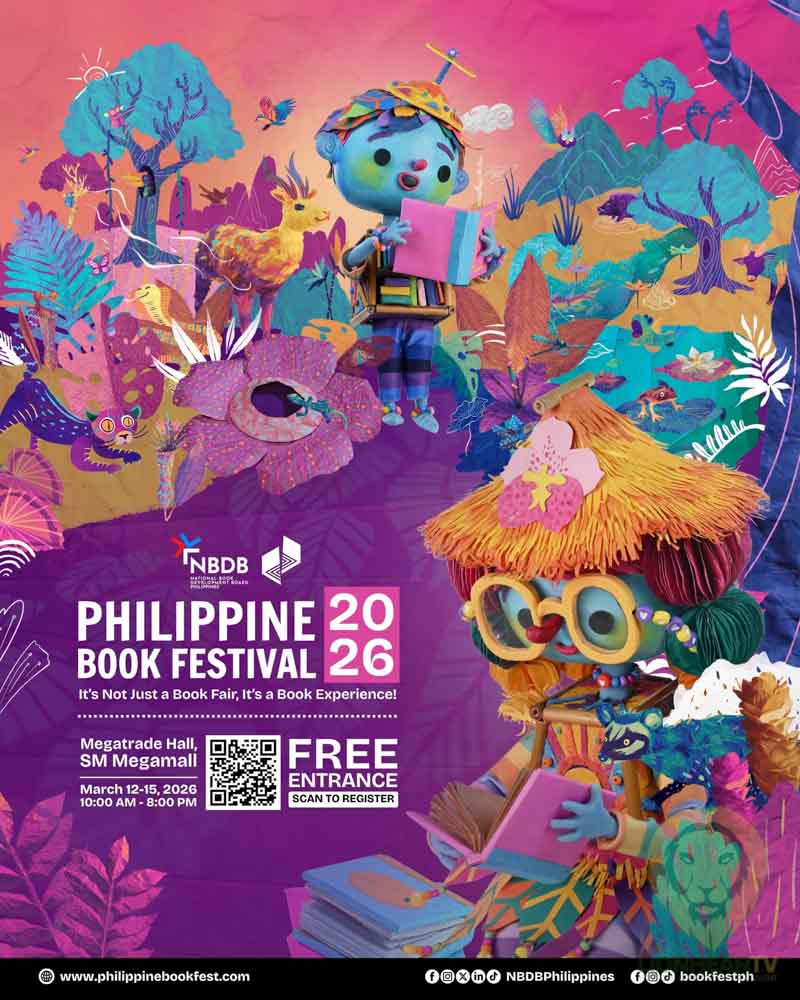
Upon entering the Megatrade Hall, visitors encountered a colorful and immersive environment designed around the festival’s theme, “Gubat ng Karunungan” (Rainforest of Knowledge). The space was carefully transformed into a symbolic forest of ideas where literature, art, and culture intertwined. Decorative elements evoked the imagery of a thriving rainforest, reminding attendees that knowledge grows and spreads much like the natural ecosystems found across the Philippines’ more than 7,000 islands.
Shelves filled with books from Filipino publishers lined the venue, creating aisles where readers could explore stories across genres and generations. From contemporary novels and poetry collections to children’s picture books and educational textbooks, the festival offered a broad showcase of the country’s literary output. The atmosphere reflected the excitement of a community gathering rather than a typical commercial event, as readers browsed titles, spoke with authors, and discovered works that mirrored Filipino experiences.
The decision to open the festival to the general public on the first day added to the lively turnout. Free admission allowed students, families, and book enthusiasts to explore the event without barriers, turning the Megatrade Hall into a bustling hub of literary discovery. Visitors could wander through dozens of exhibition booths while encountering conversations about storytelling, culture, and the future of reading in the Philippines.
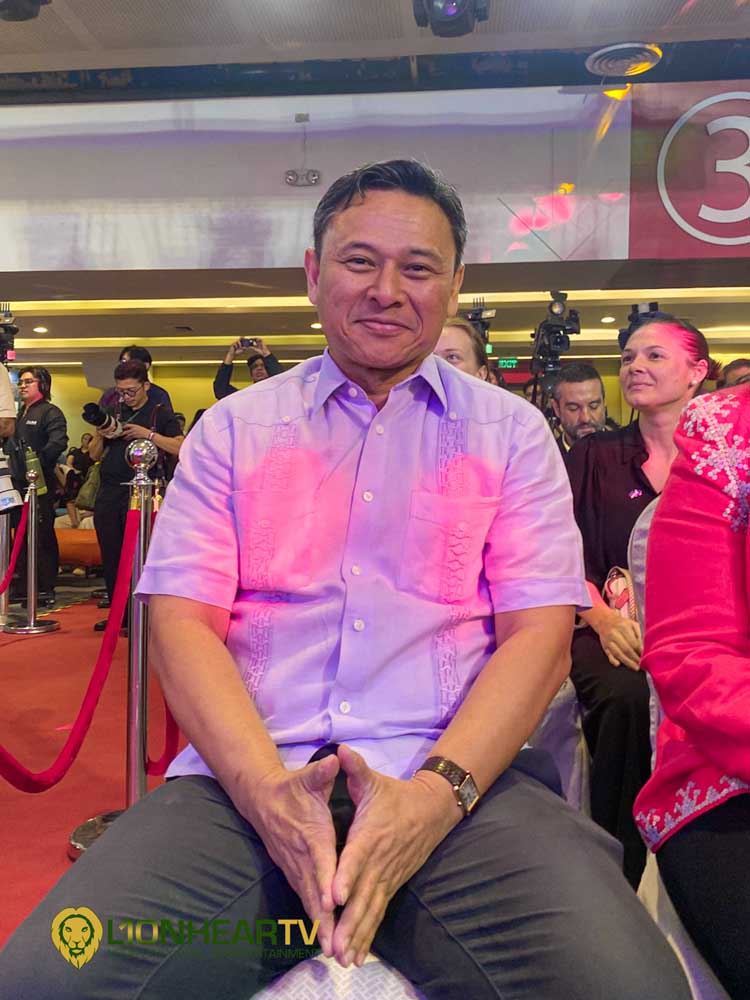
During the opening ceremony, Education Secretary Sonny Angara highlighted the continuing importance of books in shaping education and national development. In the address, Angara emphasized that reading remains central to the learning process, explaining that the Department of Education continues to prioritize the distribution of quality books to schools across the country. Support for locally produced educational materials also forms part of the department’s effort to strengthen literacy among Filipino students.
National Artist Ricky Lee also delivered remarks that resonated with the audience. Known for decades of work in film and literature, Lee stressed the importance of supporting Filipino authors and ensuring that local stories reach wider audiences. Literature, Lee noted, plays a vital role in shaping imagination and cultural identity, especially among young readers who are just beginning to discover the power of storytelling.
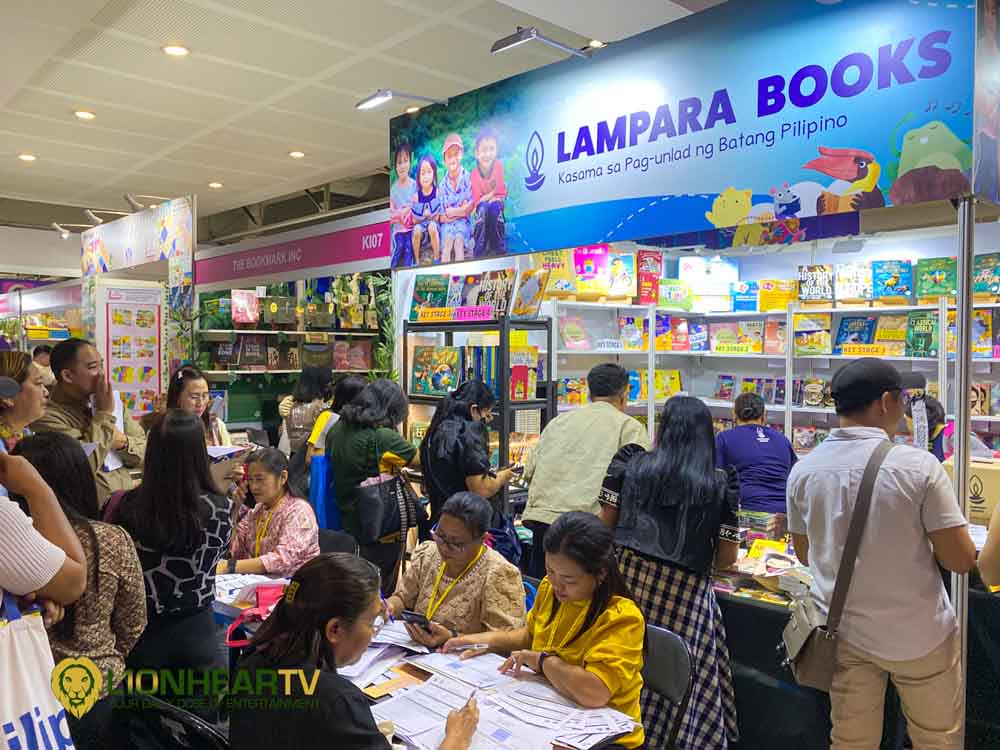
Throughout the venue, the festival was organized into four distinct literary realms, each representing a different dimension of Philippine publishing.
The Kid Lit section welcomed children and young readers into a playful and interactive environment filled with colorful illustrations and storytelling sessions. Picture books, educational materials, and young adult novels were prominently displayed, encouraging early engagement with reading. Activities designed for children transformed the space into a lively classroom of imagination where stories were not only read but also performed and shared.
Another key section, Aral Aklat, focused on academic and educational materials. Publishers showcased textbooks and reference books covering subjects such as mathematics, history, language, and literature. Teachers, students, and academic institutions explored these resources while representatives from the Department of Education reviewed titles that could be introduced into classrooms nationwide. This initiative provided direct support to Filipino publishers producing educational materials.
The Booktopia realm drew enthusiastic crowds of readers eager to explore contemporary Filipino literature. Fiction, nonfiction, romance, fantasy, poetry, and memoirs filled the shelves, offering something for every type of reader. Nearby, the Lugar Lagdaan area hosted book signings and meet-and-greet sessions, where readers lined up to have their books signed and to speak with the writers behind the stories that inspired them.
Meanwhile, the Komiks realm highlighted the vibrant world of Filipino graphic storytelling. Comic enthusiasts gathered around displays featuring works by some of the country’s most influential artists, including Manix Abrera and Pol Medina Jr. The section introduced visitors to the rich tradition of Philippine comics while encouraging aspiring illustrators to explore visual storytelling.
Complementing these literary realms were several interactive spaces designed to deepen engagement with books and creative expression. Bahay Ilustrador offered discussions on illustration and the art of visual storytelling, providing insights into how artists bring narratives to life through images. Workshops and masterclasses held under the Gubat ng Karunungan program invited aspiring writers and readers to participate in conversations about creativity, publishing, and storytelling.

The festival also paid tribute to the country’s literary heritage through an exhibit of rare historical works presented in partnership with the National Library of the Philippines. Visitors could view facsimiles of historically significant books such as Noli Me Tangere by Jose Rizal and the early catechism text Doctrina Christiana. These exhibits reminded attendees that Philippine literature carries centuries of intellectual and cultural history.
The festival’s lineup also featured some of the most respected personalities in Philippine literature. National Artist for Literature Virgilio Almario joined historian Ambeth Ocampo and bestselling novelist Jonaxx in a series of talks, discussions, and book-signing events that attracted large crowds of readers.
Another major highlight of the festival was the 43rd National Book Awards, scheduled for March 14 at the Fiesta Stage. The prestigious awards recognize outstanding works produced by Filipino authors, editors, translators, illustrators, and publishers over the past year. The ceremony celebrates excellence in Philippine publishing and highlights the growing strength of local literary talent.
Beyond book sales and author appearances, the Philippine Book Festival created a space for connection. Gathering areas such as Umpukan allowed readers, writers, and educators to engage in conversations about literature and culture. Community discussions unfolded throughout the day, turning the festival into a meeting point for individuals who share a passion for books.
NBDB Executive Director Charisse Aquino-Tugade described the event as more than just a book fair. The festival aims to serve as a shared cultural space where the publishing industry, educational institutions, and readers can come together to strengthen the role of books in Filipino society.
Running from March 12 to 15, the Philippine Book Festival continues to welcome visitors from 10 a.m. to 8 p.m., offering hundreds of activities, exhibits, and literary encounters. The event reflects a growing movement to support Filipino authors and to encourage reading as both a personal habit and a national culture.
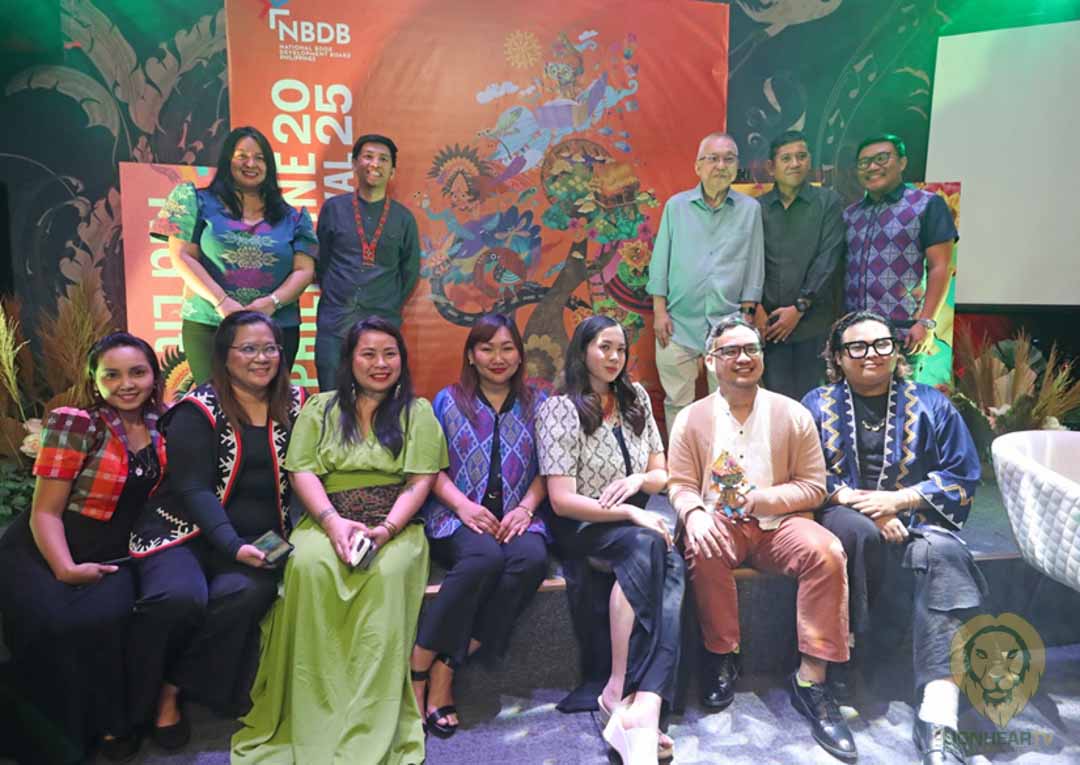
Within the lively halls of SM Megamall, the “Rainforest of Knowledge” continues to flourish, demonstrating how stories, ideas, and imagination remain deeply rooted in the Filipino spirit. (with reports from Carlos Aragon)
