

The Moneygurado film series screening and media experience held on April 13, 2026, at Greenbelt 3 Cinema in Makati City gathered Metrobank executives led by Chief Marketing Officer Digs Dimagiba, featured storytellers including entrepreneur Audrey Cruz of OnlyPans Taqueria, filmmaker Jose Javier Reyes, historian Xiao Chua, author Michelline Suarez, and members of the media for an immersive showcase of financial mindfulness through real Filipino lived experiences.

Inside the cinema, the usual movie-night atmosphere was replaced with a reflective, almost documentary-style calm, setting the tone for a project that leaned heavily on storytelling rather than traditional financial instruction. Moneygurado, a Metrobank initiative derived from the Filipino word “manigurado” (to make sure), reframes money management as a mindset rooted in confidence, clarity, and protection—blending “money” and “sigurado” into a cultural reminder of financial certainty in uncertain times.
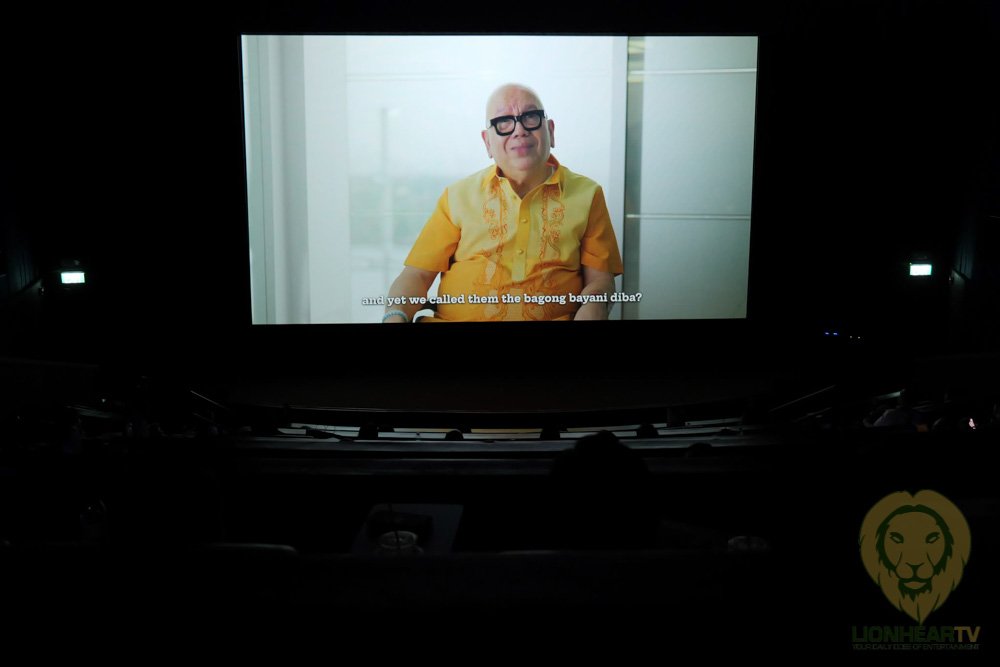
At the core of the presentation was Metrobank’s message that financial literacy becomes more impactful when grounded in real human experiences. Chief Marketing Officer Digs Dimagiba emphasized this direction clearly, stating, “Moneygurado is about helping Filipinos become more intentional with their money by understanding the ‘why’ behind their decisions. By starting with real stories that reflect everyday realities, we make these conversations more relatable—and ultimately more actionable.” The approach positioned the series not as a lecture on budgeting but as a reflection of how Filipinos actually think, feel, and navigate money in everyday life.

The premiere episode, “Kapit Lang: The Filipino Way of Surviving,” followed the story of Audrey Cruz, founder of OnlyPans Taqueria in Poblacion, Makati. Her journey unfolded as a familiar Filipino narrative of resilience—starting from a pandemic-era food delivery concept that grew into a thriving business, only to be disrupted by a devastating fire. In her story, resilience (katatagan) was not portrayed as mere endurance but as preparation built long before a crisis strikes. The episode underscored a central insight: survival alone is not sustainable without intentional financial habits such as saving, insurance, and structured planning.
The screening transitioned into discussions that expanded the lens of financial behavior beyond numbers. Upcoming episodes introduced during the event explored how deeply rooted cultural values shape financial decisions. “Utang sa Pelikula: Self-Worth and Borrowing” featured filmmaker Jose Javier Reyes unpacking how debt is framed in Filipino storytelling, challenging the idea that borrowing is inherently negative and instead highlighting responsibility in financial decisions. “The Price of Hiya” with historian Xiao Chua examined how cultural shame around money conversations often leads to overspending and financial silence, reinforcing the need for openness in financial discussions. Meanwhile, “Alkansya: The Filipino Art of Waiting” with author Michelline Suarez reflected on the cultural practice of saving and delayed gratification, positioning patience as a financial strength rather than a limitation.

Throughout the event, the recurring theme was clear: Filipino financial behavior is deeply tied to identity, shaped by values such as hiya, pakikisama, utang na loob, and katatagan. These values, while culturally meaningful, also influence how people save, spend, and borrow—sometimes reinforcing habits that prioritize social expectations over long-term stability. Moneygurado challenges this dynamic by encouraging a shift from reactive financial behavior (“bahala na”) toward intentional decision-making (“sigurado”).
Rather than presenting strict rules, the series builds understanding through lived experiences, allowing audiences to see themselves in each narrative. The storytelling approach reinforces Metrobank’s advocacy of practical financial mindfulness—planning, spending with intention, protecting assets, and building resilience before uncertainty arrives.

As the screening concluded, the broader message of Moneygurado lingered beyond the cinema: financial awareness is not only about managing money but also about understanding behavior, culture, and decision-making. By anchoring financial education in Filipino stories, the initiative positions itself as both a mirror and a guide—reflecting everyday realities while gently steering them toward more intentional financial futures.
In a time of rising costs and economic pressure, Moneygurado presents a shift in perspective: from reacting to uncertainty to preparing with clarity long before it arrives. (with reports from Lau Balocos)