

At Globe Telecom’s The Blueprint 2026, held on May 26, the mood inside the venue was noticeably different from the usual telecom showcase. Instead of focusing on flashy product announcements, the program unfolded like a strategic briefing—one that slowly revealed how the company plans to reshape what “being connected” actually means for Filipinos.

From the opening remarks delivered by Globe’s Chief Operating Officer, the direction was already unmistakable. The conversation wasn’t about faster data or bigger bundles alone—it was about continuity. Connectivity, as framed throughout the event, was positioned as something that should remain available regardless of location, infrastructure gaps, or unexpected disruptions.
The audience that filled the space—media, industry partners, and tech observers—was guided through a series of presentations that kept returning to a single theme: access must be inclusive, especially for users in remote provinces, island communities, and Geographically Isolated and Disadvantaged Areas (GIDA), where signal reliability is often a daily challenge.

One of the most closely watched developments was Globe’s push toward Starlink Direct-to-Cell integration, a satellite-enabled system designed to connect ordinary LTE smartphones directly to satellites without requiring special devices or external equipment.
The idea drew attention not because it was entirely new in the global telecom space, but because of its potential local impact. In a country made up of thousands of islands and disaster-prone regions, the ability for a phone to maintain basic connectivity even when cell towers are unavailable represents a major shift in resilience planning.
During the discussions, use-case scenarios were highlighted where even in low-coverage environments, essential services such as messaging, navigation, and mobile financial tools could still function. The underlying message was clear: connectivity should not disappear simply because infrastructure is compromised.
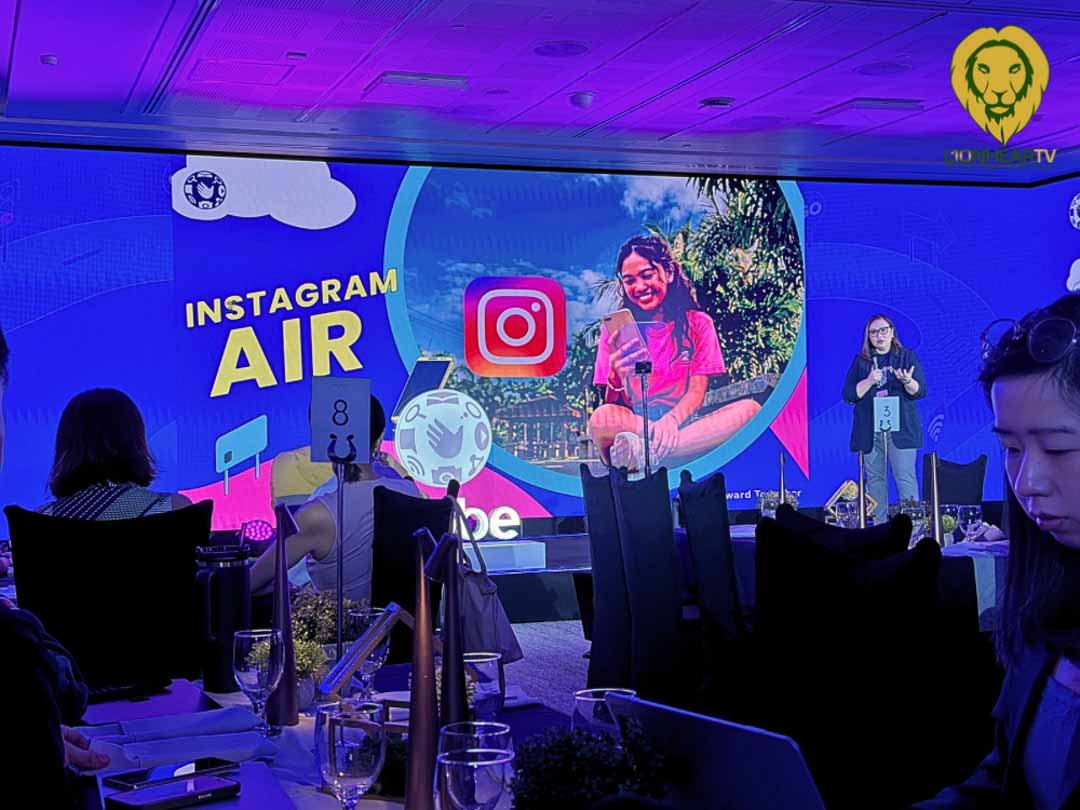
Another feature that sparked interest was Globe’s concept for limited-access social connectivity, introduced as Instagram Basic / Instagram Air. The feature allows users to continue accessing lightweight versions of apps even after exhausting their data allocation, offering a small daily allowance for essential browsing.
While modest in scale, the concept was framed around a very real user behavior pattern in the Philippines—running out of data mid-cycle and suddenly losing access to communication and social platforms. The approach reflects a shift toward “graceful degradation” of services rather than complete disconnection.
The event also introduced AI Fiesta, Globe’s developing artificial intelligence platform designed to assist users in everyday tasks such as studying, content creation support, and productivity assistance. Positioned as part of a larger ecosystem strategy, it was presented not as a standalone tool but as a layer of intelligence that will eventually integrate across multiple Globe services.
One of the most practical announcements of the day came with the expanded accessibility of GCash, which will remain usable for core functions even without an active data subscription.
This includes the ability to open the app and perform essential transactions such as sending money, purchasing load, and accessing basic wallet services. In a country where mobile payments have become central to daily life, this development was positioned as a form of digital safety net—ensuring financial access doesn’t immediately cut off when data runs out.

The event also touched on upcoming Starlink-powered prepaid offerings, which are expected to roll out in phases, starting with Android devices before expanding to other platforms. While full technical details remain limited, the direction points toward a future where satellite connectivity becomes part of mainstream mobile plans rather than a specialized service.
What tied all of these announcements together was not the individual features themselves, but the philosophy behind them.

Throughout The Blueprint 2026, Globe repeatedly returned to the idea that connectivity should not be treated as something fragile or conditional. Instead, it should adapt—whether through satellites filling coverage gaps, apps that still function in low-data environments, AI tools that simplify digital life, or financial services that remain accessible even under network limitations.
By the end of the program, the message had been delivered without needing dramatic framing. The future Globe presented was not about occasional connectivity improvements but about a system designed to stay present in the background of everyday life—especially when circumstances are at their worst.

In that sense, The Blueprint 2026 wasn’t just a presentation of upcoming features. It was a quiet repositioning of what a telecom company believes its responsibility now looks like in a country that is always online, but not always connected. (with reports from Elle Grengia)