
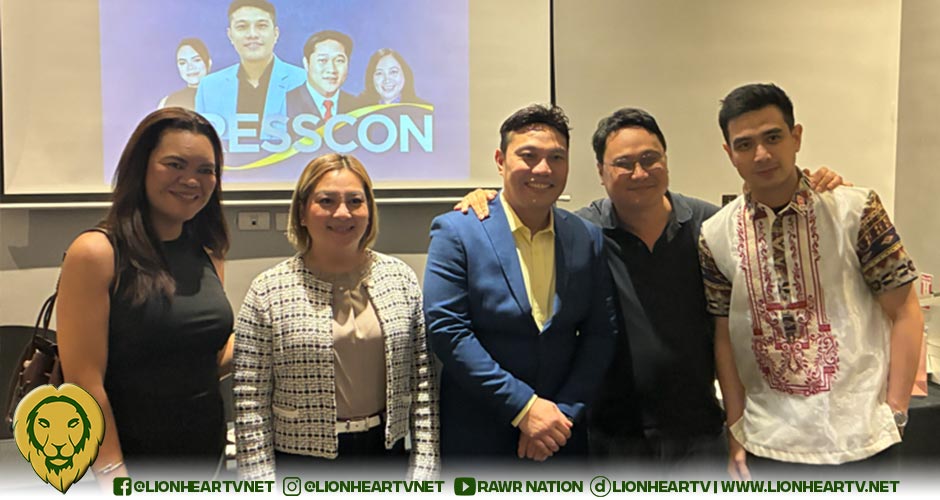
The push to professionalize the country’s live events workforce is gaining attention, with SMILE calling for stronger industry standards, skills development and social protection for project-based and freelance workers.

The group said the live events sector relies heavily on workers who move from one production to another, including stagehands, technicians, riggers, production assistants, drivers, suppliers, performers and other support personnel.
While the project-based nature of the industry provides flexibility, SMILE said it can also leave workers vulnerable to gaps in employment, income and access to benefits once a production ends.
Building a recognized pool of skilled workers
Among the proposals is the creation of a national industry registry that would allow qualified workers to document their areas of specialization, experience and training.

SMILE said such a registry could support job matching and make it easier for event organizers and production companies to identify skilled personnel for projects across the country.
The group also called for stronger training and certification pathways for technical and production positions.
It emphasized that the proposal is not intended to turn the entire live events sector into a traditional nine-to-five workforce.
Instead, the goal is to strengthen employment opportunities while preserving the flexibility required by an industry driven by projects, seasons and production cycles.
Strengthening workplace standards
SMILE is also seeking clearer standards covering contracts, working hours, overtime arrangements, compensation and timely payment.
The group said workers should have clear terms of engagement before taking on a project, particularly in an industry where employment arrangements can vary from one production to another.
Occupational safety is another area highlighted by the group, given the risks associated with rigging, electrical systems, heavy equipment, elevated work, transportation and overnight event setup and dismantling.
It is calling for industry-specific safety guidelines, appropriate training and clearer accountability when safety standards are not followed.
Expanding access to social protection
SMILE also wants project-based and freelance workers to have easier access to government programs such as SSS, PhilHealth and Pag-IBIG, as well as insurance and other forms of protection.
It is proposing a more practical portable benefits system, allowing workers to maintain access to benefits even after a particular contract or production has ended.
Dialogue among industry stakeholders
The group is likewise proposing a regular national dialogue involving workers, production companies, event organizers, suppliers, performers and relevant government agencies.
SMILE said policies affecting the sector should take into account the actual working conditions and needs of people directly involved in live event production.
Through these initiatives, the group aims to establish a more organized and professional live events workforce while retaining the flexibility that has long been part of the industry.This version uses a workforce professionalization and industry development angle, rather than leading with job insecurity or labor protection.