


Marvel Studios’ ‘Thunderbolts’ is the unexpected crossover that somehow works — a film that brings together fan-favorite antiheroes and misfits and delivers something emotionally rich, thematically grounded, and surprisingly human.
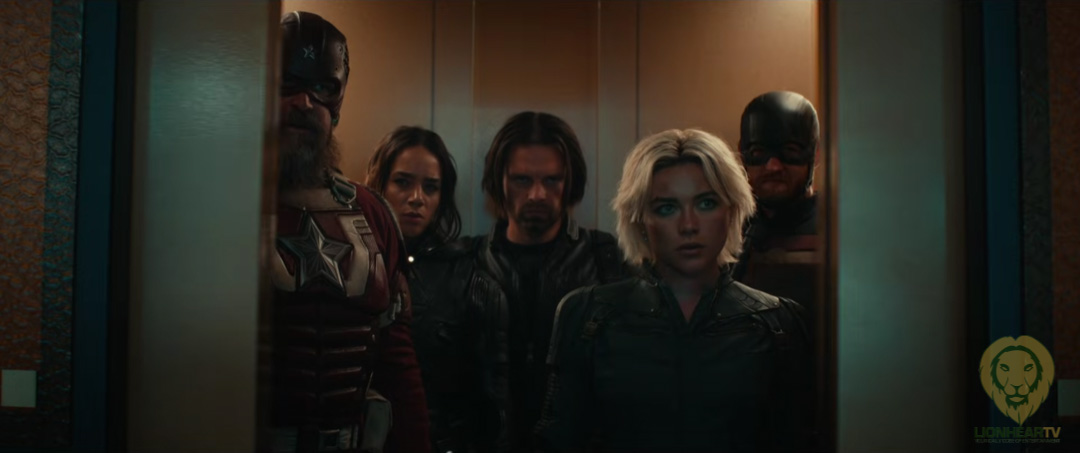
With Florence Pugh’s Yelena Belova and Lewis Pullman’s deeply haunted Bob (Sentry) at the emotional core, ‘Thunderbolts’ redefines what it means to be a Marvel team-up movie.
A Misfit Lineup That Finally Clicks. This isn’t your traditional Avengers-style rollout — and that’s a good thing. The Thunderbolts team is a volatile cocktail of trauma, sarcasm, regret, and reluctant heroism. Each member brings a distinct voice to the ensemble: Yelena’s sharp wit masks deep pain; Bucky Barnes (Sebastian Stan)remains weary but driven; Red Guardian and Valentina add comedic and political spice; and Sentry (Bob) is a tragic powerhouse of internal conflict. Ghost and U.S. Agent round out the crew, though some fans may feel they were underused.
Despite (or because of) their dysfunction, the team works. Their chemistry is unpredictable, their missions messy, and their emotional arcs surprisingly affecting. You feel the stakes — not because the world is ending, but because the people involved are breaking.
Not Just Another CGI Showdown. Director Jake Schreier veers away from the weightless, over-CG’d spectacle of recent MCU outings. Here, practical effects and grounded cinematography dominate, giving each action sequence real weight and clarity. And when CGI is used — particularly in scenes with the Void — it’s haunting and effective.
More importantly, the film allows for emotional moments to breathe. Conversations about grief, addiction, and identity are handled with nuance, not deflated by forced humor. Thunderbolts takes its characters seriously, and in turn, so do we.

Sentry. Bob (Sentry) isn’t just another superhero with a dark side — he is the conflict. His internal war with the Void plays out both psychologically and visually, offering a metaphor for depression and self-destruction. A mid-film breakdown between him and his alter ego is among the MCU’s most gut-wrenching moments. Florence Pugh’s Yelena acts as both mirror and anchor to Bob’s spiral, and their dynamic is one of the film’s most rewarding threads.
Emotional Payoff > Endless Cameos. What ‘Thunderbolts’ gets right — and what many MCU entries lately haven’t — is emotional resonance. This is a character-driven film. The humor hits because it’s earned. The action lands because it’s intimate. And when it gets dark, it stays dark long enough to matter.
There are no multiverse gimmicks, no surprise cosmic villains. Instead, the movie invests in pain, redemption, and chosen family. Think ‘The Suicide Squad’ meets ‘The Winter Soldier’, but with a soul-searching heart.
Not Perfect. Some characters — like Ghost and Taskmaster — feel shortchanged. The film could’ve benefited from more tactical team dynamics in its action sequences, especially given how unique their abilities are. And continuity-wise, questions about Spider-Man, Daredevil, and Kingpin loom large, especially given how this film affects New York.
But in a sea of MCU mediocrity, these feel more like missed opportunities than dealbreakers.
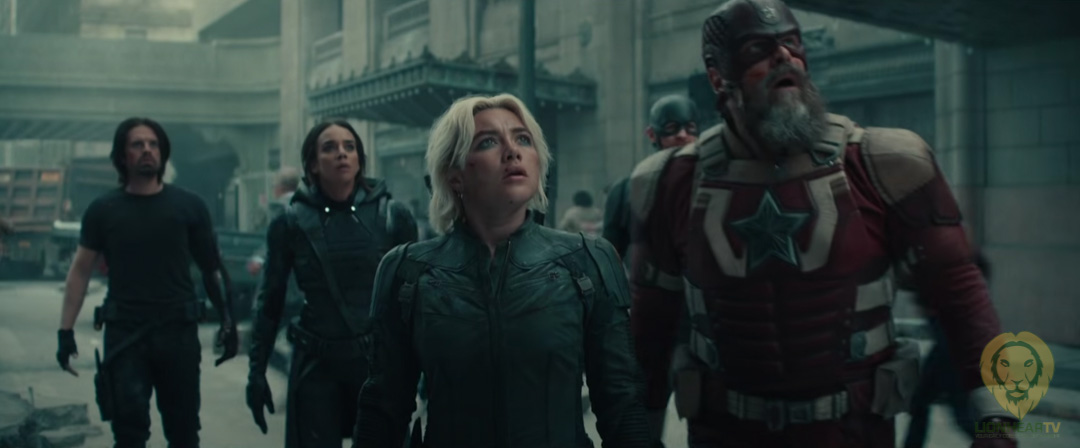
LionhearTV‘s Verdict. Thunderbolts is one of Marvel’s strongest post-Endgame efforts — a stylish, smart, and soulful story about broken people doing their best with what’s left. With memorable performances, a haunting villain-hero dynamic, and a grounded visual identity, it’s a thrilling reminder of what the MCU can be when it prioritizes character over chaos.
Rating: 4.5/5
Best for: Fans craving emotional depth, strong ensemble storytelling, and a break from the CGI bloat.
Watch it for: Florence Pugh. Lewis Pullman. That IMAX Void scene. The final two post-credit scenes.
Avoid if: You’re looking for constant big battles or traditional superhero cheer.
