


Kris Aquino has never been one to hide behind silence. Whether navigating heartbreak, political legacy, or personal reinvention, the Queen of All Media has always met the public gaze head-on.
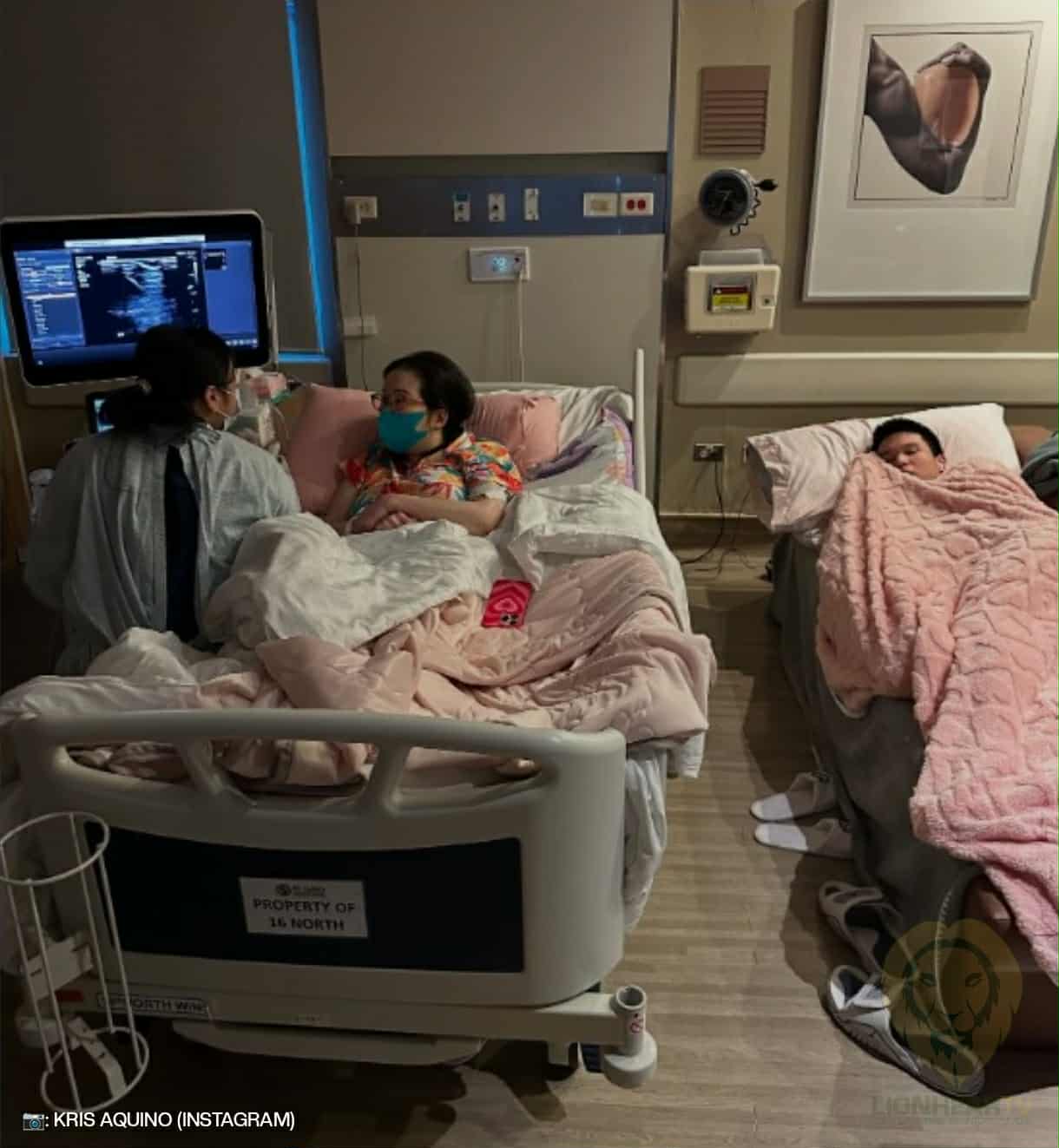
But her latest health update—raw, unfiltered, and deeply human—has shifted the conversation from celebrity spectacle to something far more intimate: survival. On August 19, Kris posted a photo from her hospital room, Bimby resting beside her, and a caption that read like a quiet alarm. Her doctor, Dr. Geraldine Zamora, had spotted something “alarming” in her blood panel results, prompting an urgent ultrasound and consultations with three specialists.
Kris, who has been battling multiple autoimmune diseases, admitted, “I can already tell na dapat na akong kabahan pag umakyat na yung senior technician”—a line that struck fans not just for its medical gravity, but for its emotional candor.
This wasn’t a curated press release. It was a woman, mother, and public figure laying bare her fragility. And in doing so, she reminded millions why vulnerability, when shared with intention, can be a radical act of connection.
Kris’s openness about her health—her fears, her treatments, her children’s emotional toll—has created a kind of communal empathy rarely seen in celebrity culture. Bimby’s sleepless nights, Josh’s quiet visits, and Kris’s plea for continued prayers have transformed her followers from passive fans into active supporters. The hashtags #PleaseWagSumuko and #TuloyPaRinAngLaban aren’t just rallying cries—they’re emotional lifelines.
In a media landscape often obsessed with perfection and performance, Kris’s storytelling breaks the mold. Chronic illness is rarely given space in mainstream entertainment, and when it is, it’s often sanitized or dramatized beyond recognition. Kris, however, narrates her journey in real time—with medical jargon, emotional nuance, and spiritual depth. She doesn’t just inform; she invites.
And the media? It’s listening. Outlets from ABS-CBN to GMA have amplified her updates, not as gossip, but as testimony. Her story has become a mirror for many Filipinos navigating their own health battles, whether silently or publicly. It’s a reminder that illness doesn’t discriminate—and that healing, when shared, can ripple outward.
But there’s a deeper layer here. Kris Aquino’s legacy is rooted in public service, emotional transparency, and cultural influence. Her decision to trust Filipino doctors over uncertain foreign treatments speaks volumes about agency, faith, and national pride. Her refusal to sugarcoat the risks—“There may be no tomorrow for me”—isn’t defeatist. It’s defiant. It’s real.
As she enters a six-month preventive isolation, Kris continues to post, pray, and persevere. And in doing so, she’s rewriting what it means to be a public figure in crisis—not as a distant icon, but as a deeply relatable human being.
Because sometimes, the most powerful media moment isn’t a blockbuster or a viral meme. It’s a woman in a hospital bed, asking for prayers—and reminding us all that the fight, no matter how quiet, is still worth watching.
