
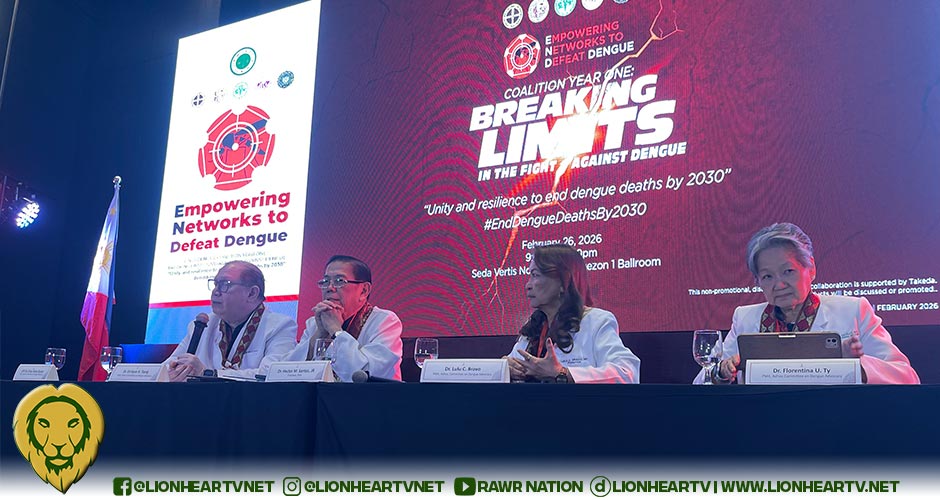

On February 26, 2026, at Seda Vertis North, the Philippine Medical Association (PMA), together with the Empowering Networks to Defeat Dengue (E.N.D. Dengue), convened a press conference to mark the coalition’s first anniversary while addressing concerns over the proliferation of unregistered and counterfeit dengue vaccines in unauthorized markets.
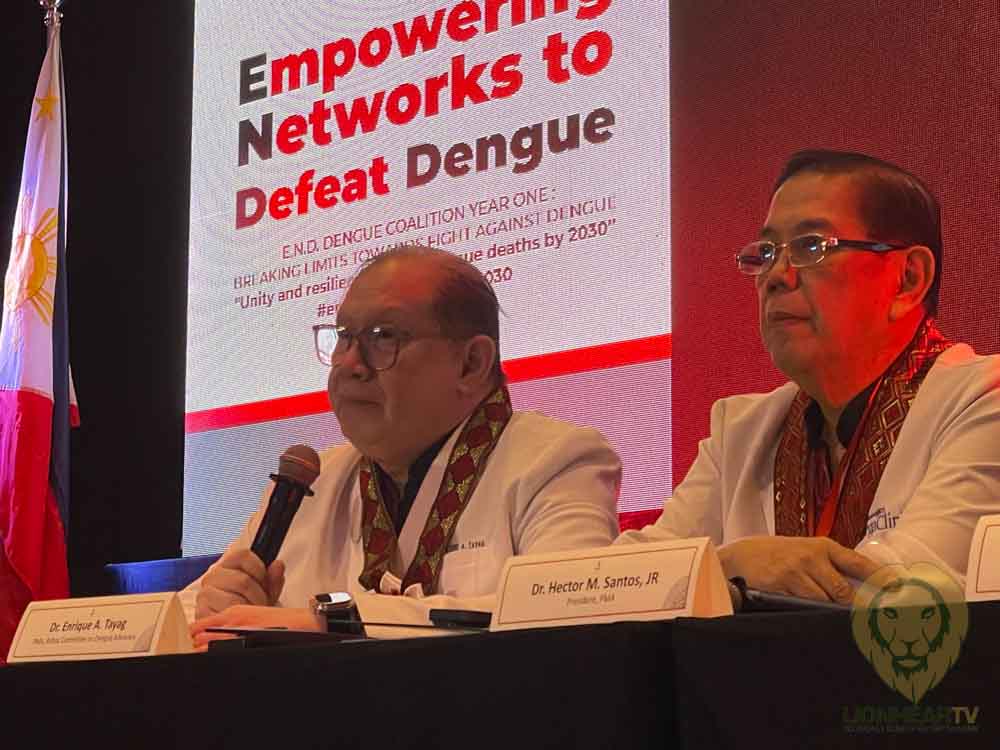
The event gathered medical leaders, advocacy representatives, and media partners to discuss dengue trends, vaccine safety, and coordinated prevention strategies. The program combined an anniversary reflection with urgent public health messaging, underscoring the continued threat of dengue in the Philippines.
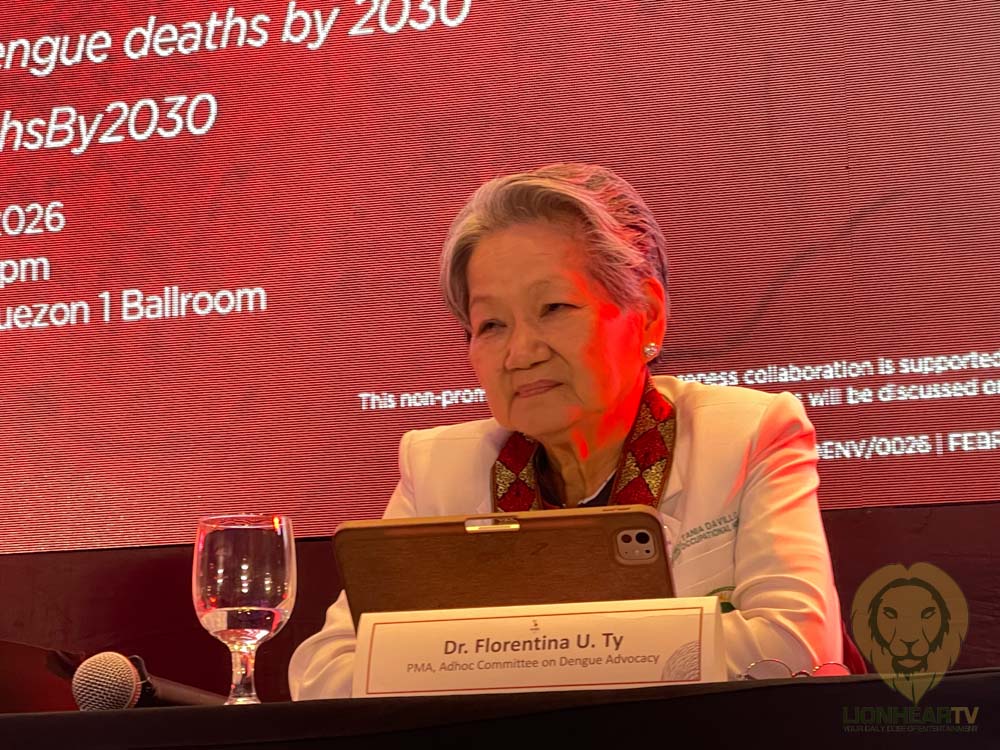
During the media roundtable, representatives from the PMA expressed alarm over reports of fake and unregistered dengue vaccines being sold outside approved distribution channels. Medical experts stressed that such products bypass regulatory evaluation and may pose serious health risks.
Attention was drawn to the enforcement efforts of the Food and Drug Administration – Philippines (FDA), which has intensified actions against illegal sellers of unlicensed health products. The crackdown was described as a necessary step to protect the public from unsafe medical interventions and misinformation-driven purchases.
Health leaders reiterated that protection against dengue must always follow established scientific standards and government-approved regulatory processes. The emphasis remained on safety, compliance, and evidence-based practice.
Data discussed during the conference highlighted the continuing impact of dengue nationwide. Surveillance figures from the Department of Health – Philippines (DOH) showed a notable decline in cases this January compared to the same period last year. Despite this reduction, health officials cautioned that case numbers remain significant relative to regional neighbors.
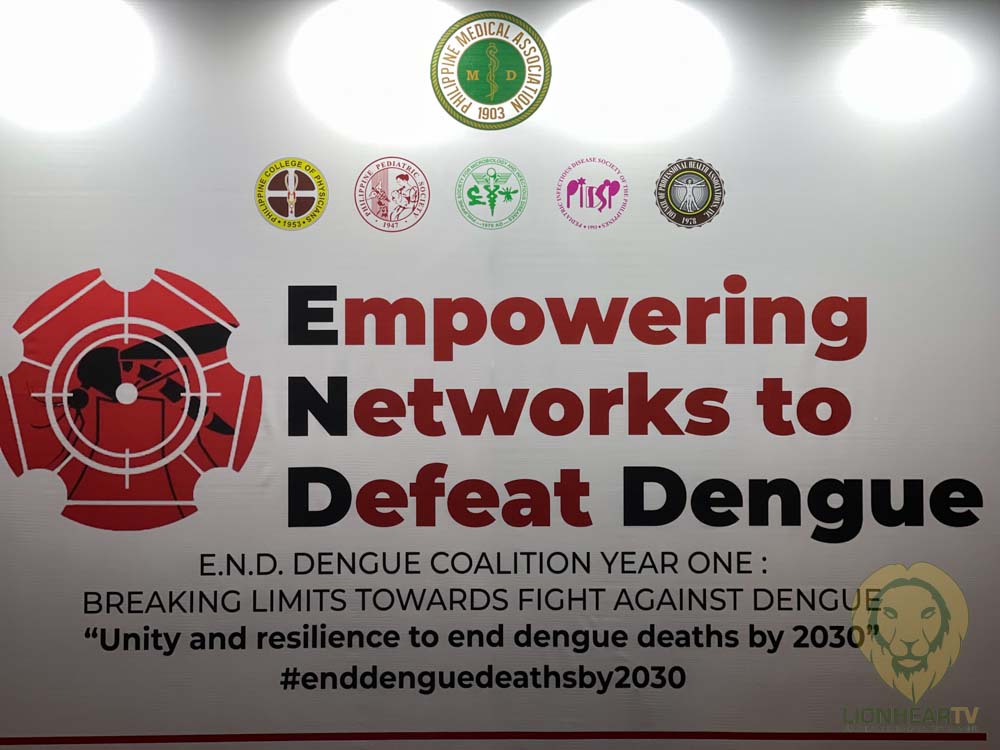
Comparative statistics referenced from the Asia Dengue Voice and Action Group indicated that the Philippines continues to report higher dengue cases and deaths than several Southeast Asian countries during comparable periods. These figures reinforced the urgency of sustained prevention efforts.
Medical experts also highlighted that dengue transmission is no longer confined to the rainy season. Environmental changes, urban density, and climate-related factors contribute to year-round risk. Continuous surveillance, early diagnosis, and community engagement were emphasized as essential components of disease control.
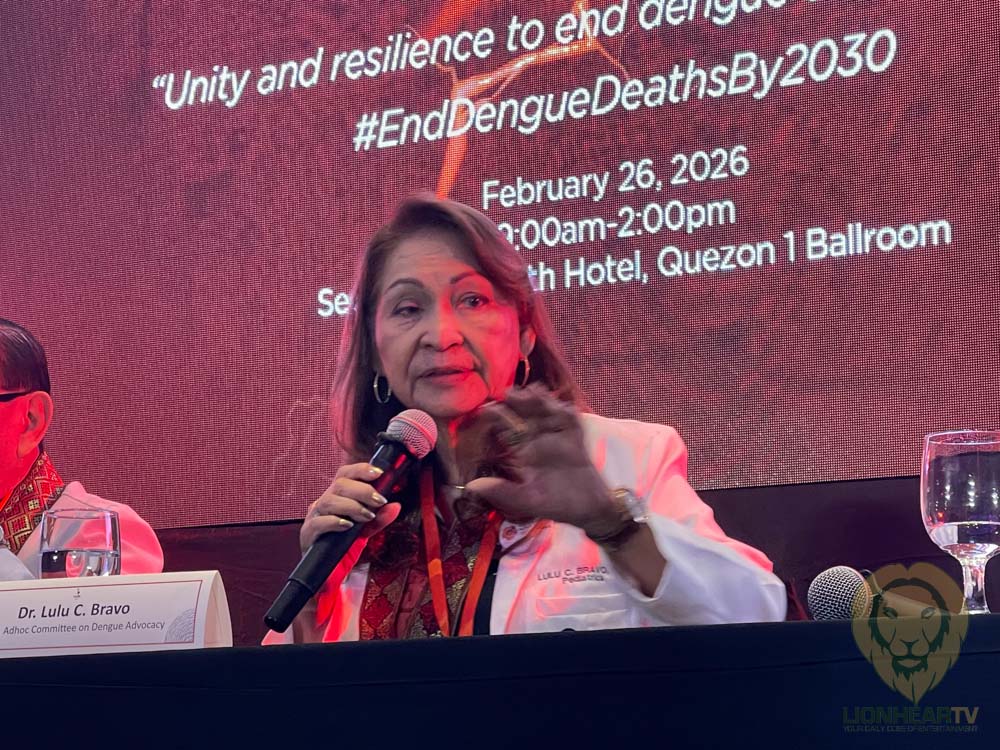
The anniversary program spotlighted the coalition’s structured framework built on five pillars designed to support long-term reduction of dengue cases:
- Global and Local Epidemiology and Threat—Encouraging accurate, transparent, and timely data reporting across sectors.
- Vector Control—Strengthening mosquito control measures to reduce transmission.
- Clinical Management – Supporting unified and updated clinical guidelines for prevention and treatment.
- Dengue Vaccine Development—Promoting responsible research, accessibility, and regulated distribution of safe vaccines.
- Communication and Advocacy—Countering misinformation while advancing public education and awareness campaigns.
This framework aligns with the global call to action of the World Health Organization (WHO), which aims to significantly reduce dengue deaths by 2030 through collaborative international efforts.
PMA leaders reaffirmed their commitment to working alongside partner organizations, healthcare professionals, and advocacy networks to reduce the national dengue burden. The coalition’s manifesto calls for unity, resilience, and stronger collaboration in communities across the country.
The event focused primarily on policy alignment, education, and public awareness. No competitive awards, winners, or prize distributions were announced during the press conference. Instead, the gathering served as a platform for renewed commitment, data-driven discussion, and coordinated action.
Health professionals present at the event reiterated the importance of recognizing early warning signs of dengue, including persistent fever, severe headache, muscle and joint pain, rash, and other symptoms requiring immediate medical attention. Community-based prevention measures, such as eliminating stagnant water and supporting local vector control initiatives, were highlighted as critical interventions.
Communication efforts under the coalition’s advocacy pillar aim to strengthen vaccine confidence while addressing misinformation surrounding dengue prevention products. Experts stressed that informed decision-making, guided by regulatory approval and clinical evidence, remains central to safeguarding public health.
As E.N.D. Dengue enters its second year, and the coalition continues to promote collaborative strategies anchored in science, education, and responsible health practices. The anniversary press conference at Seda Vertis North marked both reflection and renewed urgency—reinforcing the shared objective of reducing dengue cases and preventing avoidable deaths.
With dengue remaining a persistent national concern, sustained cooperation among medical institutions, government agencies, advocacy groups, and communities is positioned as the foundation for long-term progress toward a safer, healthier future. (with reports from Lau Balocos)
