


Joel Cruz has always been a man of many ventures.
The man who built the Philippines’ most ubiquitous fragrance brand from the ground up — with over 500 stores nationwide, distribution in 20 countries, and a loyal following that spans generations — is now setting his sights on a new horizon: Japan.

“I really love Japan,” Cruz told LionhearTV, with a warmth that made it clear this isn’t just a business calculation. “It’s a first-world country. I can see the difference between a third-world country and Japan.”
The contrast, for Cruz, is visceral. On the morning of his interview, he passed through Araneta Avenue in Quezon City and was visibly distressed by the amount of garbage on the streets. “I’m not saying this as just a story — I saw it talaga,” he said. “In Japan, wala akong makitang a single kalat.” The comparison wasn’t meant as a condemnation of Filipino people, but a call to action. “Wag tayong magpa-disiplina kapag nandoon tayo sa ibang bansa. Mag-disiplina tayo dito sa bansa pa lang natin.” Cruz has already begun implementing Japanese waste-segregation practices in his own company and household, a small but intentional step toward a culture shift he clearly believes is possible.
It is that disciplined, orderly way of life that drew Cruz to not just visit Japan, but to put down roots. He now owns a house and land there, and is embracing the local rhythm — including driving strictly by traffic rules, something he notes with quiet admiration. “Kahit naka-stoplight ka ng two minutes, you really have to stop.”
But Cruz is not in Japan simply for lifestyle. His ambitions there are multifaceted and still taking shape. The most immediate venture is real estate. Cruz has spent the past seven years building a real estate portfolio in Southern California, where he owns approximately six multi-unit buildings — three-storey structures each housing between 21 to 23 tenants. “It’s doing good in California,” he said, “so I would love to try it in Japan.” The appeal is partly geographic: Japan is only three to four hours from Manila by air, compared to the 13 to 14-hour flight to Los Angeles, making it far easier to manage and visit.
Beyond real estate, Cruz envisions launching personal care and fragrance products in Japan, tailored to Japanese consumers. He also has his eye on the café sector. “They love to drink coffee,” he said of the Japanese market, “and I have Filipino friends in Japan who are concocting coffee from South America — Colombia, Argentina, Costa Rica — and it’s masarap.” He sees an opportunity to bring that Filipino-crafted coffee experience into the Japanese market, even as he acknowledges the challenge. “It’s very competitive in Japan. There are millions of business establishments. Lalaban lang kami, as a Filipino, na makilala din doon.”
The timeline, however, requires patience — something Cruz is learning to practice in the Japanese way. “We are coordinating with our Japanese lawyer. Medyo tedious talaga — matagal. We’ve been coordinating for two to three months, pero hindi pa nagsta-start.” Licenses, permits, legal compliance — everything must go through the proper channels. “Walang under the table,” he said plainly. “They are so disciplined.” He estimates it will take roughly a year before the business formally begins operations.
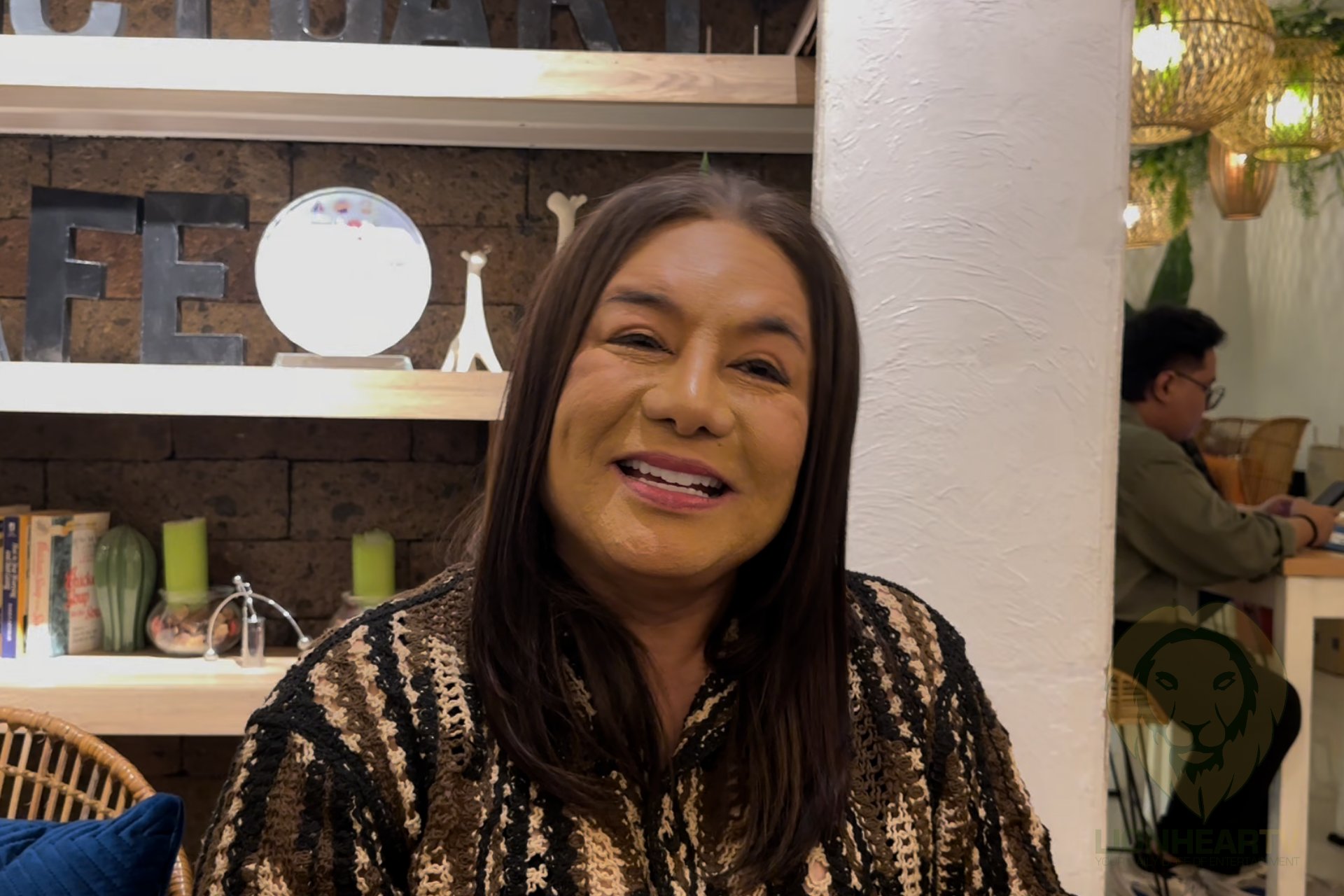
In many ways, Cruz’s Japan venture is a reflection of the same values that built Aficionado: a willingness to invest in quality, a respect for process, and a long-term vision that doesn’t cut corners. Whether it’s sourcing fragrance oils exclusively from European suppliers despite the cost, or waiting patiently for a Japanese business license rather than seeking shortcuts, Joel Cruz operates with a consistency of character.
He has built a fragrance empire that reaches 20 countries, from the UAE to Canada to Italy, carried largely on the shoulders of OFWs who brought their pabango with them across the world. Now, he is building something new — not for the Filipino diaspora, but for the Japanese themselves. It is, in its own way, a new kind of Filipino pride: not just surviving in a first-world country, but belonging to it, contributing to it, and learning from it.
Japan, for Joel Cruz, is not just a business plan. It is a statement of intent.
