
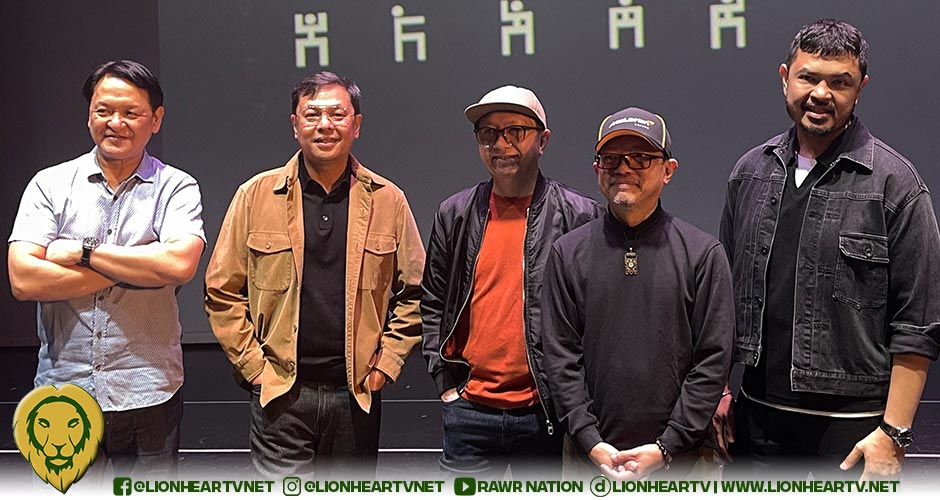

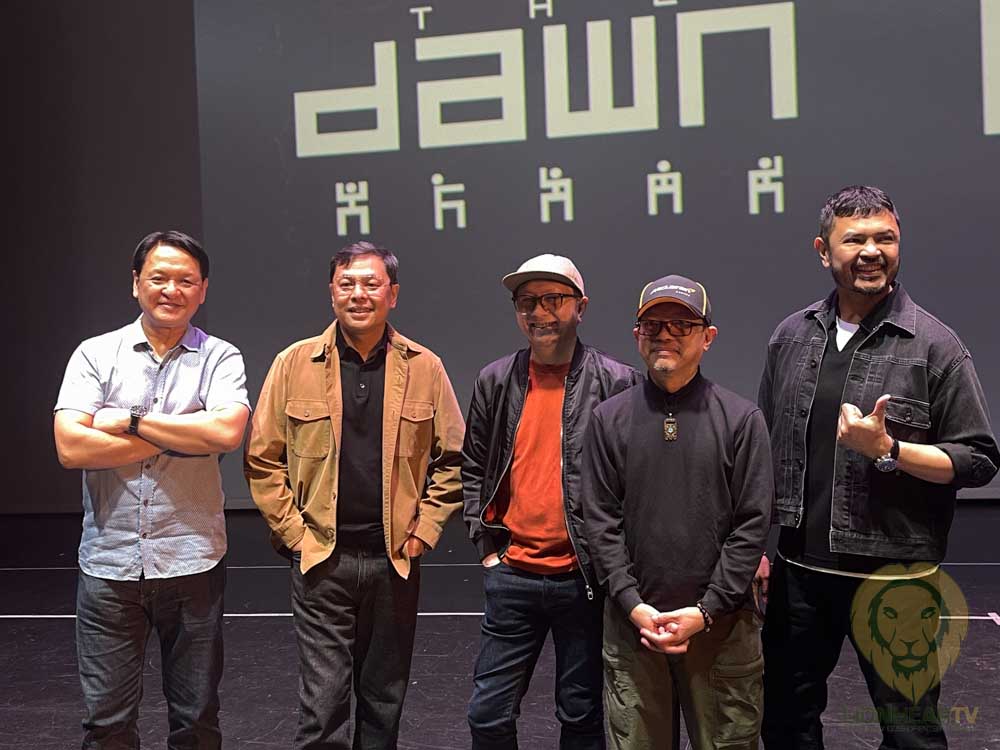
“Kwarenta,” the 40th anniversary concert of The Dawn, took place on June 27, 2026, at The Theatre at Solaire, bringing together the band’s current lineup led by Jet Pangan, with musical direction and staging helmed by Paolo Valenciano, in a large-scale production that celebrated four decades of influence in the Filipino music scene.
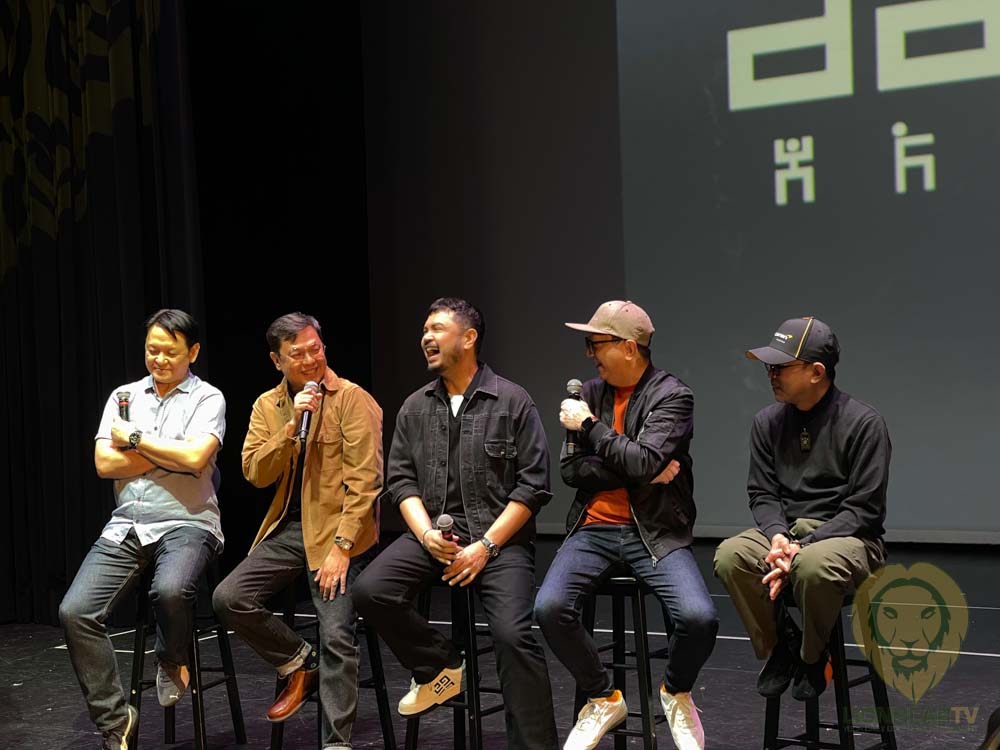
From the moment the theater opened its doors at 6:00 PM, the atmosphere carried a sense of occasion rarely matched by standard concert programming. Audiences arrived not merely as spectators but as participants in a shared cultural memory. Conversations in the lobby reflected a wide span of personal timelines—stories of vinyl records, cassette-era discoveries, campus performances, and digital rediscoveries—each tied to the enduring catalogue of The Dawn.
The transition into the main show at 8:00 PM was deliberate and immersive. The stage design immediately signaled the scale of the production: expansive LED backdrops, layered lighting architecture, and a fluid set configuration that adapted seamlessly across eras. Under the direction of Paolo Valenciano, the visual language leaned into narrative cohesion rather than spectacle alone, allowing each segment of the performance to function as a chapter in a larger story.
Musically, “Kwarenta” moved with intention. The setlist traced a career arc beginning with selections from the band’s 1987 self-titled debut, progressing through defining albums, and arriving at later material such as Ascendant (2018). Rather than presenting a straightforward “greatest hits” format, the arrangements were reworked to reflect both growth and reinterpretation. Familiar tracks carried new textures—extended instrumental passages, restructured intros, and dynamic shifts that reframed well-known melodies.
At the center of the performance, Jet Pangan delivered a vocal presence that balanced power with restraint. Each song carried a distinct emotional register, shaped not only by vocal delivery but also by pacing and staging. Spoken interludes were measured and reflective, grounding the performance in gratitude without disrupting its momentum.
Signature songs such as “Enveloped Ideas,” “Salamat,” and “Iisang Bangka” emerged as key moments of collective engagement. Audience response moved beyond applause into full participation, with entire sections singing in unison, transforming the theater into an extended chorus. These sequences underscored the cultural permanence of the band’s work—songs no longer confined to recordings but embedded in lived experience.
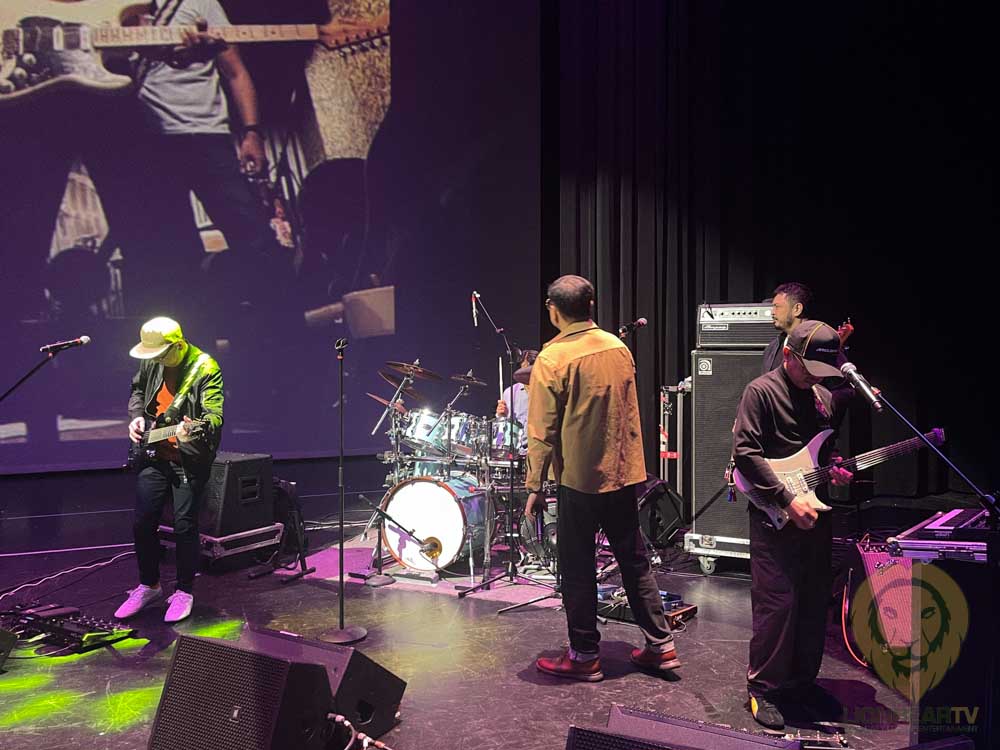
Instrumentation played a crucial role in sustaining the concert’s emotional range. Guitar work from Francis Reyes introduced both precision and expressive depth, particularly in extended solos that acted as musical bridges between eras. Rhythm sections remained tight and responsive, allowing for seamless transitions between high-energy segments and more introspective passages.
Acoustic reimaginings provided contrast within the program. Stripped-down arrangements shifted the focus toward lyrical content and melodic structure, offering a quieter but equally impactful counterpoint to the larger production numbers. These moments highlighted the durability of the band’s songwriting, demonstrating how compositions retained their resonance even in minimal form.
The concert also acknowledged its historical foundations with care and intention. References to founding guitarist Teddy Diaz were integrated into the program through visual cues and tonal shifts rather than overt exposition. This approach allowed legacy to be honored without interrupting the forward momentum of the performance.
As the program progressed, the pacing tightened, building toward a closing sequence that emphasized continuity rather than conclusion. Lighting design intensified, arrangements grew more layered, and audience engagement reached its peak. The final numbers carried a sense of culmination while simultaneously suggesting ongoing relevance.
Production values remained consistently high throughout the evening. Sound engineering ensured clarity across both full-band and acoustic segments, while visual elements complemented rather than overshadowed the music. Every technical component—from stage transitions to lighting cues—contributed to a cohesive and immersive experience.
@lionheartv Hearing “Enveloped Ideas” live just hits different. #TheDawn #TheDawnPH #LionHearTV #RawrNation @The Dawn ♬ original sound – LIONHEARTV
Following the main program, the evening continued with an exclusive after-party for select attendees at 11:00 PM, reinforcing the celebratory nature of the milestone. Beyond the venue, the announcement of additional international tour dates in Australia, New Zealand, and Singapore signaled that “Kwarenta” functions not only as a retrospective but also as a continuation of the band’s global engagement.
Ultimately, “Kwarenta” stood as a comprehensive portrait of The Dawn—a band shaped by evolution, sustained by audience connection, and defined by its ability to remain relevant across shifting musical landscapes. The concert did not rely solely on nostalgia; instead, it recontextualized four decades of music within a present-day framework, affirming its place in both history and ongoing cultural discourse.
In a music industry marked by rapid turnover and fleeting trends, the significance of a 40-year milestone extends beyond longevity. “Kwarenta” demonstrated that endurance, when paired with reinvention and authenticity, can produce not only survival but sustained impact. This enduring resonance continues to fill venues, unite audiences, and define generations. (with reports from Lau Balocos)
