


For decades, the Filipino leading man was carved from the same stone: brooding, stoic, emotionally unavailable—and almost always shirtless. He was the protector, the pursuer, the patriarch-in-training. He didn’t cry unless someone died. Vulnerability? That was reserved for the comic relief or the tragic best friend.
But something seismic is shifting. Soft masculinity is no longer a whisper—it’s a roar. And it’s reshaping the Filipino mainstream with tenderness, nuance, and radical emotional clarity.
Take Donny Pangilinan in Can’t Buy Me Love. He’s not the swaggering alpha. He’s gentle, awkward, emotionally expressive—a male lead who listens more than he speaks, who blushes, who asks for consent. In a recent stint on Pinoy Big Brother, Donny delivered handwritten letters to housemates, modeling emotional labor with grace. That’s not weakness. That’s evolved masculinity.

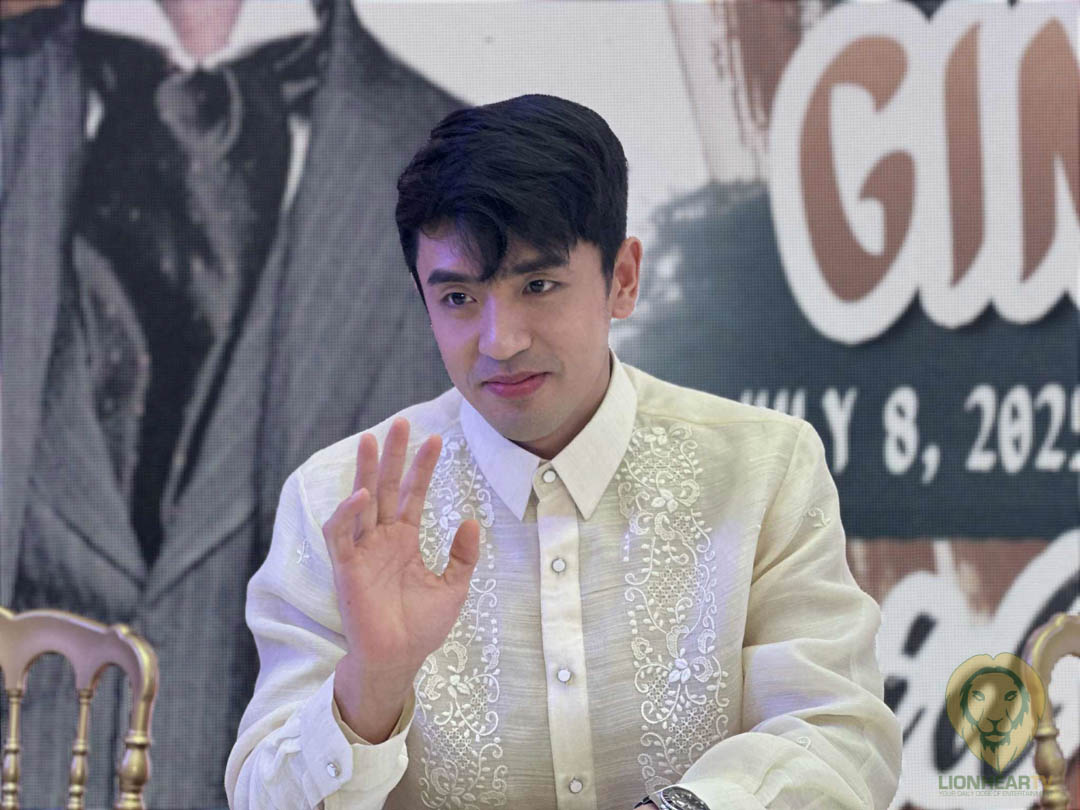
Or look at David Licauco in Maria Clara at Ibarra. Dubbed the “Pambansang Ginoo,” David’s portrayal of Fidel—a respectful, introspective, quietly romantic man—captivated audiences not with bravado, but with emotional restraint and moral clarity. His rise coincides with a growing appetite for male characters who nurture instead of dominate.
Even action titan Coco Martin, long associated with gritty roles in Ang Probinsyano, has begun showing cracks in the armor. His recent performances reveal emotional depth, grief, and vulnerability—a far cry from the invincible vigilante archetype. And Joshua Garcia? Once the charming boy-next-door, he’s now a master of layered vulnerability. In the upcoming Philippine remake of It’s Okay to Not Be Okay, he’s set to portray a character navigating trauma and healing.

So what’s fueling this shift?
Part of it is generational. Gen Z and younger millennials are done with toxic masculinity. They crave emotional intelligence, authenticity, and softness. They want male leads who feel real—who struggle, who grow, who love with tenderness instead of control. And the industry is listening.
Another catalyst is the rise of queer and feminist narratives. As more creators explore gender fluidity, emotional nuance, and power dynamics, the old macho template begins to fracture. We’re seeing male characters who cry, nurture, get rejected—and learn from it. It’s not just refreshing. It’s revolutionary.
But let’s be clear: soft masculinity isn’t weakness. It’s strength redefined. It’s the courage to be kind, the power to be patient, the confidence to be emotionally present. It’s a masculinity that doesn’t need to conquer to be compelling.
And it’s not confined to romance. Soft masculinity is bleeding into every genre. In comedy, drama, fantasy—even horror—Filipino male leads are showing emotional range that was once taboo. They’re crying without shame, loving without control, growing without violence.
Still, resistance lingers. Some critics scoff at soft male leads as “too feminine” or “not aspirational.” Some networks cling to the macho mold, fearing that tenderness won’t sell. But the numbers say otherwise. Audiences are flocking to characters who feel human, not heroic. Who love gently, not possessively.
And here’s the deeper truth: soft masculinity heals. It models emotional literacy for boys and men. It challenges harmful norms. It creates space for healthier relationships, safer communities, and richer storytelling. In a country where machismo has long been glorified, that’s not just a trend—it’s a cultural reckoning.
Even academic studies are catching up. Research on Filipino manhood reveals that traits like loob (inner self) and labas (outer identity) are deeply familial and relational. The rise of soft masculinity isn’t just aesthetic—it’s decolonial. It’s a way of reclaiming Filipino emotional depth from the shadows of Western hypermasculinity.
So let’s celebrate this shift. Let’s write male characters who weep without shame, who love without possession, who fail and rise with grace. Because the future of Filipino storytelling isn’t just about plot twists—it’s about emotional evolution. And soft masculinity is leading the way.
Not with a bang. But with a blush, a tear, and a hand held gently.
