
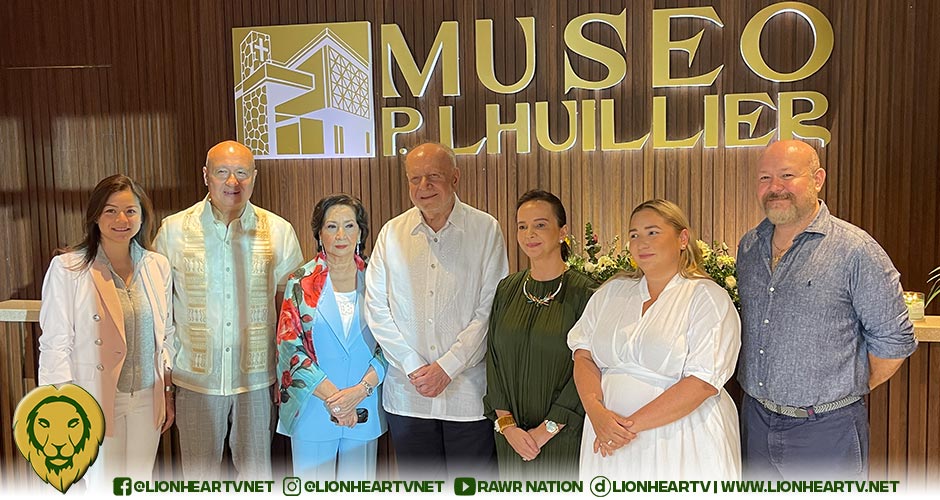

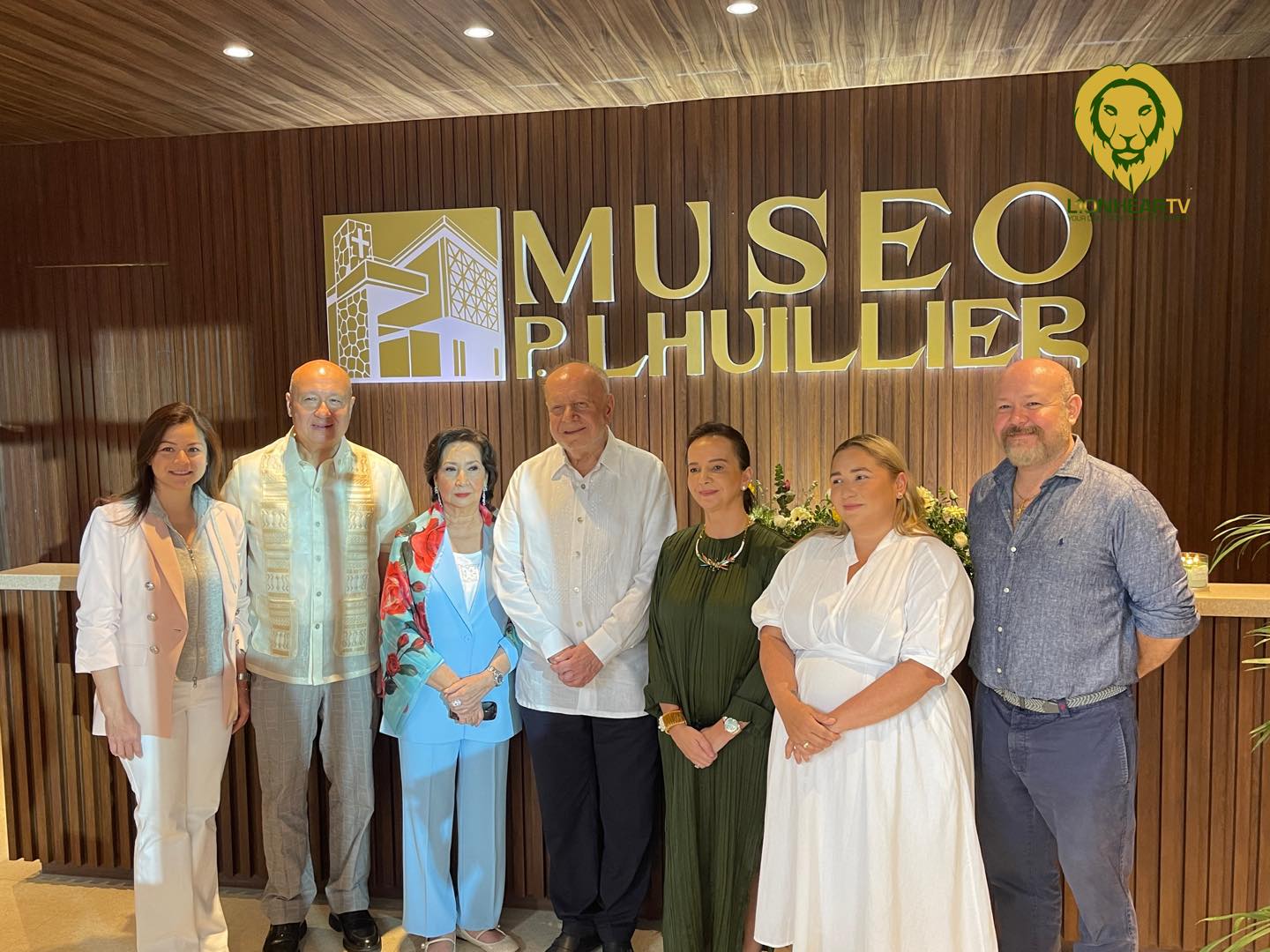
A new cultural and spiritual beacon now rises in Antipolo as Museo P. Lhuillier officially opens its doors—welcoming Filipinos into a world where art, devotion, and history converge. More than a museum, it is a deeply personal legacy of Ambassador Philippe J. Lhuillier, whose decades of diplomatic service around the world shaped a collection unlike any other.
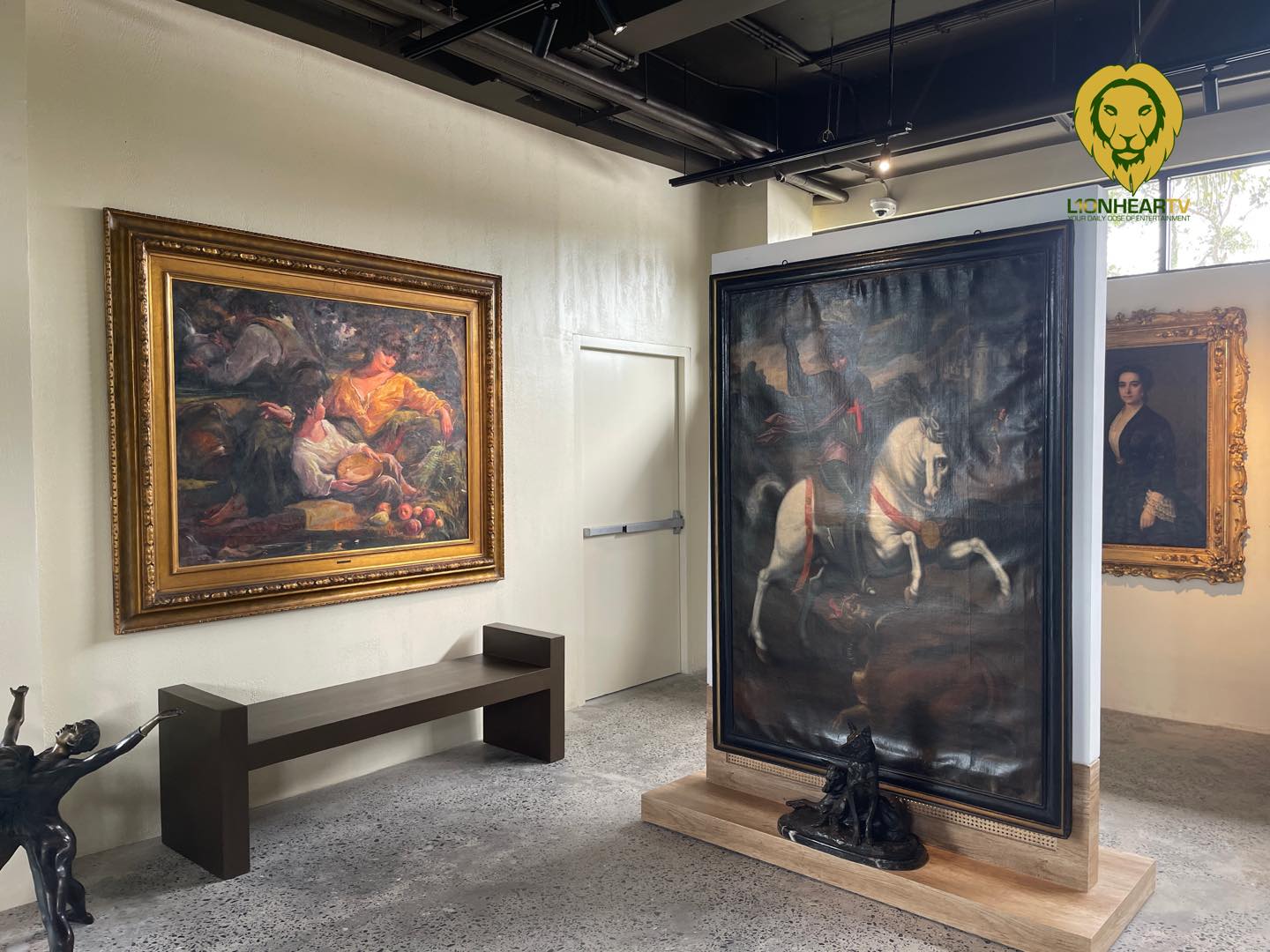
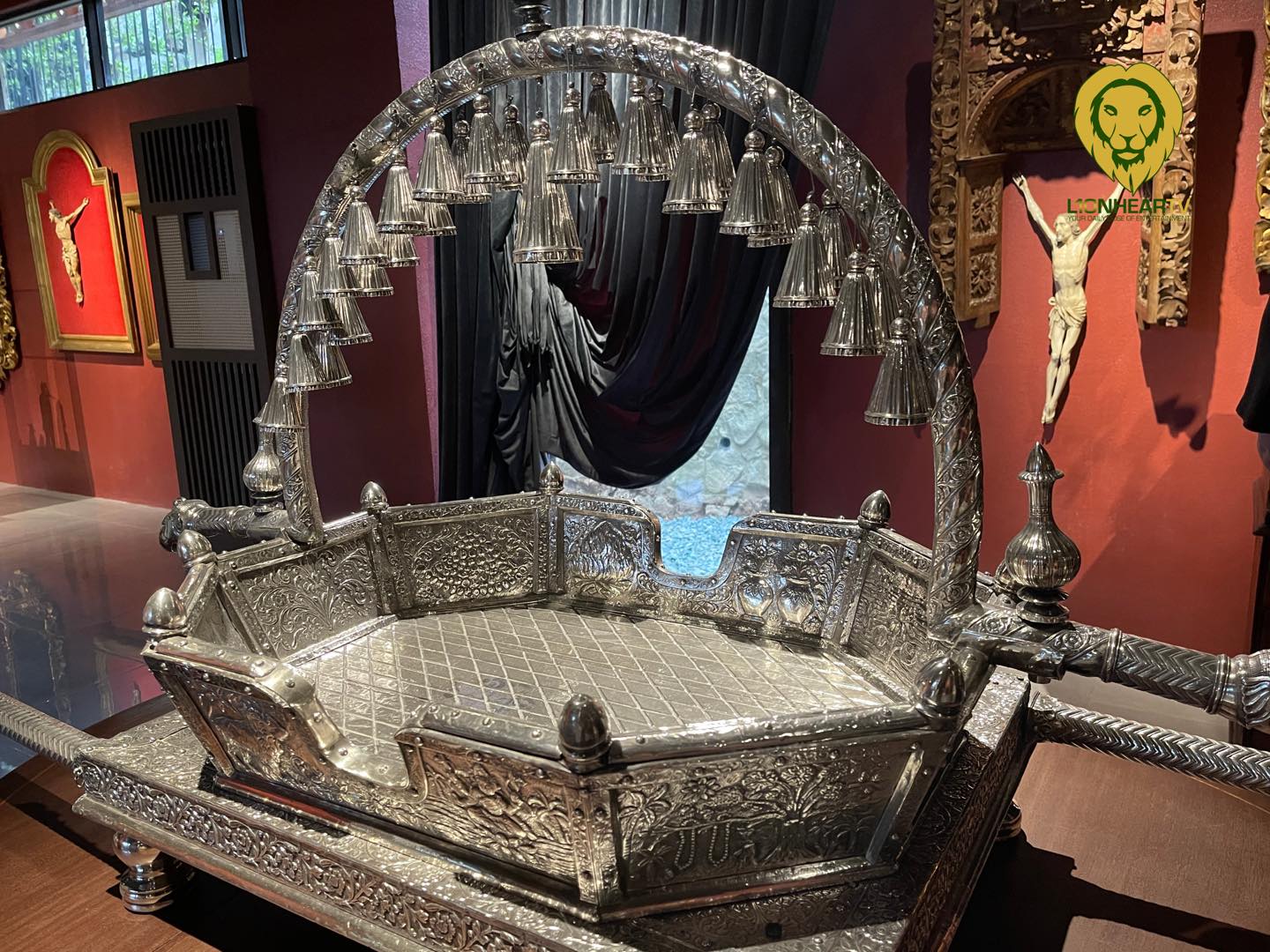
The moment visitors step inside, they enter a serene space that feels both intimate and monumental. Religious artifacts, European antiques, centuries-old paintings, and rare devotional pieces line the galleries—each one echoing stories from the Ambassador’s global journey and his lifelong mission to honor faith, culture, and community.
“It has long been my hope to make these pieces accessible to the Filipino public,” Ambassador Lhuillier shared during the opening. “I want Museo P. Lhuillier to be a place of reflection and discovery—where visitors can connect with stories of faith, heritage, and global tradition.”
The museum was built on a simple belief: heritage gains meaning when shared. And in Antipolo—now emerging as a destination for arts, devotion, and heritage—it finds the perfect home.
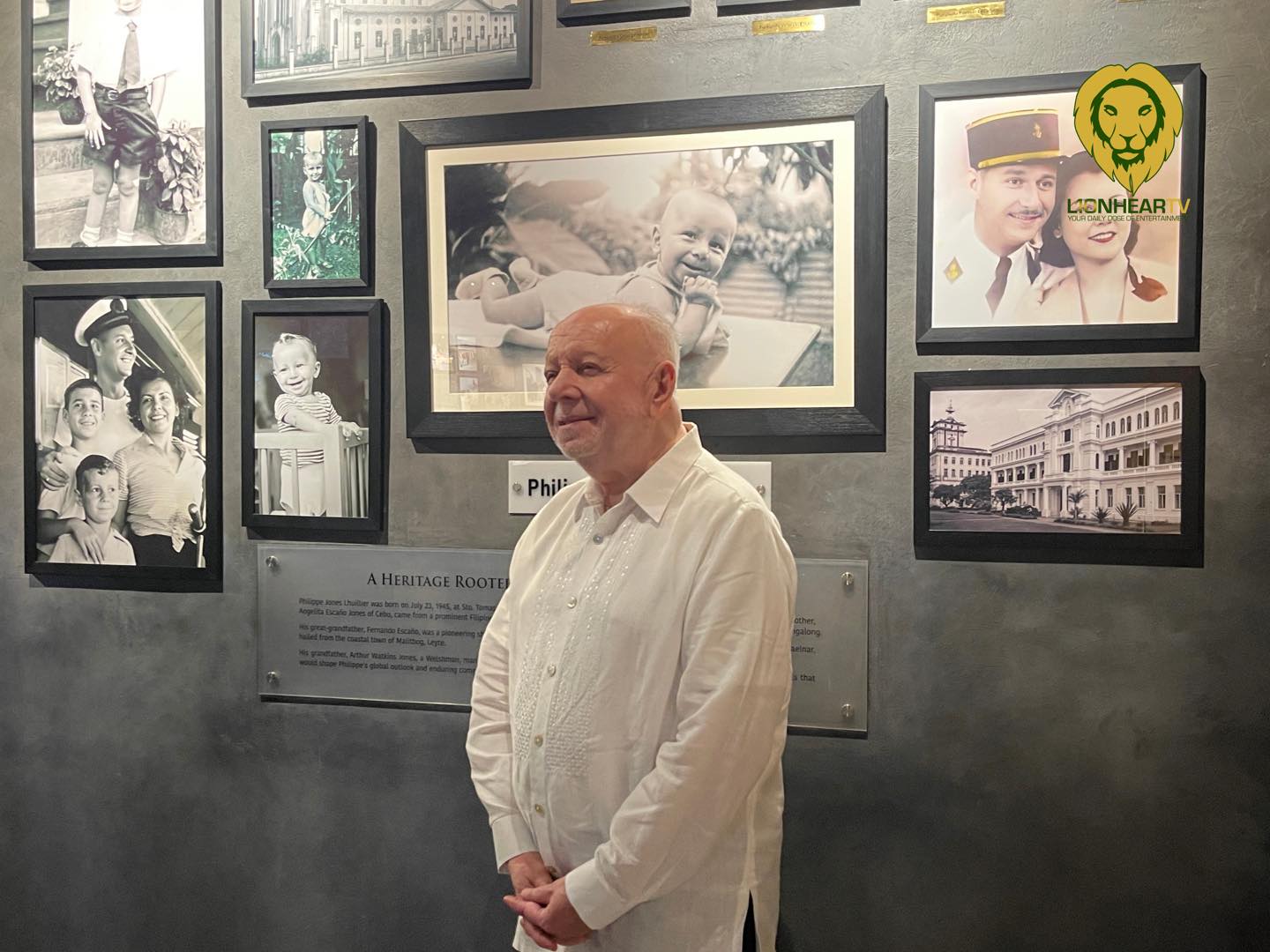
For the Lhuillier family, the museum is both a tribute and a testament.
“My dad has championed the welfare of overseas Filipinos and elevated our culture abroad,” said Jean Henri Lhuillier, President and CEO of Cebuana Lhuillier. “Seeing his impact reflected in this museum is deeply meaningful.”
General Manager Camille Lhuillier-Albani added, “Growing up, we saw how much these pieces meant to him. Sharing them with the public now feels incredibly special.”
What began more than 40 years ago with a single crucifix has grown into one of the most remarkable private religious art collections in the country. Many items—icons, reliquaries, ivory sculptures, vestments, sacred vessels—were carefully safeguarded in Europe before finding their way home.
Each room in Museo P. Lhuillier is a narrative:
- The Religious Collection showcasing masterpieces from the 16th to 18th centuries
- European Antiques & Memorabilia gathered during diplomatic assignments
- Kapilya de Santa Rosa de Lima, a sanctuary for quiet devotion
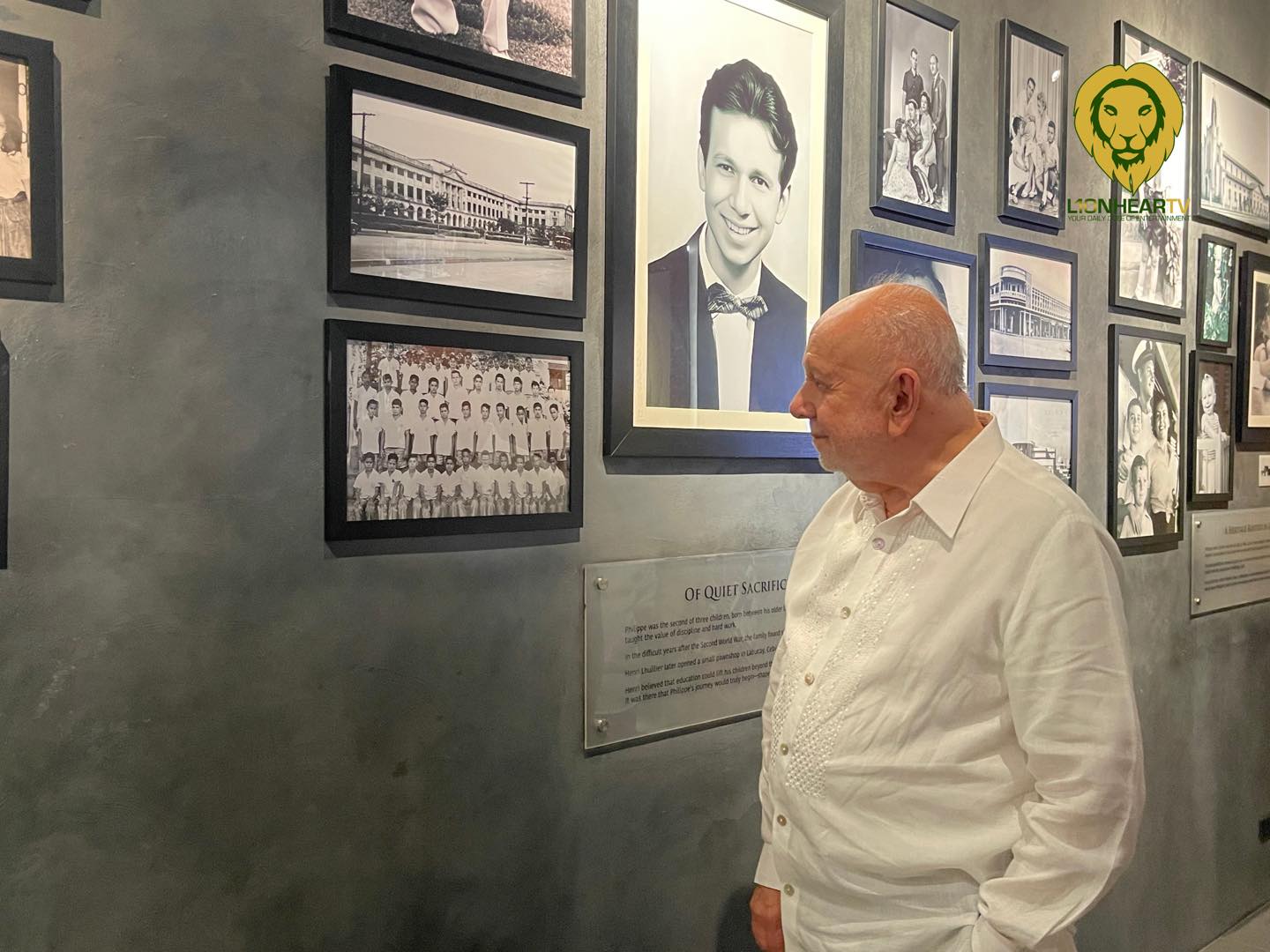
- APJL Hall, capturing highlights from the Ambassador’s diplomatic milestones
- Rotating Pop-Up Galleries that will host seasonal exhibitions and cultural collaborations
Together, they illustrate how Philippine identity continues to converse with global influences—how faith and artistry transcend borders.

The religious art of the Middle Ages, renowned for its craftsmanship and grandeur, reflected a time when the Church wielded power rivaling that of kingdoms. Its creations were both spiritual and cultural markers—artworks that spoke of devotion, tradition, and human longing.
For Filipino Catholics and art lovers who may never travel across Europe, Museo P. Lhuillier offers rare access to these treasures.
“These art pieces need to be shared,” Lhuillier emphasized. “They offer a visible understanding of the people, places, and events that helped shape our faith.”
Among the Ambassador’s favorites: A 16th-century painting of Mary visiting Elizabeth, and an extensive crucifix collection—each Christ figure carved to follow the curvature of ivory tusks.
More than a showcase of art, the museum is a reflection of the Ambassador’s lifelong service to communities in the Philippines and Filipinos worldwide.
Before entering diplomacy, he expanded access to micro-financial services through Cebuana Lhuillier, a mission of upliftment that evolved into wider cultural and philanthropic initiatives.
This spirit of stewardship permeates the museum.
Every gallery invites calm, contemplation, and connection—urging visitors to rediscover stories that shaped both personal faith and collective identity.
With its opening, Museo P. Lhuillier strengthens Antipolo’s growing reputation as a hub where heritage meets global perspective.
Through exhibitions, educational programs, and community engagements, it aims to spark conversations that bridge past and present, deepen cultural appreciation, and celebrate the richness of the Filipino soul.
More than a museum, it is a gift to the nation—one that invites every Filipino to step inside, look closely, and remember. (with reports from Lau Balocos)
