


The media launch of Benilde Open 2026 took place on March 11, 2026, at the 5th Floor Theatre of the Design + Arts Campus of De La Salle–College of Saint Benilde in Manila, bringing together artists, media practitioners, faculty members, and students to introduce the ten official grantees of this year’s program along with two Best of Benilde awardees.
Organized by Benilde as part of its continuing commitment to creative innovation, the launch revealed the 2026 theme, “Extension of Nature,” highlighting artistic projects that explore sustainability, environmental reflection, and the evolving relationship between technology and nature.

Inside the theater of the Design + Arts Campus, the atmosphere reflected both excitement and curiosity. The venue slowly filled with members of the press, creative practitioners, and students eager to witness the unveiling of the projects supported by Benilde Open. Conversations revolved around art, environmental responsibility, and the role of emerging technology in shaping future creative practices. The setting itself—surrounded by design studios and creative spaces—reinforced the event’s spirit of experimentation and innovation.
Benilde Open has become one of the institution’s flagship platforms for supporting contemporary artists and creative researchers. Through grant funding and institutional support, the initiative enables creators to transform ambitious ideas into tangible works that engage audiences with urgent social, cultural, and environmental issues. The theme “Extension of Nature” reflects a growing global conversation about sustainability and encourages artists to explore how human creativity can interact with ecological systems rather than exist separately from them.
The launch program introduced the ten artists and creative groups selected as Benilde Open 2026 grantees, each presenting projects that interpret the theme through diverse disciplines such as installation art, cultural research, speculative design, and environmental storytelling.
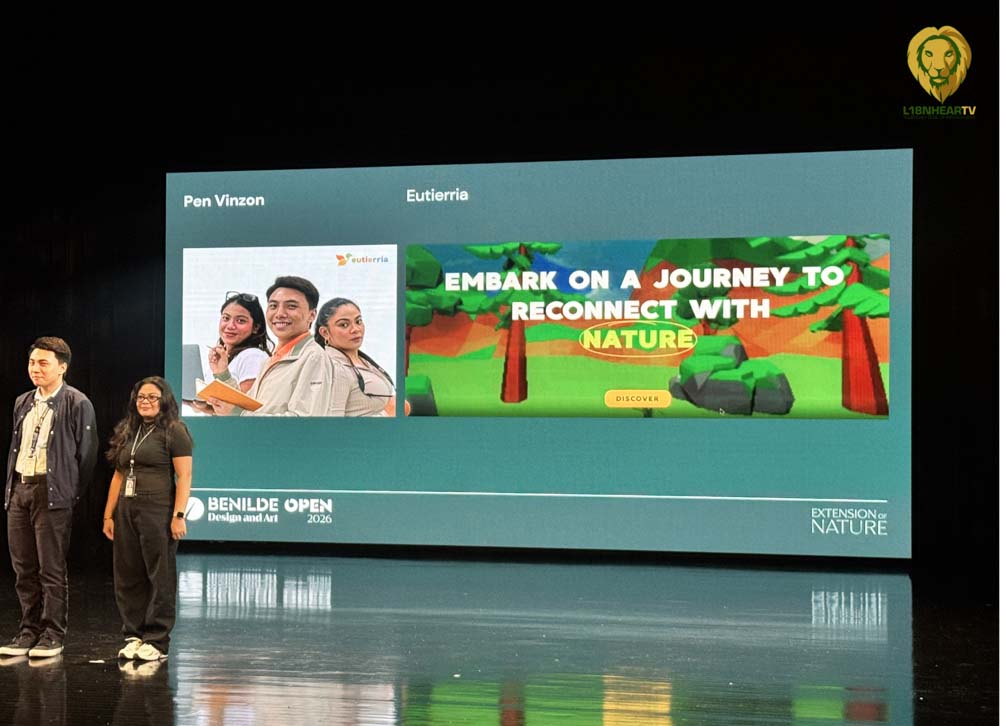
Among the featured grantees was Karl Castro, whose project “Locus Pocus: Kinetic Social Infrastructures for Rest and Collective Care” examines how public spaces can be transformed through interactive structures designed to encourage rest, reflection, and communal interaction. The work proposes a vision of urban design where movement and care coexist within shared environments.
Artists Kiri Dalena and Ben Brie presented their collaborative project titled “Common Ground,” which reflects on shared ecological and cultural spaces. The project investigates how communities can reconnect with land and environment through creative dialogue and participatory art practices.
A more satirical and narrative-driven concept was introduced through Mac Andre Arboleda’s “Nutrition Month (Presented by Mayor Alice Guo),” which blends commentary on public messaging with contemporary visual storytelling. The project uses humor and symbolism to examine how institutional narratives shape public perception.

Environmental speculation also formed a major theme in Nicole Racal’s project “What If Snow Falls in the Philippines.” The work imagines a scenario where dramatic climate shifts transform the tropical landscape. Through this speculative approach, the project invites reflection on climate change and the fragility of natural systems.
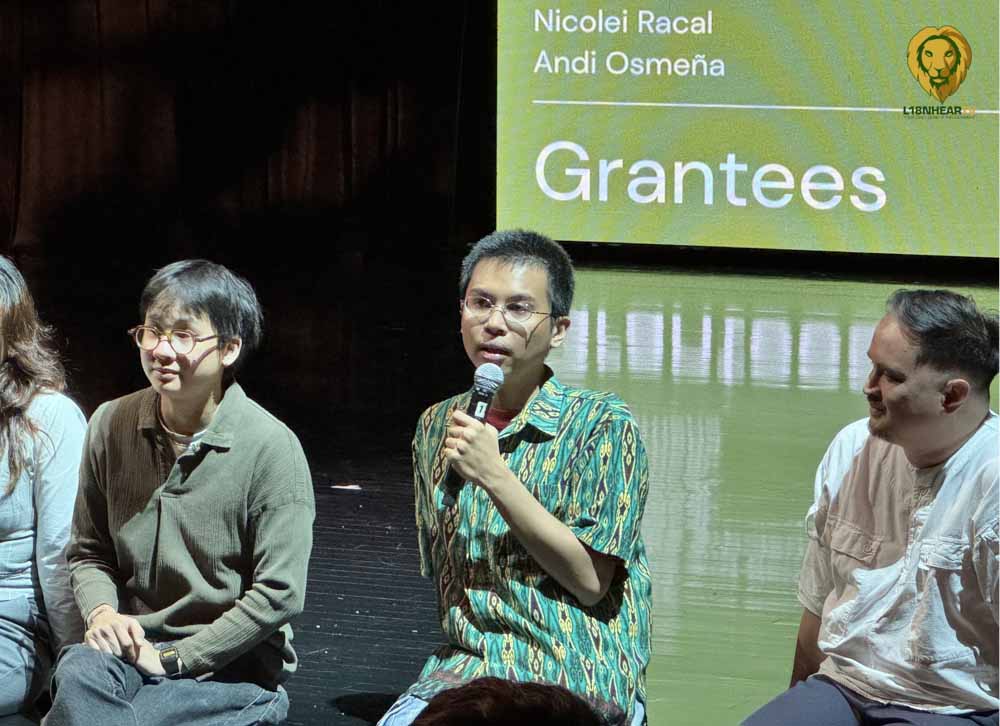
Urban sustainability and material consumption were explored through Andi Osmeña’s project “Waste of Space.” The work confronts issues of environmental waste and neglected urban environments, transforming discarded materials into artistic commentary on consumption and responsibility.
Research-driven design appeared prominently in Studio Unosinotra’s “Atlas of Water Futures,” which examines the future of water resources through mapping, data visualization, and speculative design. The project raises questions about water security and environmental resilience in the face of climate challenges.
Cultural traditions also took on innovative forms within the exhibition lineup. Bianca Carangue’s “Technospoonism: Wearable Cutlery for a Reimagined Kamayan” reinterprets the Filipino communal dining practice of kamayan through wearable utensils that combine technology, design, and heritage. The concept encourages reflection on how traditional practices can evolve alongside modern innovations.
Memory and nostalgia emerged as themes in Niño Tayo’s project “Dati Rati,” which explores personal and collective recollections within Filipino cultural identity. Meanwhile, Mikael Joaquin’s “The Memory of Flood” investigates how natural disasters shape community narratives, drawing inspiration from recurring floods experienced in many Philippine regions.
Completing the list of Benilde Open grantees was Krisher Appay, whose project “A Cultural Revival of the Tausug Lulu Giyuting ‘Tree of Life’” focuses on reviving a traditional Tausug embroidery motif known as the Lulu Giyuting. By reintroducing this intricate design into contemporary art and fashion contexts, the project highlights the importance of preserving indigenous craftsmanship and cultural memory.
In addition to the ten selected grantees, the launch also celebrated two Best of Benilde 2026 projects created by students of De La Salle–College of Saint Benilde. These recognitions demonstrate the institution’s dedication to nurturing emerging creative voices within its academic community.
Beyond the artistic presentations, the event also reflected Benilde’s commitment to interdisciplinary collaboration. Faculty members and students from the Benilde School of Hotel, Restaurant, and Institution Management (SHRIM) prepared the lunch served during the event. Guests were treated to a carefully crafted Japanese bento set wrapped in traditional furoshiki cloth, an environmentally conscious packaging method that aligned with the theme of sustainability.
The lunch presentation itself became part of the event’s storytelling, illustrating how culinary arts, design, and sustainability can intersect within everyday practices. The use of reusable cloth wrapping symbolized the broader environmental values that many of the featured projects seek to address.
Throughout the media launch, the sense of creative possibility remained strong. Each project introduced during the program demonstrated a different way of interpreting the relationship between human innovation and the natural world. Some works approached the theme through scientific research and design, while others relied on storytelling, cultural memory, or speculative imagination.
As Benilde Open continues into its next phase, these projects will develop into installations, exhibitions, and public engagements that invite audiences to experience the ideas firsthand. The platform continues to position itself as a catalyst for creative experimentation in the Philippines—one that encourages artists to tackle complex questions about environment, identity, and the future.
The unveiling of the Benilde Open 2026 grantees ultimately served as more than just an announcement of artistic projects. It became a celebration of how Filipino creativity can respond to contemporary global challenges while remaining deeply connected to culture, community, and nature. Through initiatives like Benilde Open, the creative sector continues to expand the possibilities of art as a space for dialogue, reflection, and sustainable innovation. (with reports from Aldrine Benitez)
