


As Fire Prevention Month begins this March, the Bureau of Fire Protection (BFP) warned the public that March, April, and May remain the most fire-prone months nationwide, urging Filipinos to treat fire safety as a daily responsibility.
Data show that in Metro Manila, fire incidents peak in March and April, while April consistently records the highest number of fires across the country.
Densely populated areas in the National Capital Region, particularly communities with informal settlements, continue to face the highest fire risks. Over the past five years, 2024 recorded the highest number of fire incidents at 22,301, with April alone accounting for 3,994 cases. In comparison, 2025 logged 16,228 incidents, while 2021 recorded the lowest at 12,812.
The BFP identified several barangays in Metro Manila as among the most fire-prone, including Barangay Payatas in Quezon City, Baseco Compound in Manila, Bagong Silang in Caloocan, the Maricaban area in Pasay, Barangay Western Bicutan in Taguig, and Barangay Tejeros in Makati.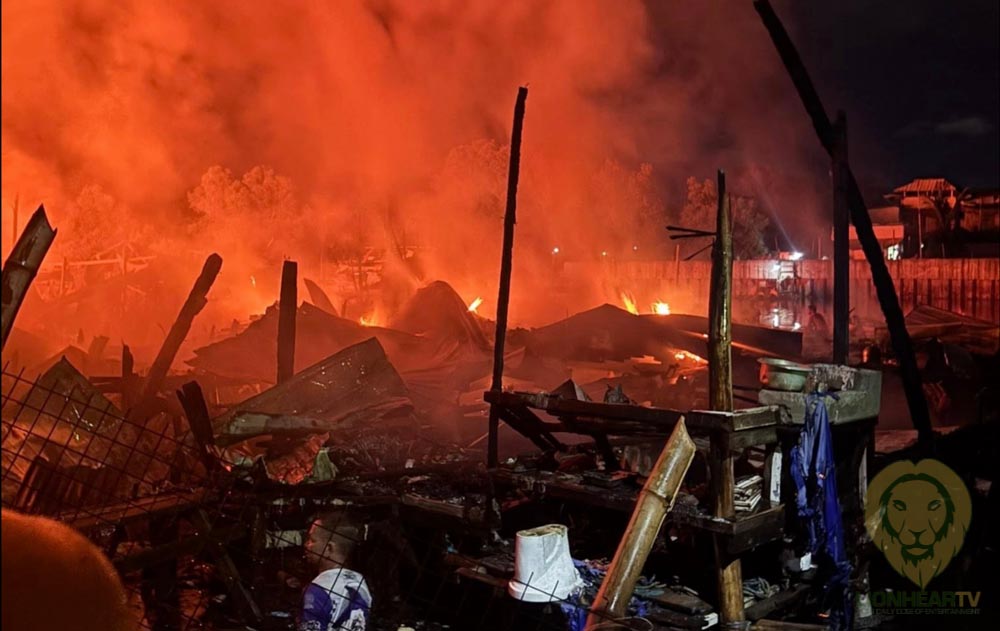
“Fires don’t start big,” said the BFP. “They grow exponentially, doubling in size every 30 seconds. The first minutes of a fire are crucial, and the proper relay of complete and accurate information can make all the difference in emergency response.”
The BFP also highlighted the impact of the Unified 911 system, launched last September, which now allows the public to report emergencies through a single number. Fire, police, medical, and disaster incidents are routed through an integrated network linking the BFP, the Philippine National Police, the Bureau of Jail Management and Penology, medical services, and local governments.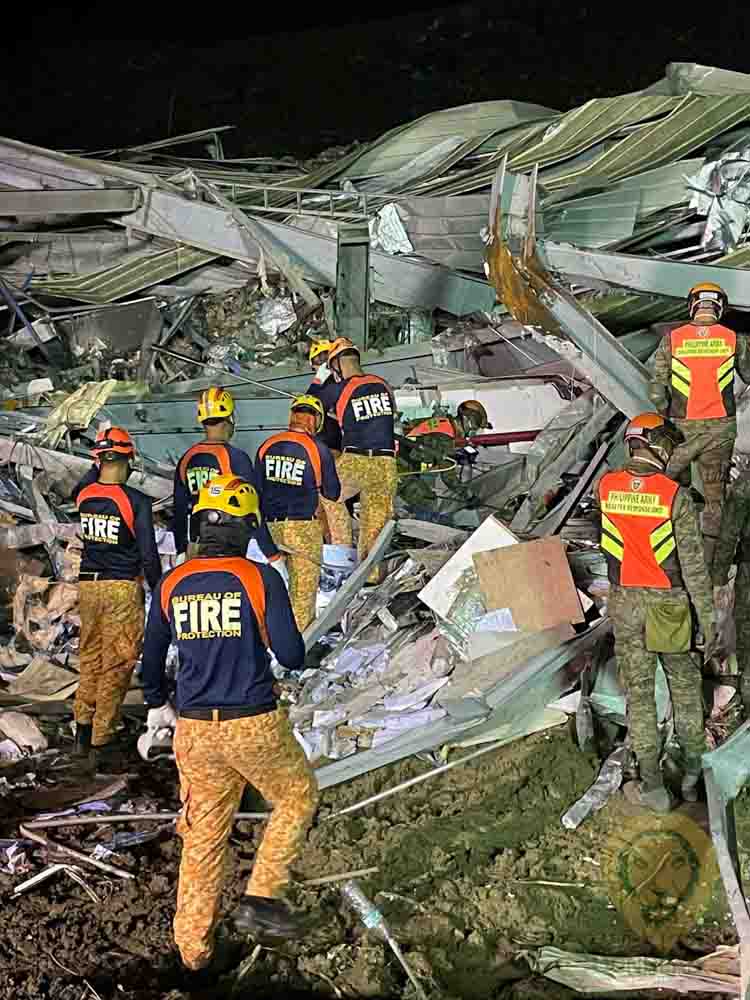
“Before the E911 system, the public had to remember multiple numbers. Now, one call to 911 can summon help immediately,” the BFP added. “The faster the call reaches responders, the greater the chance of saving lives and property.”
To reduce fire risks during the hot summer months, the BFP urged the public to remain vigilant by closely monitoring heat sources, avoiding unattended stoves and open flames, checking electrical systems for overloaded outlets and exposed wiring, practicing safe smoking habits, addressing malfunctioning appliances promptly, and preparing clear fire escape plans at home and in workplaces.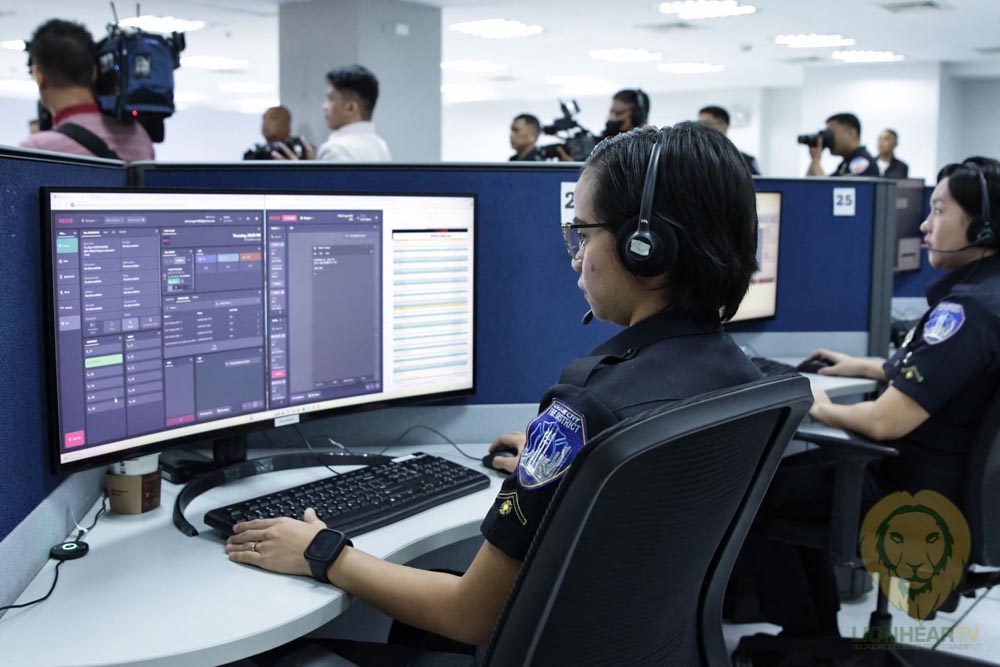
With the support of the Unified 911 system, the BFP noted that average nationwide response time to fire emergencies has improved to approximately 3 to 4.5 minutes, made possible by centralized dispatch, GPS-based caller location, and stronger inter-agency coordination.
The BFP stressed that while faster response saves lives, prevention remains the strongest defense, especially as the country enters the most fire-prone months of the year.
