
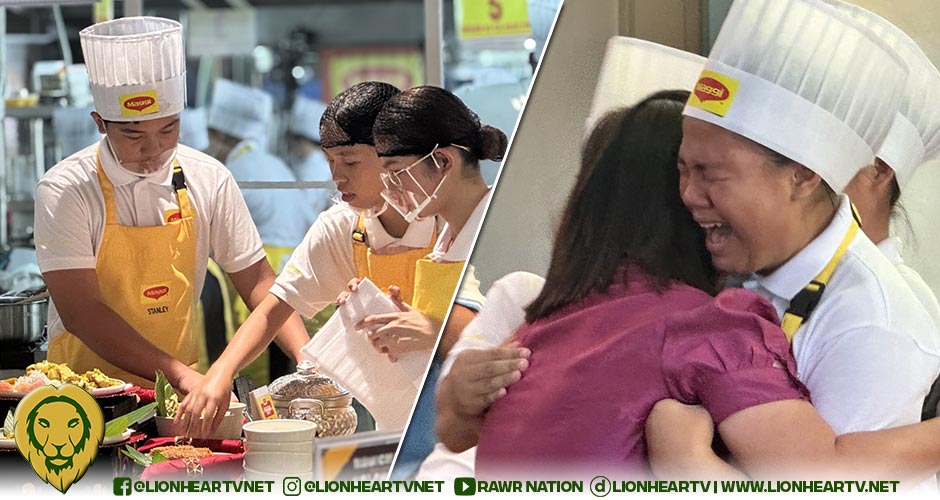

The event, organized by MAGGI in collaboration with Nestlé Philippines and the Department of Education (Philippines), gathered public school students from across Luzon, Visayas, and Mindanao on February 27, 2026, at the Center for Culinary Arts Manila. The national cook-off brought together Grades 7 to 10 student teams, culinary mentors, and renowned Filipino chefs to highlight creativity, nutrition, and the importance of affordable home-cooked meals for Filipino families.
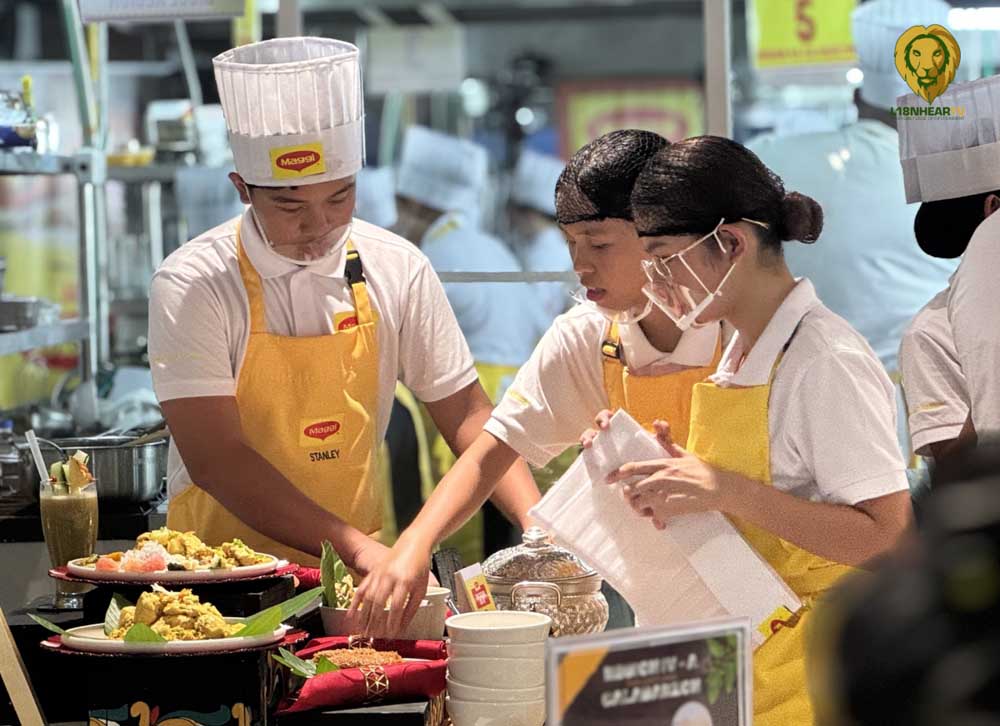
The culinary school’s kitchens quickly transformed into a lively stage of youthful determination and culinary imagination. Rows of cooking stations were filled with colorful vegetables, fresh ingredients, and neatly prepared kitchen tools as student teams prepared to take on the final challenge of the national competition. Excitement and anticipation filled the room as participants from different regions carried the pride of their schools and communities into the cooking arena.
The competition forms part of the long-running Nestlé Wellness Campus initiative. This program has spent more than thirteen years promoting health and nutrition education in over 26,000 public schools across the Philippines. Through this program, young students are encouraged to develop healthy eating habits and practical cooking skills while learning how to prepare balanced meals for their families using accessible ingredients.
Months before the national finals, the participating teams had already undergone rigorous division-level competitions. Each team, composed of three students, was tasked with preparing a nutritious and flavorful dish using vegetables harvested from their school’s Gulayan sa Paaralan gardens, supported by MAGGI, along with produce grown in their own home gardens. The challenge required creativity and discipline, as teams were limited to a ₱500 budget while ensuring their dishes remained both nutritious and delicious.
To strengthen their preparation, the students also learned through the MAGGI Sarap Sustansya Kusinaskwela video series, which introduced practical lessons on meal planning, smart grocery shopping, and efficient kitchen techniques. These lessons became essential tools that allowed the young cooks to confidently experiment with ingredients while maintaining balanced nutrition in their recipes.

The atmosphere intensified during the national grand finals as the selected teams stepped into the kitchens of the Center for Culinary Arts Manila. The challenge required each group to prepare a complete menu for a family of four within 90 minutes, using a ₱1,000 budget. Each menu needed to include protein, vegetables, carbohydrates, dessert, and a beverage while following the principles of the Go, Grow, Glow food groups and the Pinggang Pinoy guidelines of the Food and Nutrition Research Institute.
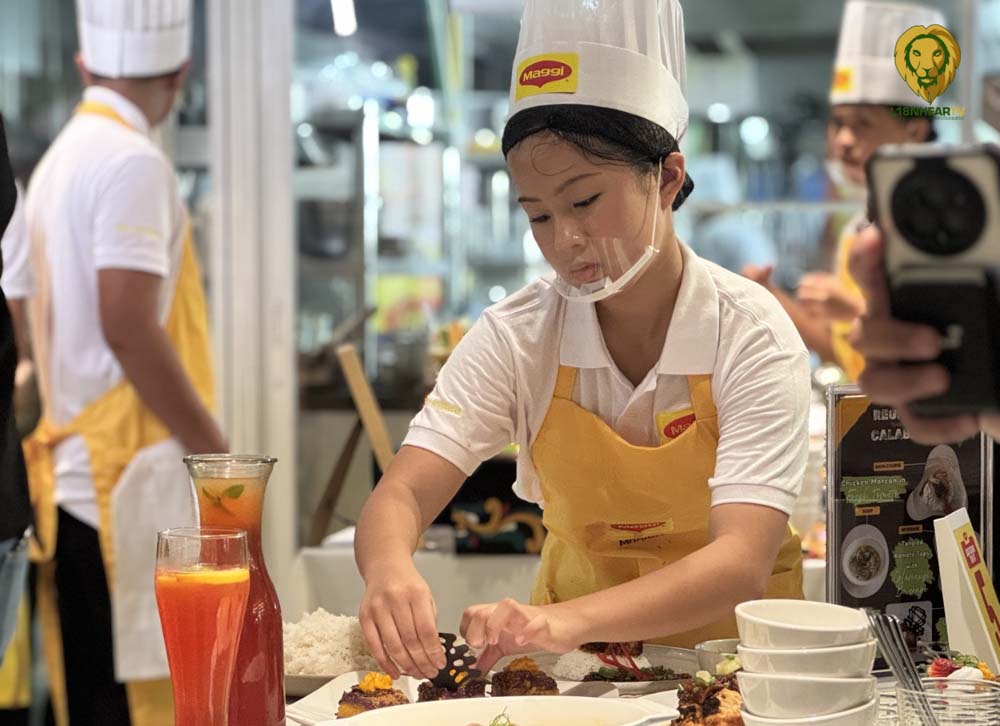
As the countdown clock began, the kitchen filled with the rhythmic sounds of chopping, stirring, and sizzling pans. Ingredients moved quickly from preparation tables to cooking stations as students carefully executed their recipes while coordinating with teammates. The pressure of the time limit created a tense yet exciting atmosphere, but the young chefs displayed impressive teamwork and confidence as they worked through each step of their menus.
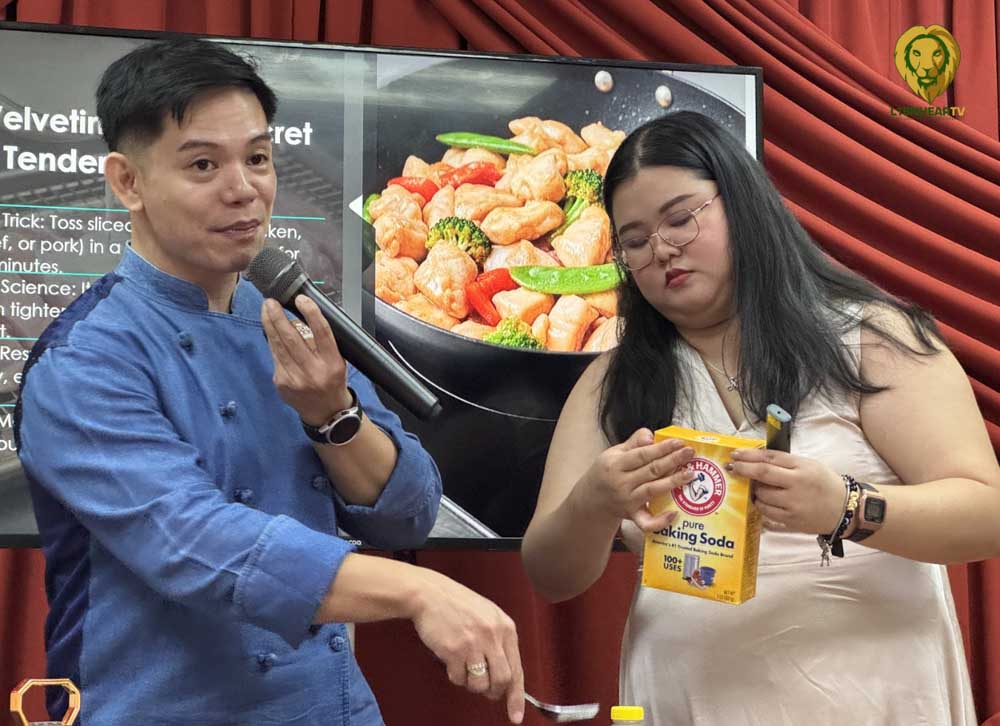
Guiding the competition were well-known culinary mentors and food content creators. Juan Miguel Fernandez, Juri Imao, and Cath Chen worked closely with the students, sharing professional cooking techniques, food safety practices, and creative ways to enhance simple ingredients. Their encouragement helped the participants refine their dishes while boosting their confidence in the kitchen.
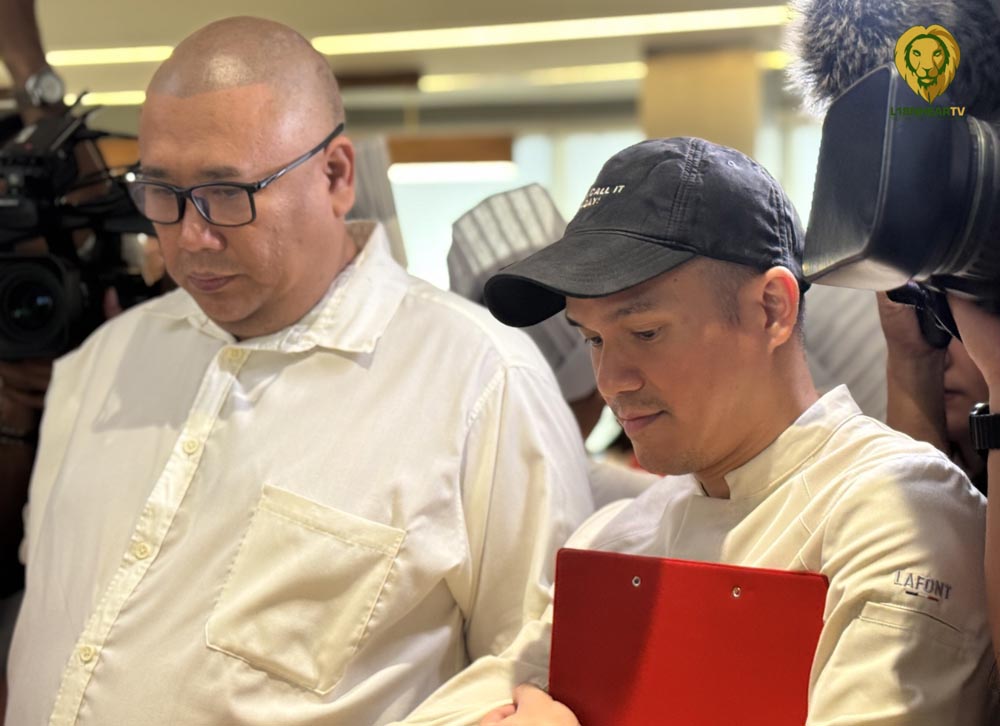
Meanwhile, a distinguished panel of judges carefully observed each team’s work. The panel included respected culinary figures such as Chef Tatung Sarthou, Chef Miggy Moreno, and Chef Jackie Ang Po. Each dish was evaluated based on creativity, taste, presentation, and nutritional value. The judges also looked for menus that demonstrated the ability to transform everyday ingredients into balanced meals that families could realistically prepare at home.
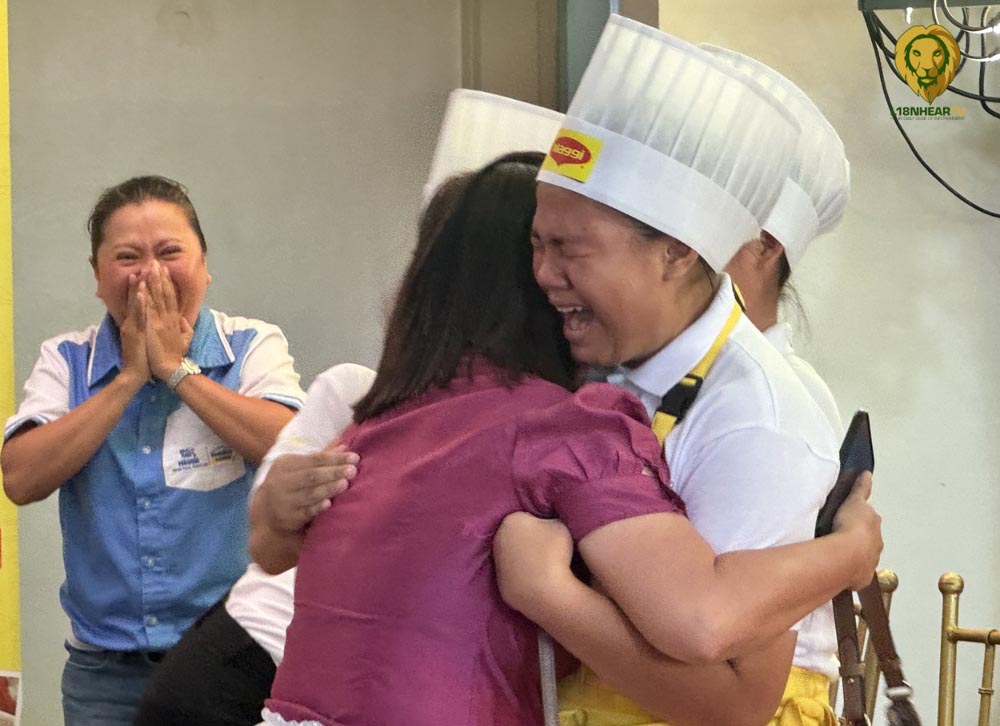
When the final dishes were presented, the results reflected the remarkable creativity and dedication of the young participants. Emerging as the National Grand Champion was Concepcion National High School from the Eastern Visayas Region. The winning team—comprising Princess Sherry Fay De Los Santos, Alfamie Figura, and Beverly Jane Vertidazo, under the guidance of teacher Grechie Cortel—captured the judges’ attention with a menu that blended flavor, innovation, and nutritional balance.

Their winning menu included Blueternate Coconut Cooler, Tomato Tsoko Crunch Tartlet, Lankaube Nutri Rice, Cheesy Triple Green Lumpia Rolls, and Crispy Tilapia Fillet. Each dish highlighted fresh ingredients and thoughtful preparation, demonstrating how affordable meals can still be vibrant, satisfying, and healthy. The crisp tilapia entrée, paired with colorful vegetable components, particularly stood out, showcasing both culinary technique and nutritional awareness.
Following closely behind were the competition’s runner-up teams. Donsol National Comprehensive High School from the Bicol Region secured the first runner-up position, while Malinao School for Philippine Craftsmen from Western Visayas earned the second runner-up title. Each team impressed the judges with their own unique interpretations of nutritious, family-friendly meals.

Another highlight of the program was the People’s Choice Award, determined through public voting on the official MAGGI YouTube platform. Bariw National High School was recognized as the People’s Choice National Champion, followed by Juan F. Triviño Memorial High School and Camarin High School as first and second runners-up, respectively.
The winning schools received trophies, recognition, and prizes supporting their continued participation in nutrition programs, while all finalists gained valuable learning experiences that extend beyond the competition itself.
Throughout the event, the MAGGI Sarap Sustansya Cook-Off demonstrated that cooking can serve as a powerful tool for education and community development. The program encourages students, teachers, and families to work together in cultivating school gardens, learning practical kitchen skills, and promoting healthier eating habits at home.
More than simply a cooking contest, the event celebrated the potential of young Filipinos to lead change within their communities through knowledge and creativity in the kitchen. The experience showed that nutritious cooking does not require expensive ingredients—only thoughtful preparation, balanced nutrition, and a passion for feeding families well.

By the end of the competition, the kitchens of the Center for Culinary Arts Manila had witnessed more than a display of culinary talent. The event revealed a generation of young cooks ready to shape a future where healthy, affordable, and delicious meals remain at the heart of Filipino homes. (with reports from Aldrine Benitez)
