

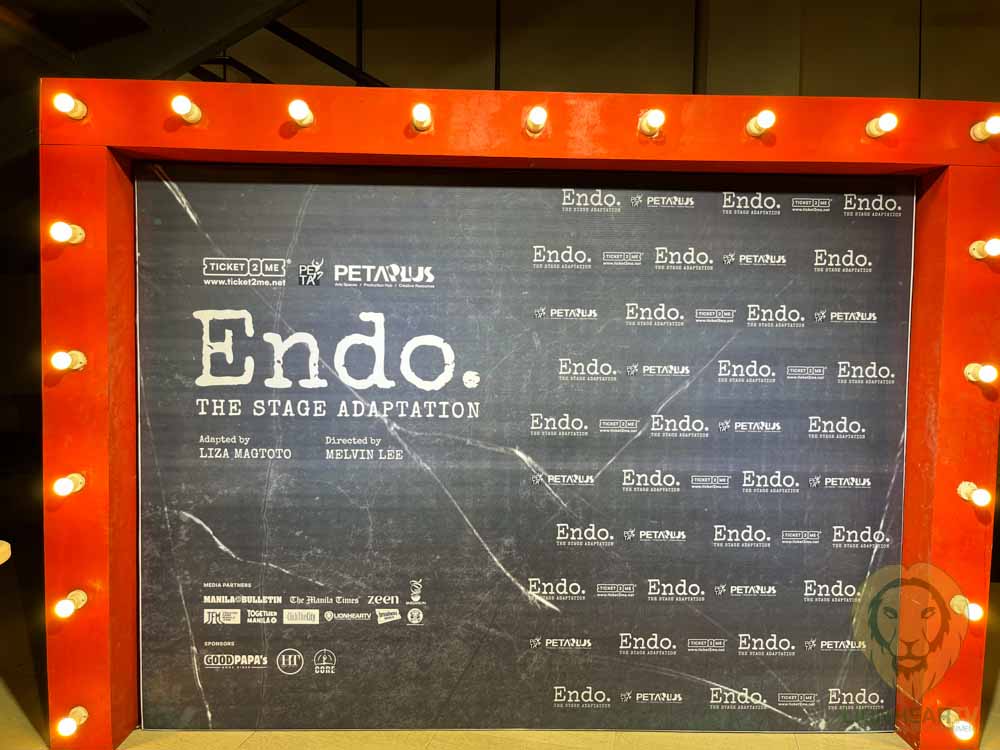
The 2026 staging of Endo at the Philippine Educational Theater Association Theater Center in Quezon City brought together theater audiences, creatives, and advocates of socially relevant storytelling, headlined by Jasmine Curtis-Smith and Royce Cabrera, delivering a gripping and deeply resonant portrayal of contractualization and the lived realities of the Filipino workforce.
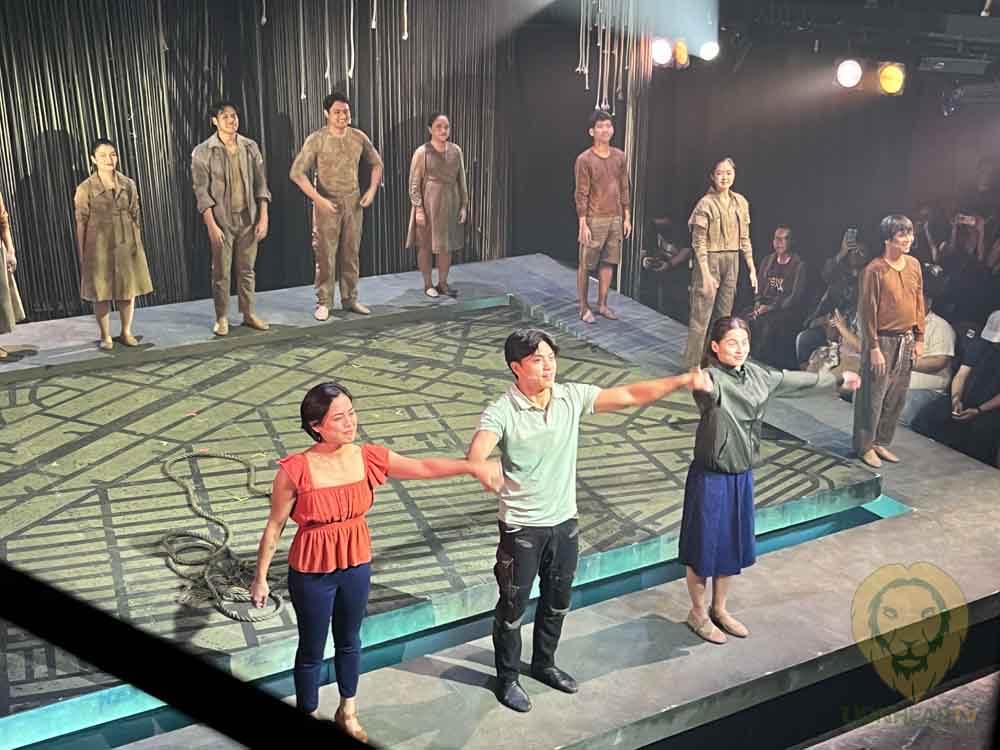
From the opening moments, the production established a tone that was both intimate and heavy. There was no reliance on grandeur or spectacle. Instead, the storytelling unfolded with deliberate restraint, allowing silence, pauses, and subtle shifts in emotion to carry as much weight as dialogue. The result was an atmosphere that felt immersive, almost confrontational in its honesty.
At the center of the narrative were Tanya and Leo, portrayed with striking depth by Jasmine Curtis-Smith and Royce Cabrera. Their performances did not aim to impress through intensity alone; rather, they drew strength from vulnerability. Every glance, every hesitation, and every emotional crack felt authentic, revealing characters shaped by circumstance rather than dramatic exaggeration.
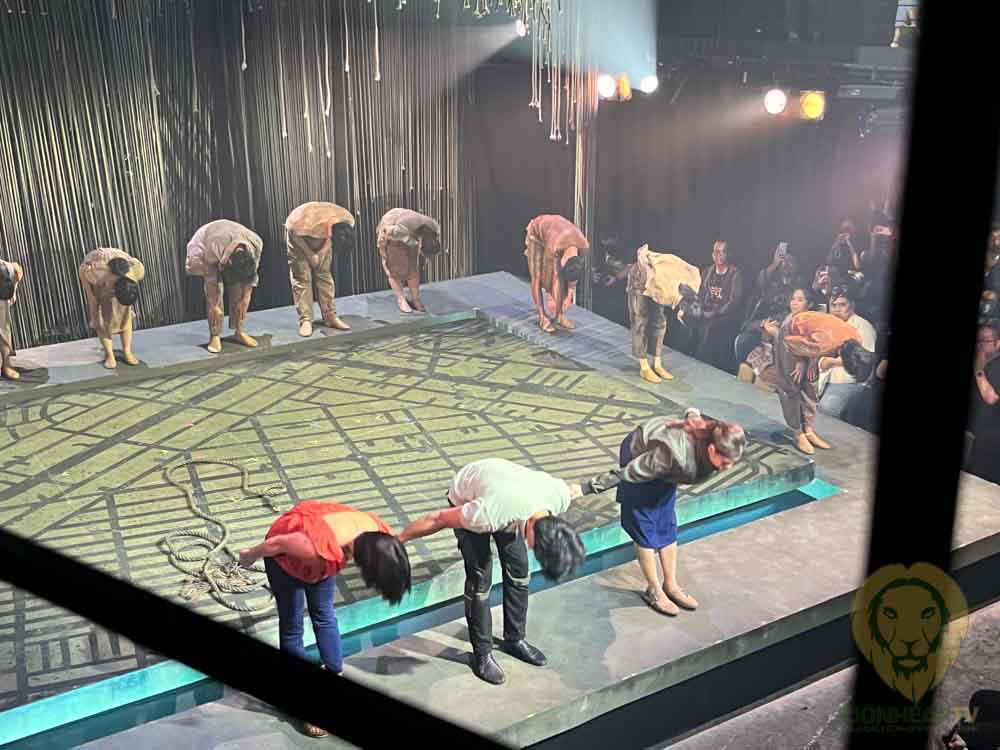
Jasmine Curtis-Smith’s portrayal of Tanya stood out for its quiet precision. The performance leaned into internal conflict, allowing the audience to witness the character’s struggles without overt display. There was a sense of control in every movement, as if each gesture had been carefully measured to reflect Tanya’s emotional state. In a video interview captured during the run, Jasmine shared insights into her approach, emphasizing that theater demands “discipline” and the commitment to “show up for your craft every single day.” That philosophy was evident in the performance itself—refined, consistent, and deeply intentional.
Royce Cabrera complemented the production with a grounded and emotionally layered portrayal of Leo. His performance carried a natural rhythm, shifting seamlessly between restraint and release. Together, the two leads created a dynamic that felt lived-in, portraying a relationship shaped by both affection and the pressures of survival. Their chemistry anchored the production, making the emotional stakes feel immediate and real.
The ensemble further strengthened the narrative, bringing texture and dimension to the world of Endo. Each performer contributed to a collective energy that elevated the story beyond its central characters. Their interactions created a sense of community within the production, one that mirrored the shared struggles depicted on stage.
What made this staging particularly powerful was its relevance. The themes explored in Endo—job insecurity, contractual labor, and the emotional toll of economic instability, are not distant issues. They are part of everyday life for many Filipinos. The production approached these realities with honesty, avoiding romanticization and instead presenting them as they are: complex, difficult, and deeply human.

The staging itself reflected this grounded approach. Minimalist in design, the set allowed the performances to take precedence. Lighting and sound were used with precision, enhancing the mood without overwhelming the narrative. Every element worked cohesively to support the story, reinforcing its raw and unfiltered tone.
As the performance progressed, the emotional weight became increasingly palpable. Scenes did not simply pass, they lingered. Moments of silence carried as much impact as spoken lines, creating a rhythm that demanded attention and reflection. The audience was not just watching a story unfold; they were experiencing it.
The production’s ability to linger with the audience after the final curtain was one of its most enduring aspects. The questions it raised did not resolve neatly, and the emotions it evoked did not fade quickly. Instead, they remained, prompting reflection on both the narrative and the realities it represents.
Jasmine Curtis-Smith’s reflection on theatre as a “marathon” resonated strongly within the context of the performance. The production itself embodied that idea. It was not about fleeting impact but about sustained engagement, about building something meaningful through discipline, consistency, and truth.
The 2026 run of Endo at the Philippine Educational Theater Association Theater Center reaffirmed the power of theater as a medium for storytelling. It demonstrated that beyond entertainment, theater has the capacity to challenge perspectives, amplify voices, and create space for conversations that matter.
In its quiet intensity and unwavering honesty, Endo did more than tell a story—it held up a mirror. And in that reflection, it left a lasting impression that refuses to be easily forgotten. (with reports from Benedick Marasigan)