


Ask any Filipino TV fan what got them hooked on local television, and chances are they’ll answer not with a drama, but with a reality show—raw, messy, unpredictable, and brimming with heart.

From tearful confessions in the Pinoy Big Brother house to breathtaking belters on The Voice, reality TV has wormed its way into the Filipino psyche like no other genre. And it’s not just about entertainment—it’s about dreams made visible, transformations televised, and overnight fame delivered at the speed of a vote.
Inside the Box: The Cultural Footprint of PBB

There’s before PBB, and there’s after. The 2005 launch of Pinoy Big Brother wasn’t just a media experiment—it was a cultural reset. What started as a voyeuristic social experiment became a star factory. Kim Chiu, Maymay Entrata, James Reid, Melai Cantiveros—each walked in as an ordinary Filipino and walked out as a household name. It gave the public a sense of ownership: fans didn’t just watch a career unfold—they voted for it, mourned exits, and followed every life update post-show.

Today, PBB remains a ratings juggernaut and Twitter trend magnet, proof that fans are still hungry for authenticity, drama, and that underdog-to-icon story arc.
Daredevils and Drama: The Challenge Format Craze
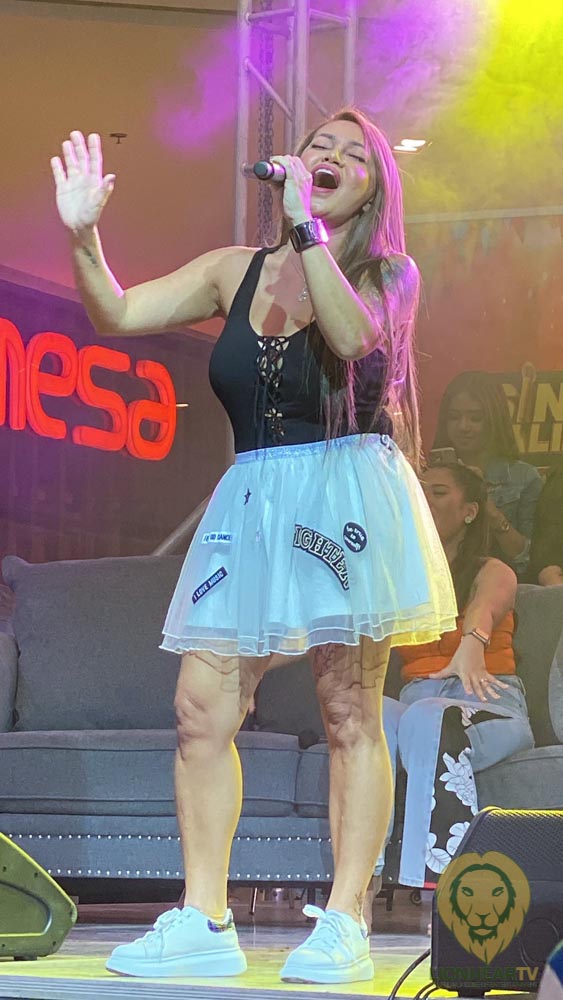
Before Survivor buffs built alliances, Filipino audiences were screaming through their screens at the outrageous stunts of Extra Challenge. Hosted memorably by Paolo Bediones and Ethel Booba, the show fused physical competition with celebrity chaos. Survivor Philippines took the baton in 2008 and introduced local audiences to tactical gameplay, island politics, and a version of heroism that went beyond beauty and fame. Though its run was brief, the show earned cult love—and recently, whispers of a comeback have intensified, especially with online fans rallying for a reboot that’s grittier, smarter, and proudly Pinoy.
When Talent Roars Louder Than Fame
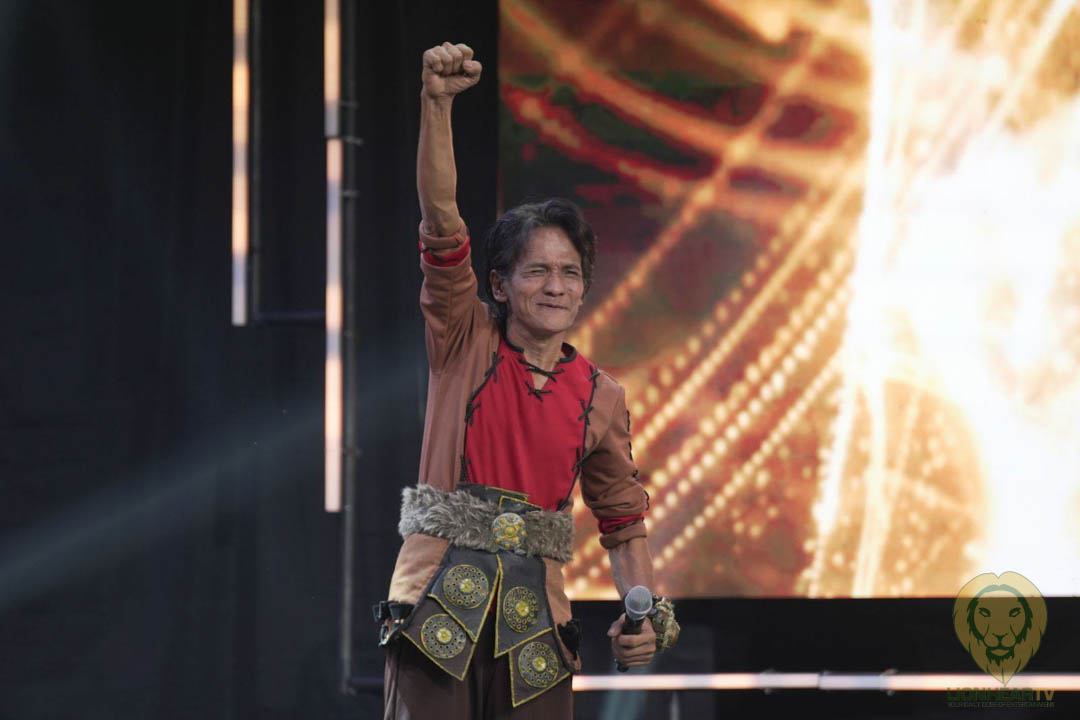
Filipino reality singing competitions are the country’s unofficial Olympics of emotion. Pinoy Pop Superstar gave us Jonalyn Viray; The Voice Philippines unveiled Jason Dy and Morissette Amon. The Clash brought vocal dramatics, while Tawag ng Tanghalan revived an old format and produced new icons like Noven Belleza and Elaine Duran. Then came Pilipinas Got Talent, where skills transcended music—fire dancers, sand artists, contortionists, and Marcelito Pomoy, whose dual-voice performance went global. These competitions weren’t just stages; they were catapults. Every sob story, golden buzzer, and standing ovation translated into thousands of new fans—and sometimes, mainstream stardom.
Artista Factories: Searching for the Next Icon

Before TikTok challenges and viral POVs, StarStruck and Star Circle Quest reigned supreme. These were rites of passage into showbiz. Jennylyn Mercado, Megan Young, Mark Herras, and Sandara Park weren’t discovered—they were made. The format combined acting workshops, emotional eliminations, and mentor-host dynamics (hello, Kuya Germs and Direk Joey Reyes). ABS-CBN’s Star Circle Quest gave us the “Korean Invasion” via Sandara and the boy-next-door appeal of Hero Angeles. These shows weren’t just programming—they were talent pipelines and identity shapers for a generation of young fans.
The Ones That Didn’t Hit—But Shouldn’t Be Forgotten
Pinoy Fear Factor was shot in Argentina, packed with stunts and drama, but fizzled after one season. The Biggest Loser Philippines tugged at emotional chords and celebrated transformation, but didn’t find longevity. The Amazing Race Philippines, despite an ambitious two-season run, couldn’t match its international predecessor’s adrenaline. Still, these experiments mattered. They showed local producers what worked, what didn’t, and what could—especially today, with a generation more addicted than ever to self-improvement, adventure, and high-impact drama.
Which Format Deserves a Comeback?
With PBB still dominating and fans clamoring online for a more intense, evolved Survivor Philippines, there’s an opening. Imagine a rebooted Survivor PH with celebrity contestants, island tribal councils, and social media engagement woven into every twist. Or an updated StarStruck that reflects Gen Z sensibilities, including digital acting challenges and TikTok duet tasks. Even Pinoy Fear Factor could reemerge as a celebrity dare show with higher stakes and smarter scripting.
Because one thing’s certain: when reality strikes, Filipinos don’t just watch—they participate, they vote, they stan. It’s not just television. It’s the ultimate fantasy: a spotlight, a second chance, a shot at becoming unforgettable.
