

In the short Boys Love film ‘At Least We Had This Moment,’ director-writer Joshua de Vera takes audiences through the quiet, aching streets of Old Manila’s Escolta—where memory, heartbreak, and queer identity converge in the spaces we choose to inhabit.
But this isn’t your usual BL entry. De Vera’s film was not born out of genre formulas, but out of personal grief and the healing power of place. “When I had my first breakup, I couldn’t return to the places I once shared with him. They held sentimental weight. So I turned that heartbreak into art,” he shares.
The story follows Dino (Raven Rigor), a restless tourist, who asks his guide Andre (Andre Miguel) to veer away from standard tour stops and explore Escolta’s “third spaces”—chosen sanctuaries outside home and work that quietly shape identity.
For De Vera, these third spaces are deeply personal. “It was heavy, but I had to sit with it. Filming became part of my healing. I realized why these spaces mattered to me—not just because of a person, but because of who I became in them.”
Even one of the producers, Adam, admitted he was initially doubtful of the pitch—“BL set in Escolta”—until he was struck by its honesty. “It felt earnest and honest, and that’s what makes the film stand out. It’s not BL for the sake of BL. It’s a queer story rooted in real emotional terrain.”
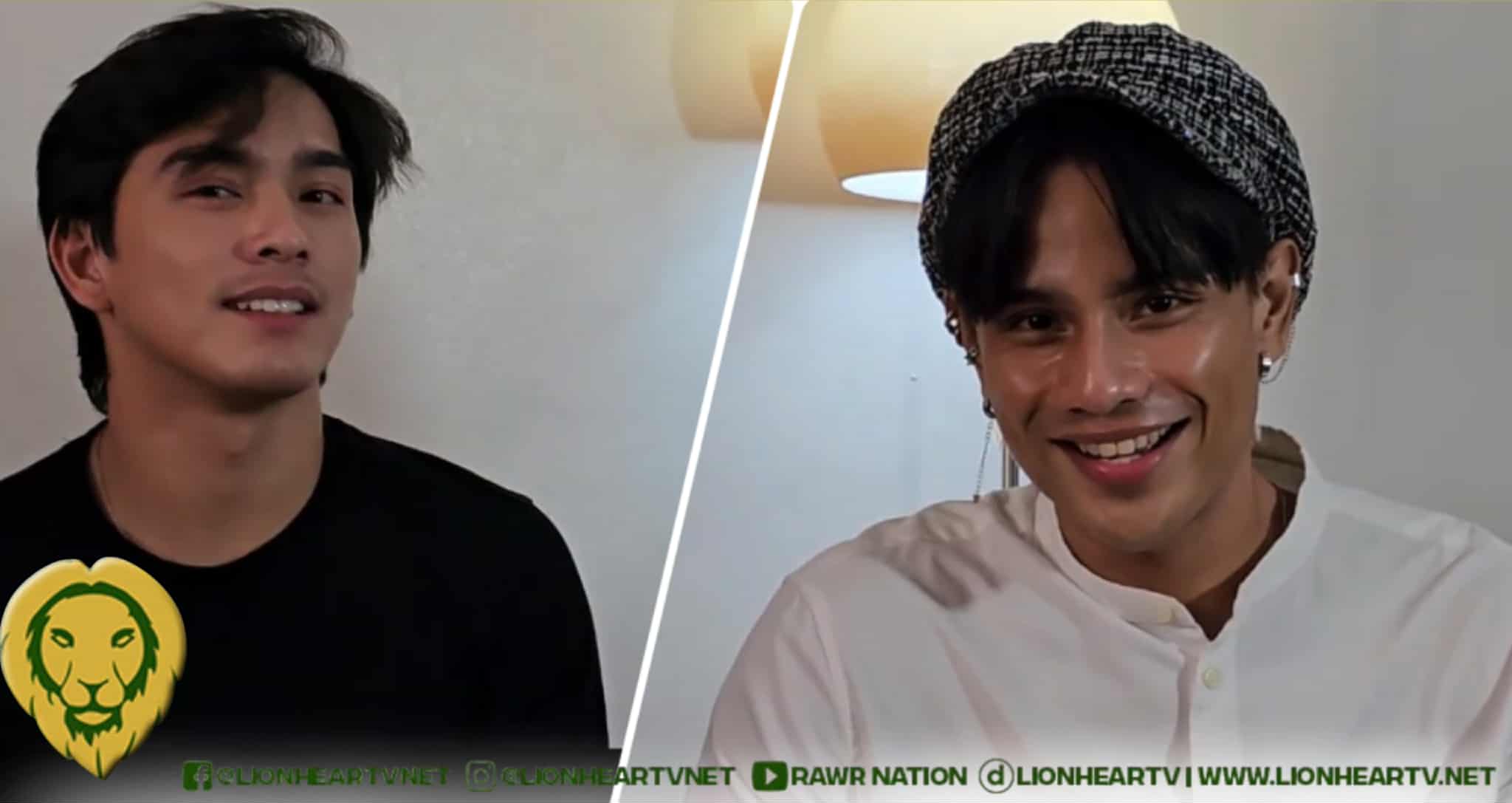
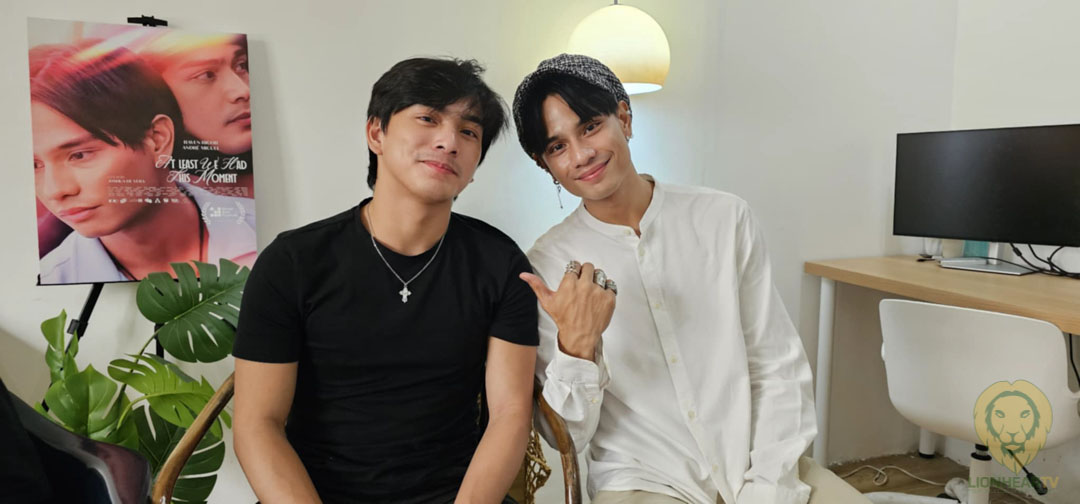
De Vera had always imagined Andre Miguel for the role, and the actor accepted with heart. “Joshua told me early on, ‘Andre, ikaw na ‘yung naimagine ko.’ I accepted it wholeheartedly,” Miguel recalls.
For Raven Rigor, the experience was more unexpected. “Akala ko sa akin na ‘yung role. Then I found out it was an audition. Kinabahan ako—takot talaga ako sa rejection,” he laughs. But that vulnerability bled into his portrayal. “As I grew, I realized rejection is normal. The right project will arrive at the right time.”
Shooting in Escolta, Rigor says, felt like a dream come true. “First time ko in Escolta. Pangarap ko ‘yung ganitong pelikula—ganitong visuals, ganitong kwento. Matagal ko itong minanifest.”
Andre adds that the film’s distinctiveness lies in its origin: “It wasn’t made to be a BL. Joshua wanted to reclaim his third space. It just so happened he’s a queer filmmaker, and that translated.”
So what is a “third space”? De Vera explains: “We have our first space—home. Second—school or work. But the third space is ours to choose. It can be a café, a sidewalk, anywhere we run to when we’re tired of the other two. For queer people, these spaces shape us. They’re where we discover who we are.”

More than a love story, ‘At Least We Had This Moment’ maps the emotional geography of queer existence. It’s about the spaces we return to, the ones we avoid, and the ones we reclaim. In Escolta’s fading neon and quiet corners, two strangers find something fleeting but real. And perhaps, as the film reminds us—sometimes that moment is enough.
