
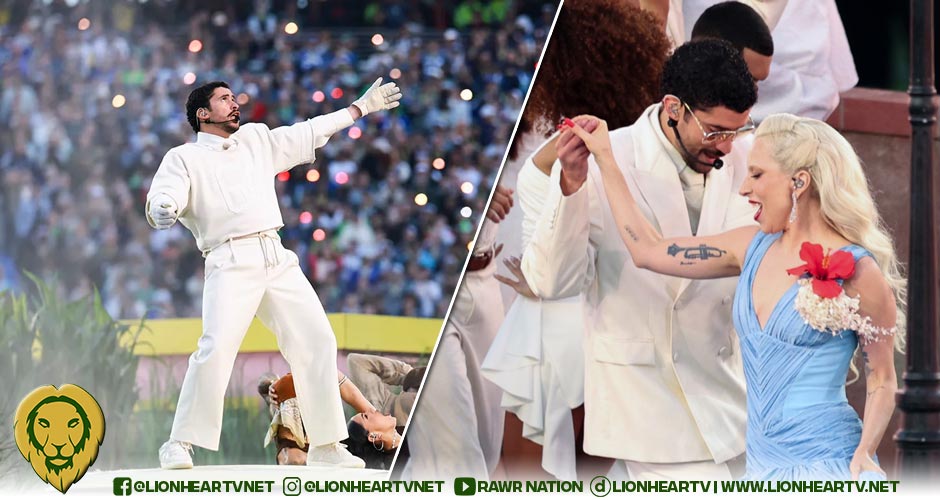

At first glance, Bad Bunny’s Super Bowl halftime show looked playful, even whimsical. But sit with it longer, and the performance reveals itself as something far more layered—almost academic in structure, like a thesis disguised as fun.
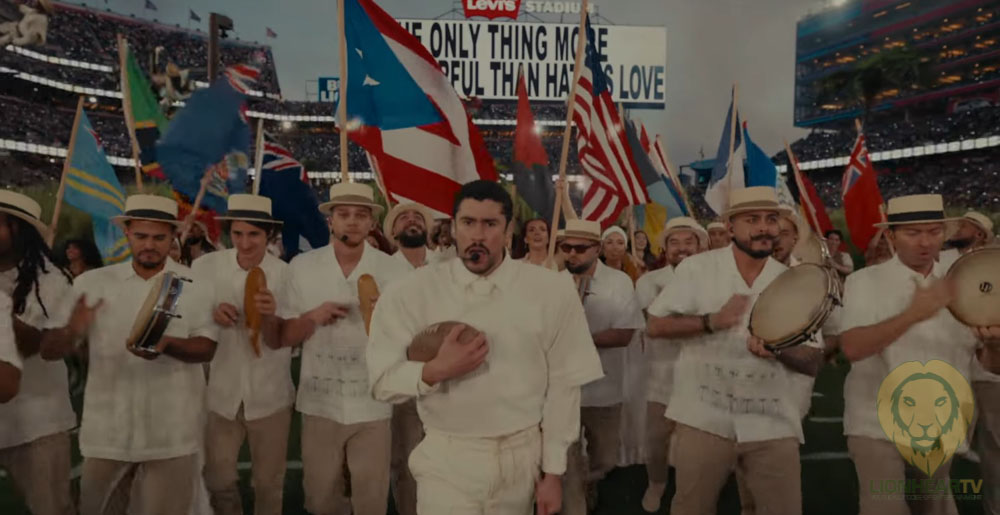
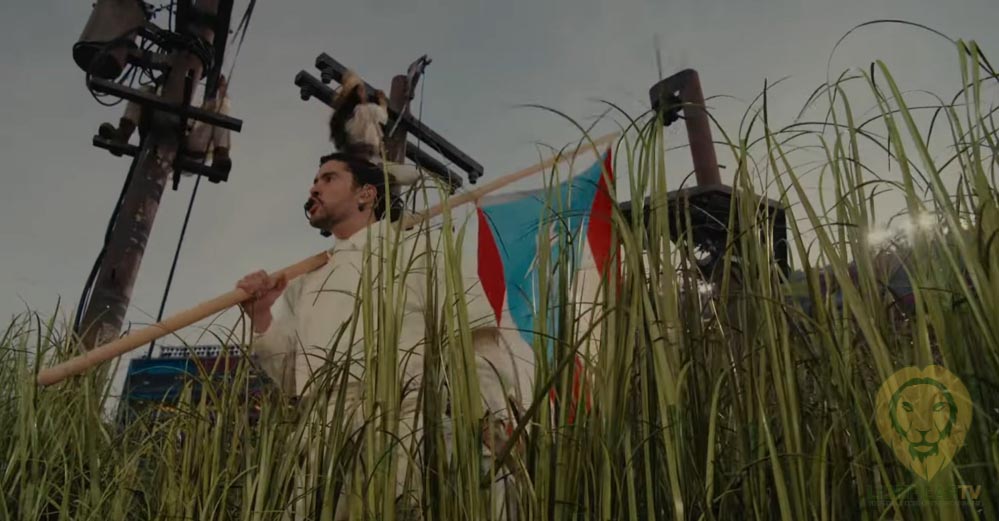
Socially, it foregrounded values: there was a wedding onstage, a literal celebration of love and community. Politically, it was a bold act of decentering power—most striking when Bad Bunny reclaimed the word America, naming it as a continent, not a single country. Culturally, the performance was rooted in an operating system of everyday life: banana trees, sugarcane, corner stores, plastic monobloc chairs—objects often dismissed, yet deeply familiar and deeply meaningful. Economically, it acknowledged the reality of the internet age: a global audience watching in real time, many not understanding the language, yet fully grasping the meaning.
But perhaps the most fascinating layer was theater itself.
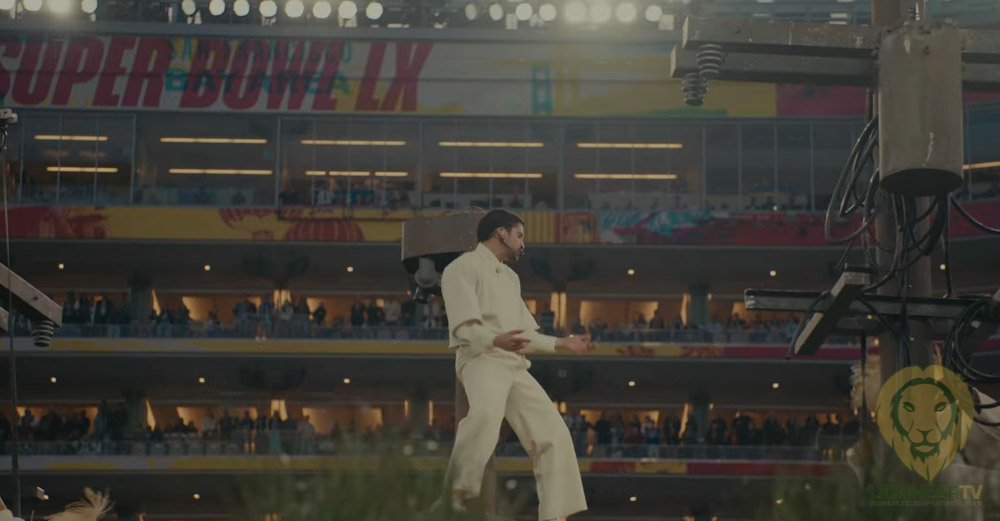
We are conditioned to expect halftime shows to function like concert arenas: one central star, commanding attention from the farthest seat, reinforced by rigid formations, visual hierarchy, shock, and spectacle. This show rejected that grammar.
Instead, Bad Bunny’s halftime unfolded at street level.
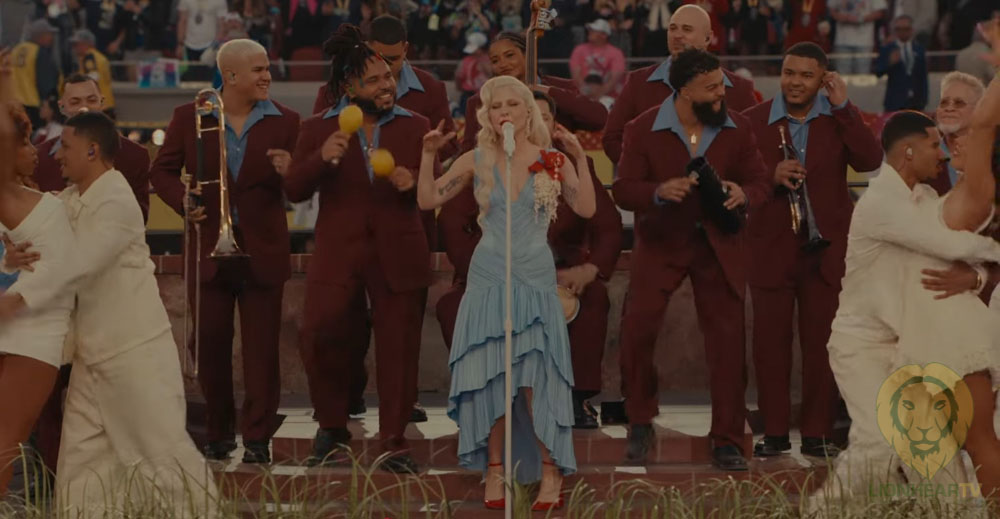
There were multiple sight lines, many vignettes, numerous characters, and overlapping community stories. The eye didn’t always know where to land—and that was intentional. It mirrored real life, not a choreographed fantasy. The star did not tower above the people; he existed among them.
And yet, there was still visual order. Bad Bunny wore all white. The sub-leads were in white. Lady Gaga stood out in blue—because she is Gaga, reshaping even her own presence. The crowd wasn’t uniformed, wasn’t regimented, wasn’t anonymous. Still, every costume carried a touch of white. Slivers of it. Fragments.

Those slivers formed, dissolved, and subtly pointed back toward Bad Bunny.
Inclusive. Decentered. Cultural. And quietly radical.
The choice of Bad Bunny, just 31, as halftime headliner—one of the most powerful career platforms in the world—sparked immediate backlash. His music, sung largely in Spanish. His fashion. His politics. His refusal to dilute himself.
Much of the criticism came from supporters of Donald Trump, who bristled at a Spanish-speaking artist commanding an American stage. Yet Bad Bunny has never been neutral. He has long criticized the U.S. government’s delayed response to Hurricane Maria in Puerto Rico in 2017, and later condemned a comedian at a Trump rally who referred to Puerto Rico as “a floating island of garbage” in 2024—prompting Bad Bunny to endorse Kamala Harris.
That context matters. Because this halftime show wasn’t accidental. It was intentional art.
Many viewers admitted they understood very little of the lyrics. Some joked it was “about 2%.” And yet, the emotional comprehension was complete.
A child asleep on a chair. A Grammy passed hand to hand. Gaga bending her own song into the moment. The camera catching blinks, pauses, breathing. This wasn’t just performance—it was life unfolding inside music.
When Bad Bunny said, “God bless America,” and then named all the American countries, it landed as a necessary correction: America is not the United States alone. It is a shared geography, history, and struggle.
Winning a Grammy and headlining the Super Bowl in the same week is rare. Doing both while delivering a deeply political, deeply cultural, and deeply human statement is something else entirely.
This performance proved something vital: real art doesn’t need translation. It needs honesty.
Viewers cried without knowing the lyrics. They felt chills without understanding the words. For audiences as far as the Philippines—where Spanish-speaking cultures are also deeply felt—the show resonated as a reminder of shared histories, food, music, faith, and resilience.
It wasn’t just visually pleasing. It was meaningful.
Bad Bunny didn’t just own the Super Bowl stage. He transformed it into a space of memory, resistance, love, and belonging. And in a time defined by division, the message that closed the show lingered longest:
The only thing more powerful than hate is love.
That wasn’t just halftime entertainment.
That was culture, claiming its place at the center.
