


A media preview of “Paglalakbay: The Journey of the Sea People,” the newest full-length ballet production by Ballet Philippines, was presented on March 10, 2026, at The Theatre at Solaire in Parañaque City, offering members of the press and guests an early glimpse of the upcoming cultural production choreographed by artistic director Mikhail Martynyuk.
The ballet, featuring a libretto by Sheree Chua, music by Ronald Vincenzo Khaw de Leon, and stage design by Leeroy New, draws inspiration from the migration stories of the Ivatan people of Batanes and explores the broader narrative of Austronesian seafaring journeys.
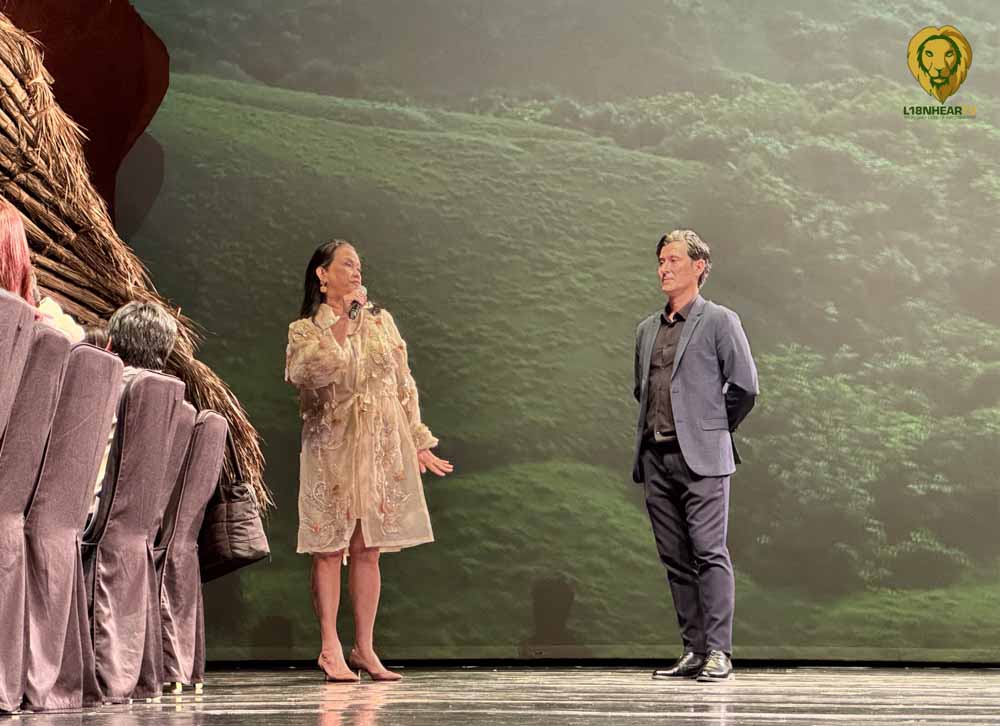
The preview served as a powerful introduction to a ballet that seeks to translate history, migration, and cultural resilience into movement. Although the performance excerpt lasted only a few minutes, the experience hinted at the scale and ambition of the full production scheduled for its world premiere in April.
Inside the theater, the atmosphere carried a quiet anticipation as guests settled into their seats. The stage, still partially concealed by minimal lighting, already evoked the rugged geography of Batanes. When the excerpt began, the choreography immediately revealed a distinctive language of movement—grounded, wind-driven, and shaped by the imagined resistance of sea and terrain.
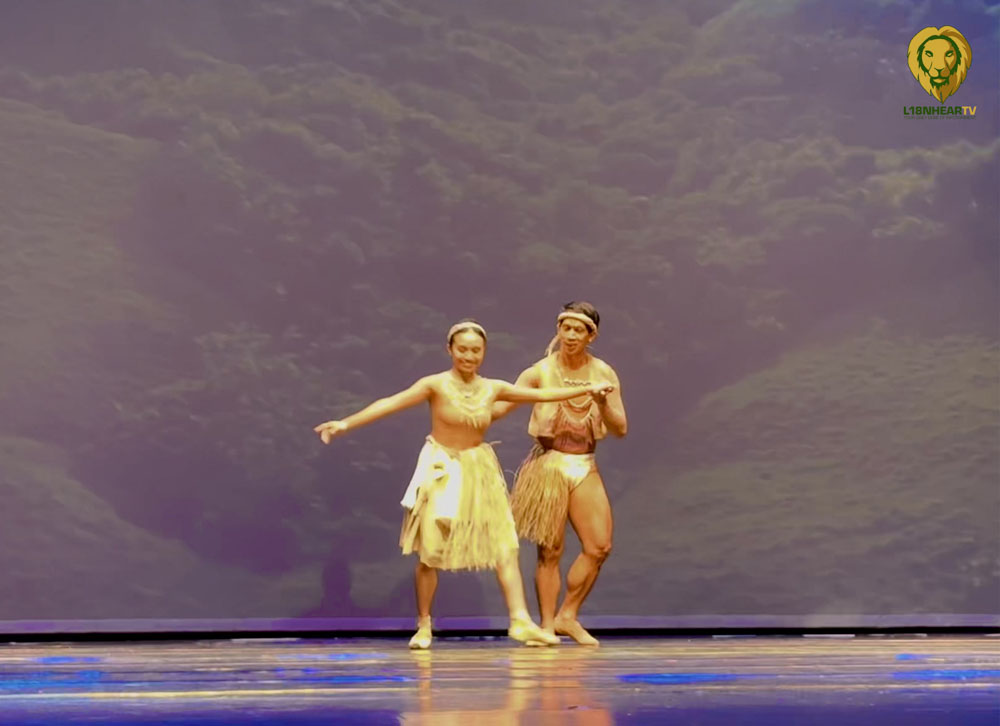
Unlike traditional classical ballet, which often emphasizes verticality and graceful elevation, the movements in Paglalakbay reflected the environment of the northern islands. Dancers leaned forward as if bracing against powerful winds, their steps wide and steady, echoing the endurance of people living along rocky coastlines. The choreography suggested bodies in dialogue with nature, mirroring waves, cliffs, and shifting weather patterns.
This artistic approach stems from extensive cultural immersion undertaken by Ballet Philippines. Through its Ballet Brigade outreach program, the company traveled to Batanes in 2024, where dancers engaged directly with Ivatan communities. Workshops and cultural exchanges with residents, including more than 180 children and teenagers, allowed the company to learn traditional dances and understand the rhythm of life in the islands.
Those encounters eventually shaped the concept for a full-length ballet centered on migration and identity. The story follows a visionary leader called Ama, who guides his people across the sea toward their ancestral homeland. Through dance and music, the narrative reflects the ancient Austronesian migration believed to have spread language, culture, and seafaring traditions across vast regions of the Pacific.
The production’s libretto, written by Sheree Chua, also carries a deeply personal dimension. The narrative is inspired by her mother, Flora Chua, whose life experiences shaped her understanding of migration as a journey of transformation rather than displacement. That perspective echoes throughout the ballet’s themes of resilience, adaptability, and belonging.
The musical score, composed by Ronald Vincenzo Khaw de Leon, complements the choreography with a layered soundscape that blends orchestral composition with rhythmic patterns inspired by traditional Filipino instruments and maritime movement. During the preview excerpt, the music built gradually from subtle melodies into sweeping crescendos, suggesting the vastness of the ocean and the uncertainty of a voyage.
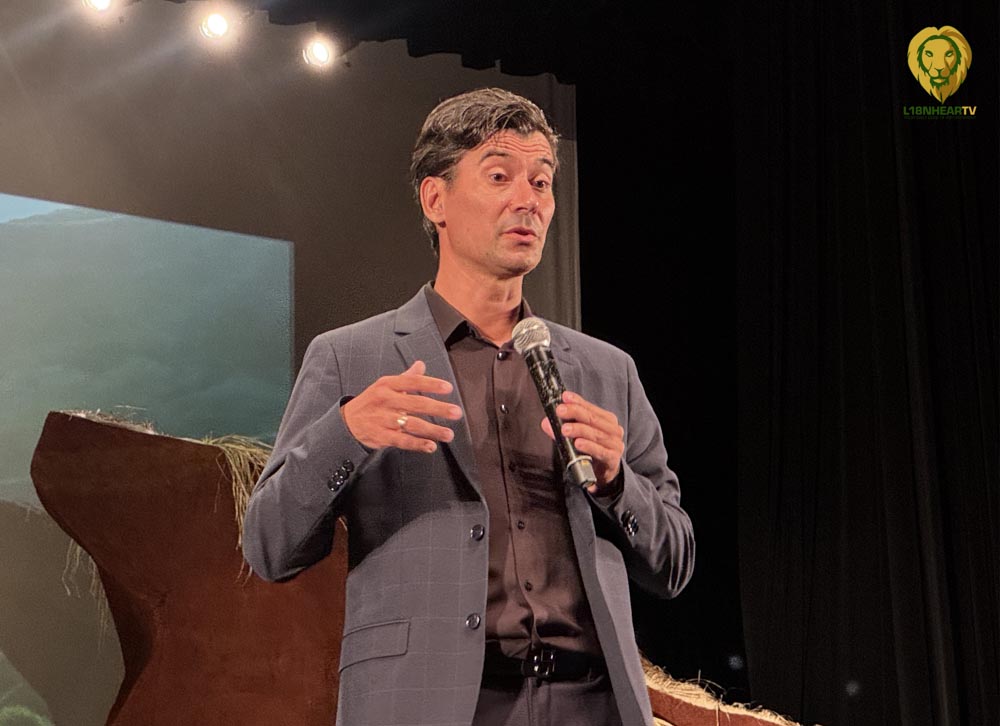
Visual storytelling also plays a crucial role in the production. Production designer Leeroy New translated the dramatic landscape of Batanes into a theatrical environment that captures the region’s windswept cliffs, rolling hills, and stone architecture. The design draws from field research conducted during an immersion trip to the islands, where the design team experienced firsthand the rugged terrain that shaped Ivatan culture.
The result is a stage environment meant to feel dynamic and elemental rather than decorative. Set pieces echo the contours of rock formations and coastal landscapes, while costumes evoke textures associated with traditional Ivatan materials and maritime life.
Academic consultation also contributed to the production’s cultural grounding. Archaeology and heritage expert Edwin Valientes of the University of the Philippines Diliman provided research insights related to Austronesian migration and Ivatan cultural history. His involvement ensured that the narrative reflects historical and ethnolinguistic context while respecting indigenous traditions.
The preview program also included remarks from Kathleen Liechtenstein, who described the production as a significant milestone for the company’s 56th season. According to Liechtenstein, the decision to develop Paglalakbay required an investment in research, cultural dialogue, and artistic experimentation.
The production represents Ballet Philippines’ commitment to bringing indigenous Filipino stories to the classical stage. Rather than adapting existing narratives, the company chose to create an entirely original ballet rooted in local history and mythology.
That commitment extends beyond the Philippines as well. Plans are already underway for the ballet to travel internationally, with a scheduled performance in Hungary later in 2026. The international presentation aims to introduce global audiences to Filipino narratives of migration and cultural identity.
For the dancers, Paglalakbay also demands an unusual physical approach. Martynyuk explained that the choreography adapts classical ballet technique to reflect the environment of Batanes. Instead of the upright posture typically associated with ballet, the dancers maintain a lower center of gravity, their movements grounded and responsive to imagined forces of wind and sea.

This shift transforms the choreography into a form of storytelling. Every tilt of the body and sweep of the arm reflects survival, navigation, and adaptation—the defining traits of maritime cultures.
The preview concluded with an adagio sequence featuring the central characters, hinting at the emotional arc of the story. The intimate pas de deux portrayed a quiet moment of connection amid the larger narrative of migration, suggesting that the ballet will balance epic storytelling with deeply personal relationships.
Although the excerpt lasted only a short time, the performance left a strong impression of the production’s scale and ambition. The combination of cultural research, original choreography, and immersive design points toward a ballet that seeks to redefine how Filipino stories are presented within classical dance.
Paglalakbay: The Journey of the Sea People will officially premiere from April 10 to April 12, 2026, at The Theatre at Solaire, marking the culminating production of Ballet Philippines’ 56th season.
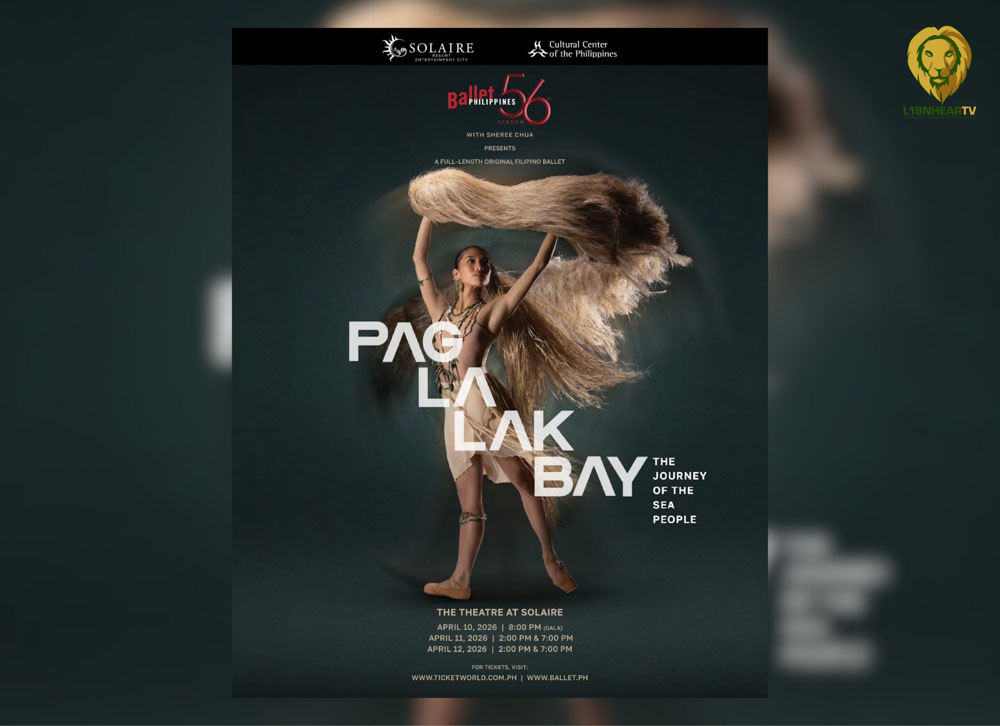
By weaving together history, culture, and contemporary choreography, the production celebrates the enduring legacy of seafaring communities whose journeys shaped the identity of the Filipino people. The ballet ultimately invites audiences to reflect on migration not simply as movement across distance, but as a story of courage, continuity, and the enduring human search for home. (with reports from Aldrine Benitez)
