

TV and social media personality Awra Briguela responded to criticisms following her viral “sanitary napkin” and “biological woman” post.
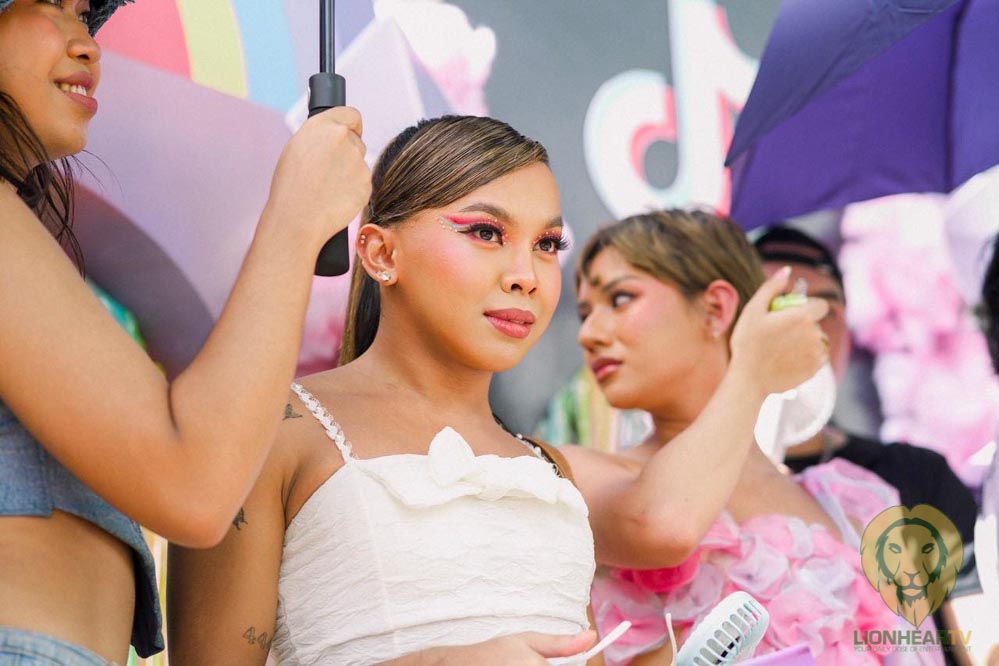
Awra drew mixed reactions after sharing a photo on Facebook where she was holding a pack of sanitary pads, captioned, “hehehe soon to be biological woman.”
While some netizens found humor in the post, others—particularly some women—expressed concern and said she should not refer to herself as a “biological woman,” even if she undergoes gender reassignment or affirmation procedures.
One netizen, identified as Rika Matsuda, shared her perspective on the issue, emphasizing the distinction between identity and biology while expressing respect for individual journeys.
“Sharing this with respect and clarity,” she said.
“Bilang isang babae at ina, I deeply value what my body has gone through—pregnancy, childbirth, and raising my children. Those are experiences that are real, physical, and deeply personal.”
“I respect that everyone has their own identity and journey. However, using the term ‘biological woman’ in a way that isn’t medically accurate feels misplaced to me. There is a clear difference between identity and biology, and I believe both deserve to be understood properly.”
“Respect should always go both ways. I can honor your truth, and I hope the same respect is given to the realities that define womanhood for many of us.”
“We can coexist with mutual understanding—without diminishing each other.”
In response, Awra clarified that her post was intended purely as humor and not meant to offend.
“Just to clear things up that post was a joke it wasn’t meant to be taken seriously at all,” Awra said.
“And yes, I’m fully aware of what ‘biological’ means. I wouldn’t joke about something I don’t understand, which is why I didn’t expect people to take it literally.”
“But I also get why some people might have felt a certain way about it. That wasn’t my intention at all.”
“I have nothing but respect for women, and I recognize how real and valid your experiences and struggles are. I would never intentionally invalidate that.”
“If it came across differently, then it’s a misunderstanding on how it was received vs. how it was meant.”
“At the end of the day, it was just me being playful online not something meant to hurt anyone. Let’s keep it kind and not turn everything into hate.”
Despite the clarification, the post continues to spark conversation online about language, identity, and respect.