

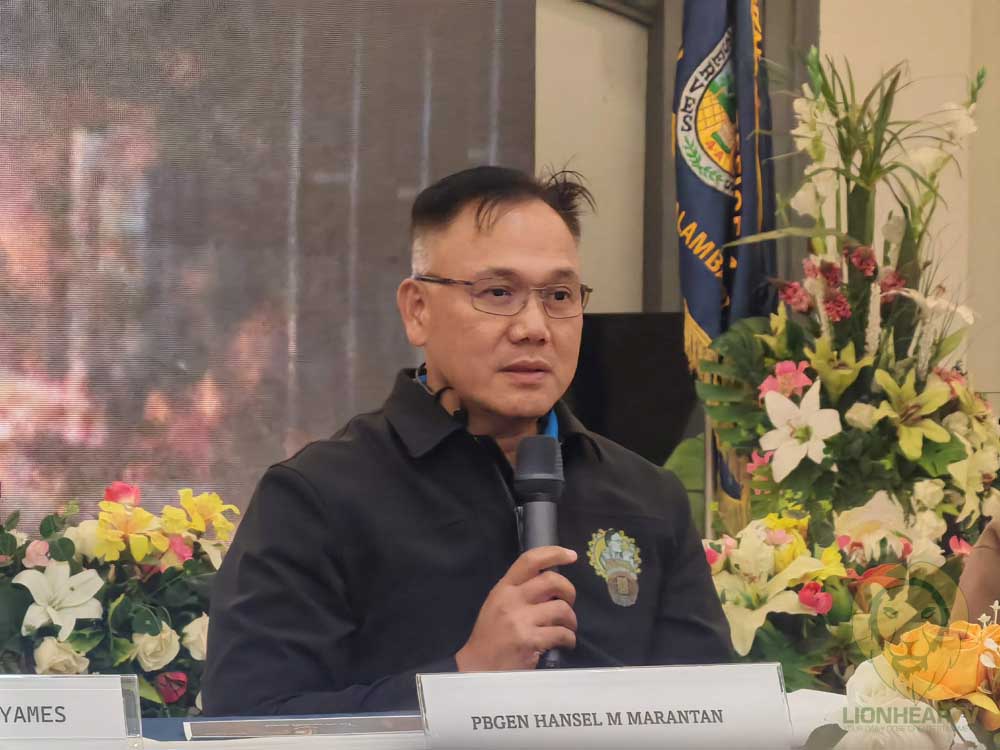
On April 11, 2026, at the PRO 4A MPC Hall inside Camp BGen Vicente P. Lim in Calamba, Laguna, the official press and media launch of Sa Likod ng Tsapa MTV gathered writer-director Editha Z. Caduaya, Police Brigadier General Hansel M. Marantan, members of the press, bloggers, and guests for a full presentation of the docudrama film and its accompanying music video, centered on the life, experiences, and public narrative of Col. Hansel M. Marantan.

The program unfolded inside a controlled, formal setting that gradually shifted into a space of reflection as the documentary and MTV were introduced. The atmosphere carried the weight of a story already known in public discourse, yet presented here with a more personal lens—one that aimed to revisit events, perceptions, and silence from the perspective of those directly involved. The venue in Camp Vicente Lim served as a fitting backdrop, reinforcing the film’s grounding in real institutional experience and public service.

At the center of the launch was ‘Sa Likod ng Tsapa’, a docudrama inspired by the real-life journey of Police Colonel Hansel M. Marantan, portraying a law enforcement officer who rose through the ranks while navigating controversy, scrutiny, and systemic challenges. The narrative positions him not only as a figure of authority but also as someone shaped—and at times constrained—by the very system he served. The production explores how public service can be both a platform for recognition and a space of prolonged conflict.
The event highlighted the film’s international recognition, including the Outstanding Excellence Award at the Documentaries Without Borders International Film Festival and a Special Mention at the Dhaka International Film Festival. These acknowledgments were presented as milestones in the film’s journey, reinforcing its reach beyond local audiences and into global documentary spaces.
During the press conference, attention turned toward Marantan’s personal reflections, particularly on how he has chosen to engage with public perception and long-standing narratives surrounding his name. In a firm and emotional statement, he made clear that withdrawal or resignation from his story was never part of his mindset, stating: “Hindi ako pwedeng magkuwento na loser ako. That’s not me.” The statement carried a tone of resistance against being defined solely by external narratives.
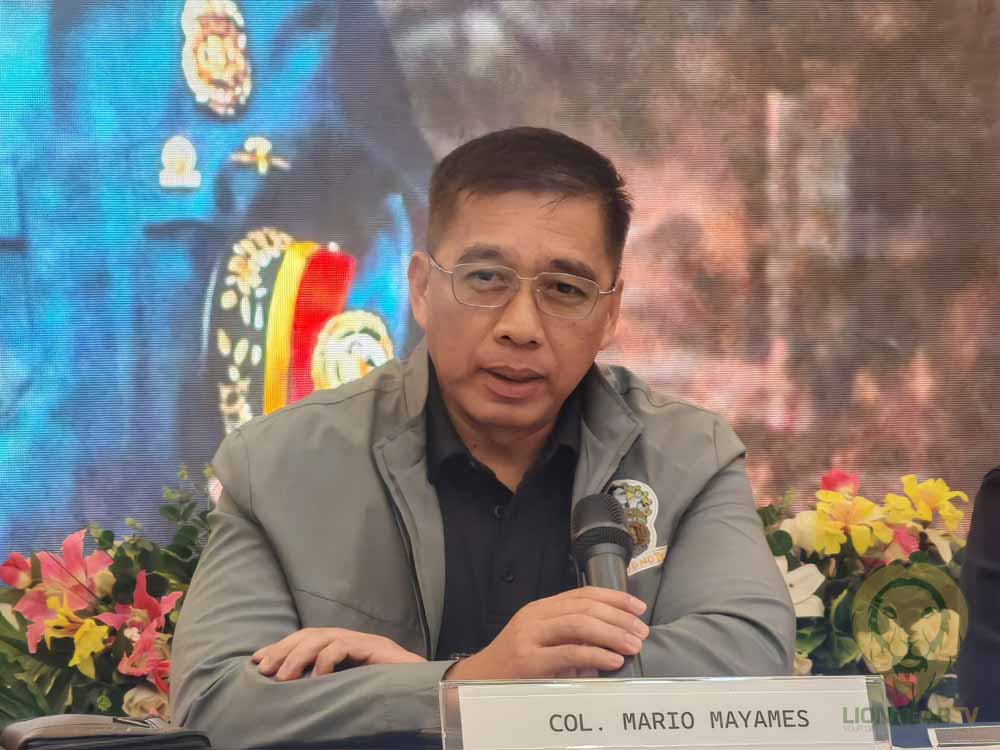
He further addressed the consequences of silence, framing it as something that can reshape truth when left unspoken. As he expressed, “If I will keep my silence, then the truth will be buried forever… baka nakakulong pa kaming lahat hanggang ngayon.” The statement emphasized the importance of speaking out, not only for personal clarity but also for public understanding, suggesting that unresolved silence can prolong misunderstanding over time.
Following the discussion, the official Sa Likod ng Tsapa MTV was unveiled. The music video extended the documentary’s themes through visual storytelling and sound, portraying moments of duty, discipline, and emotional struggle associated with service in uniform. The MTV format added a symbolic layer to the narrative, translating institutional experience into a more expressive, artistic medium.
The film itself, Sa Likod ng Tsapa, presents a docudrama rooted in the life of Col. Hansel M. Marantan—described as an officer who was both elevated and challenged by the system he served. It explores the tension between public perception and personal truth, positioning his journey within the broader complexities of law enforcement, accountability, and narrative control.
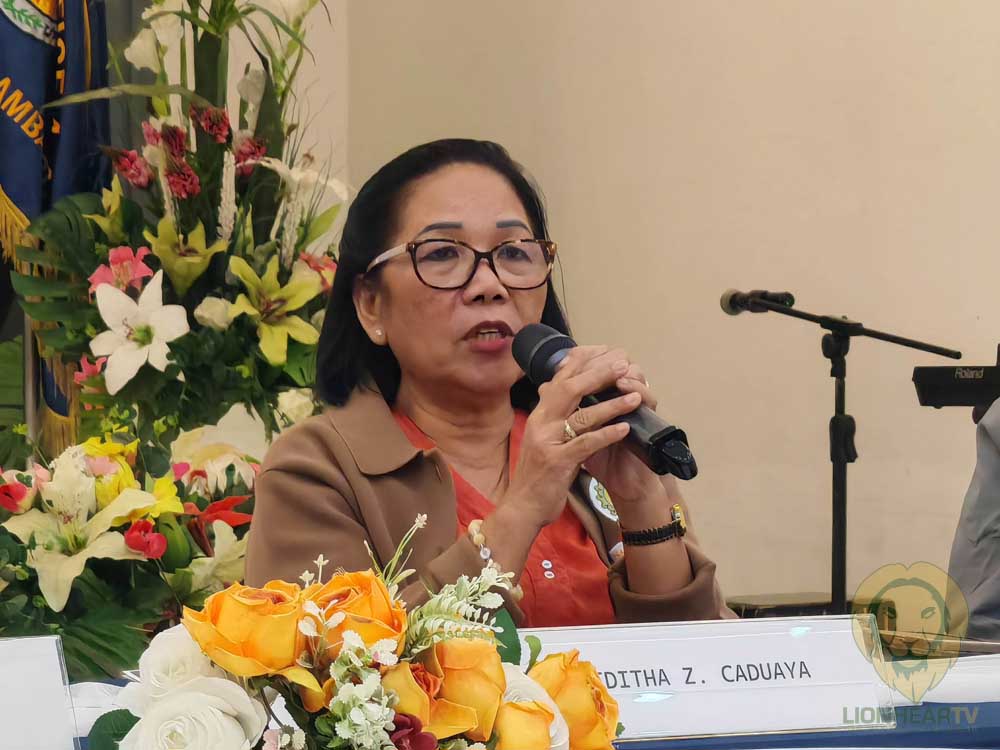
Throughout the launch, the storytelling approach emphasized that the project is not a singular account but a layered reconstruction of memory, perspective, and lived experience. The combination of documentary footage, dramatized retelling, and musical interpretation created a multi-format narrative intended to provoke reflection rather than deliver definitive conclusions.
As the program concluded, what remained was not a simple retelling of events but a deeper contemplation of how stories in public service are formed, contested, and preserved. Sa Likod ng Tsapa ultimately situates itself within that tension—between silence and speech, perception and truth—leaving its audience with questions that extend beyond the screen and into how narratives of duty are understood in public consciousness. (with reports from Loyd Pino)