


Some films entertain. Some educate. And then there are films like ‘Muro-Ami’—movies that leave a lasting imprint long after the credits roll.

Nearly three decades after its original release in 1999, the digitally restored and remastered version of ‘Muro-Ami’ proves why it remains one of the most important films ever produced in Philippine cinema. Directed by the late Marilou Diaz-Abaya and written by Ricky Lee and Jun Robles Lana, the Metro Manila Film Festival Best Picture winner is as relevant and devastating today as it was when it first premiered.
At the center of the story is Fredo (Cesar Montano), a ruthless fishing boat captain consumed by grief, anger, and ambition. After losing his wife and child in a tragic accident at sea, Fredo wages a personal war against the ocean, exploiting both nature and people in the process.
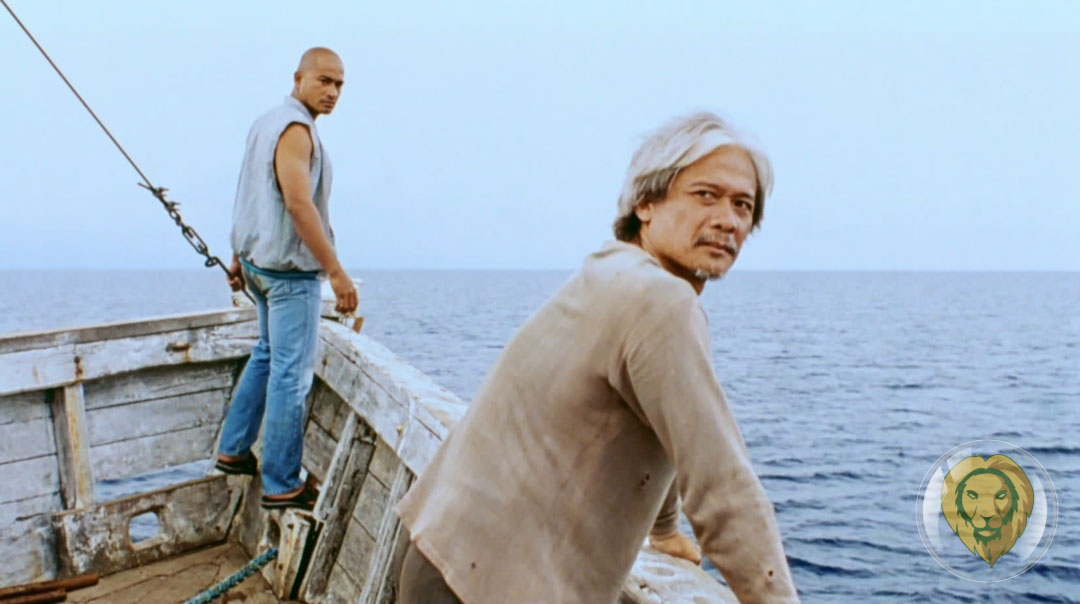
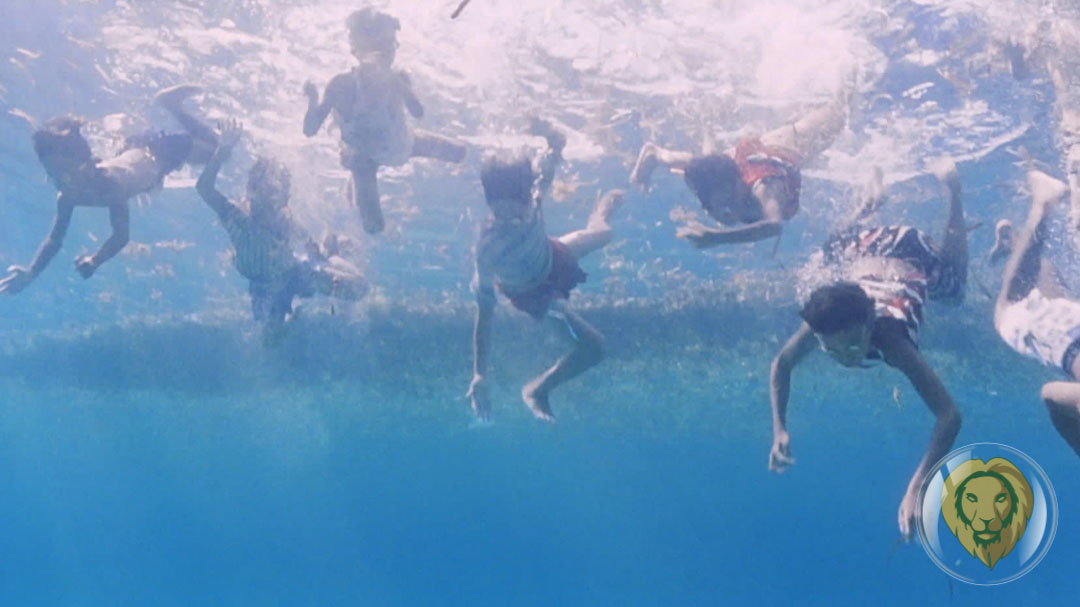
Using the illegal muro-ami fishing method, Fredo forces dozens of child divers to risk their lives daily in exchange for a chance to earn money for their struggling families. The children endure hunger, abuse, exhaustion, and dangerous dives while living in inhumane conditions aboard the fishing vessel Aurora.
What makes ‘Muro-Ami’ so effective is that it never romanticizes poverty or suffering. It presents the brutal realities of child labor with honesty and compassion. The film forces viewers to confront uncomfortable truths about exploitation, environmental destruction, and the cycles of poverty that push vulnerable families into impossible situations.
Cesar Montano delivers one of the finest performances of his career. His portrayal of Fredo is both terrifying and tragic. He is not a one-dimensional villain but a deeply damaged man whose pain has transformed into cruelty. Montano successfully captures Fredo’s internal conflict, making audiences understand the character even as they condemn his actions.

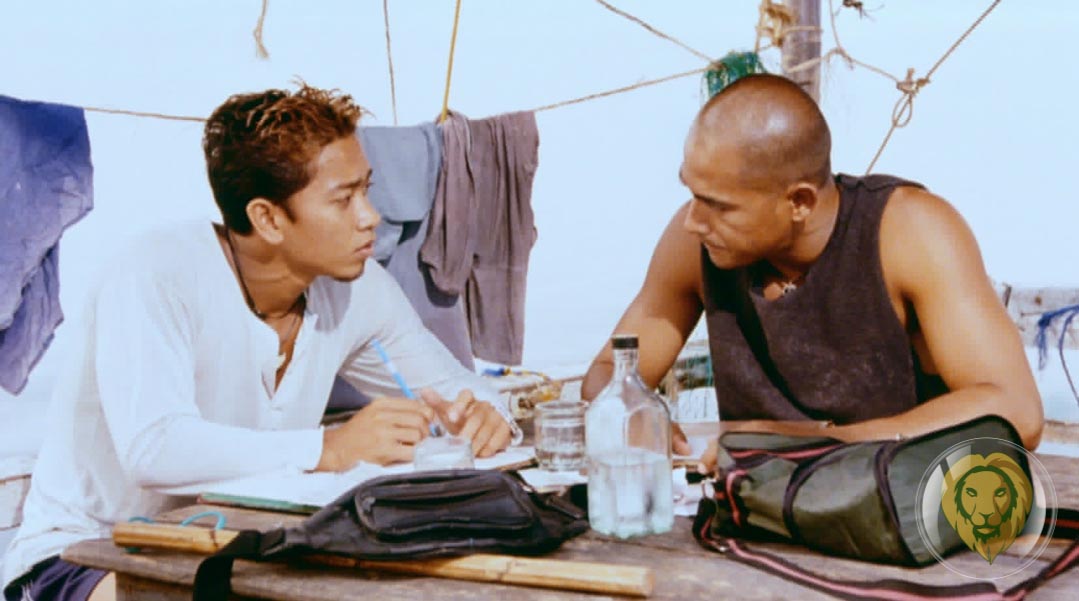
The supporting cast is equally impressive. Pen Medina brings emotional weight and wisdom as Fredo’s father, while Jhong Hilario provides one of his strongest dramatic performances. Rebecca Lusterio, who won Best Child Performer at the MMFF, shines among the young cast, helping humanize the heartbreaking experiences of the children trapped aboard the vessel.

Visually, ‘Muro-Ami’ remains stunning. The underwater cinematography is breathtaking even by today’s standards. The film immerses viewers in both the beauty and fragility of the Philippine marine ecosystem. Ironically, those same breathtaking coral reefs become silent witnesses to the destruction caused by illegal fishing practices.
Beyond its social message, ‘Muro-Ami’ succeeds as a deeply human story. It is ultimately about grief, revenge, survival, and redemption. Fredo’s obsession with conquering the sea mirrors humanity’s tendency to destroy what sustains us. The film’s most powerful lesson is that vengeance—whether directed at people, nature, or oneself—inevitably leads to ruin.
Some modern viewers may find the film’s pacing slower compared to contemporary action dramas. The middle portion occasionally lingers on repetitive routines aboard the vessel. However, these moments also reinforce the exhausting and relentless nature of the children’s daily existence, making the film’s emotional payoff even more impactful.
Watching ‘Muro-Ami’ today is a reminder of how socially conscious Philippine cinema once dared to be. Its themes of labor exploitation, environmental abuse, systemic poverty, and accountability remain painfully relevant in 2026.
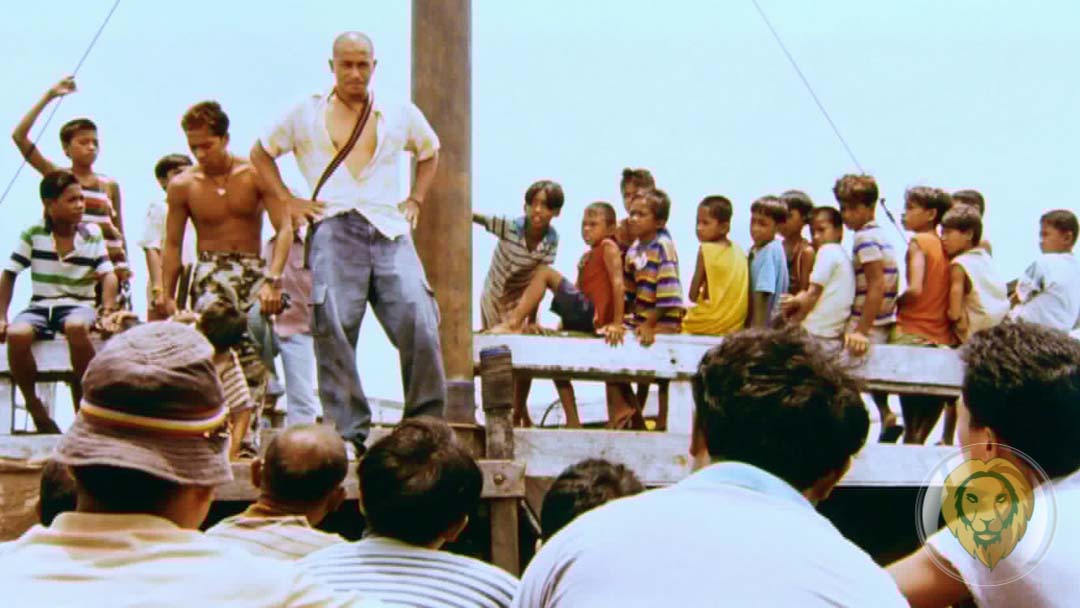
The restoration work deserves praise for preserving a film that should be required viewing for younger generations. In an era dominated by escapist entertainment, ‘Muro-Ami’ stands as a powerful example of cinema’s ability to educate, challenge, and inspire change.
Nearly 30 years later, ‘Muro-Ami’ is not simply a classic—it is essential viewing.
Rating: 4.5/5
