


Artificial intelligence is no longer confined to smartphones and computers—it has now become a key part of the modern television experience.
This was the message Samsung delivered during the launch of its Vision AI ecosystem at BSK Manila, where members of the media, technology enthusiasts, content creators, and industry partners gathered to witness the brand’s latest innovations in home entertainment.
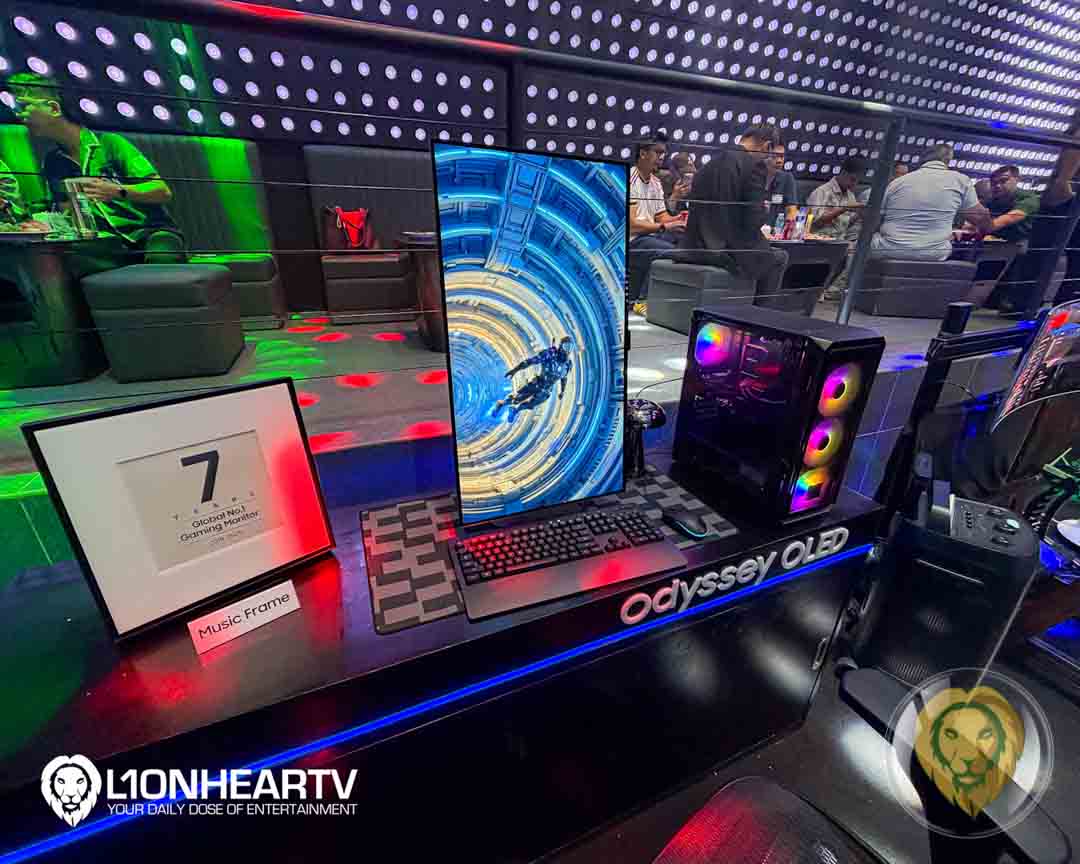
The event wasn’t just about unveiling new television models. Instead, Samsung showcased how artificial intelligence is transforming the way consumers watch movies, play games, enjoy sports, and interact with content in their everyday lives.
Upon entering the venue, guests were welcomed into a series of immersive demonstration zones designed to highlight Samsung’s newest premium displays. Featured throughout the showcase were the company’s latest Micro RGB displays, Samsung OLED TVs, Neo QLED televisions, Mini LED screens, and Odyssey OLED gaming monitors.
Each section offered hands-on experiences that allowed attendees to compare picture quality, responsiveness, and AI-enhanced viewing features firsthand.
What immediately stood out was Samsung’s emphasis on personalization.
Through Vision AI, the televisions are capable of analyzing content in real time and automatically adjusting visual and audio settings based on what is being viewed. Whether it’s a fast-paced basketball game, an action-packed movie, a nature documentary, or a gaming session, the system intelligently optimizes performance to create a more immersive experience.

During the live demonstrations, attendees were able to observe how the technology enhanced details often missed during traditional viewing. Colors appeared richer, contrast levels became more dynamic, and scenes gained greater depth and clarity. The improvements were particularly noticeable in cinematic content and sports footage, where motion remained smooth and highly detailed even during fast-moving sequences.
Samsung representatives explained that Vision AI was developed to remove much of the guesswork from television settings.
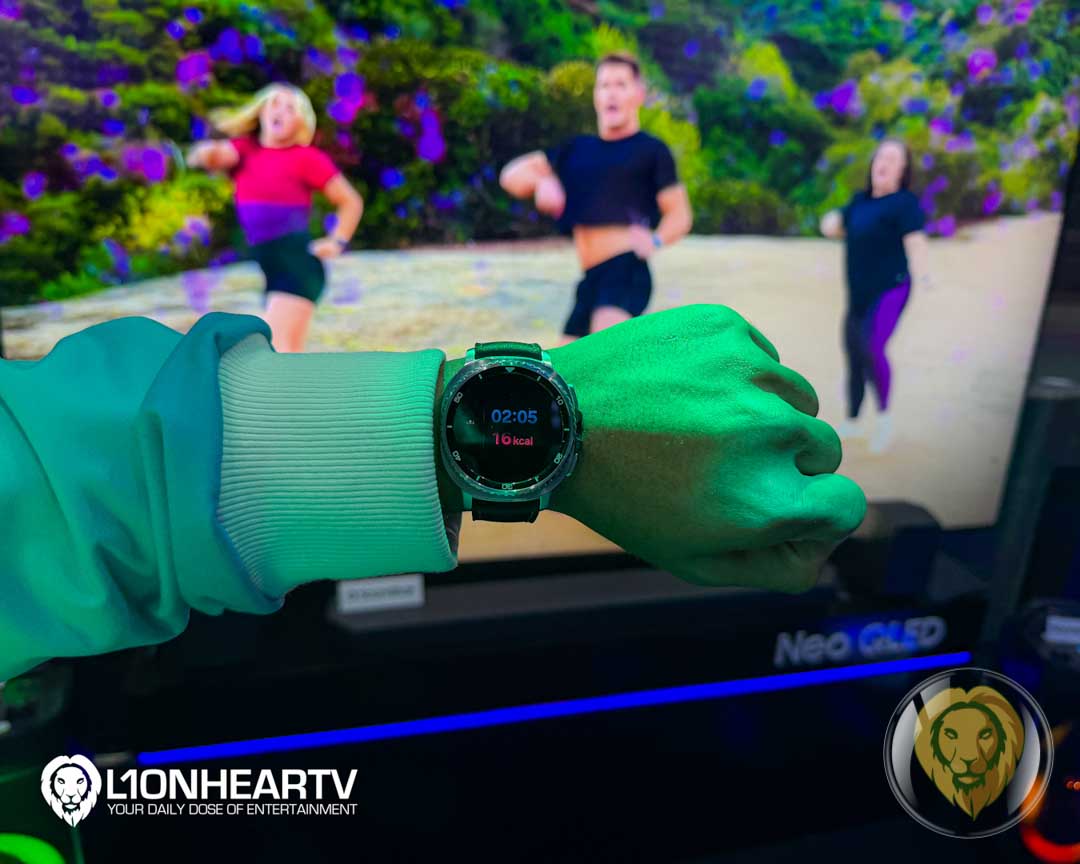
Instead of manually adjusting brightness, sound levels, and picture modes, users can rely on the system to make intelligent decisions based on viewing conditions and content type. The goal is to create a seamless experience where the technology works quietly in the background while viewers focus entirely on the content.
One of the notable personalities present at the event was popular food content creator Ninong Ry, who shared his thoughts on how advancements in display technology can benefit digital creators.
Known for producing visually engaging food content, Ninong Ry explained that high-quality displays have become increasingly important not only for entertainment but also for content evaluation and creative work. He noted that the enhanced color accuracy and sharper picture quality offered by Samsung’s latest televisions can help creators better appreciate details that are often essential in food production, from presentation to texture and overall visual appeal.
His insights highlighted an emerging trend: televisions are no longer simply devices for passive viewing but are becoming tools that support creativity, productivity, and digital lifestyles.
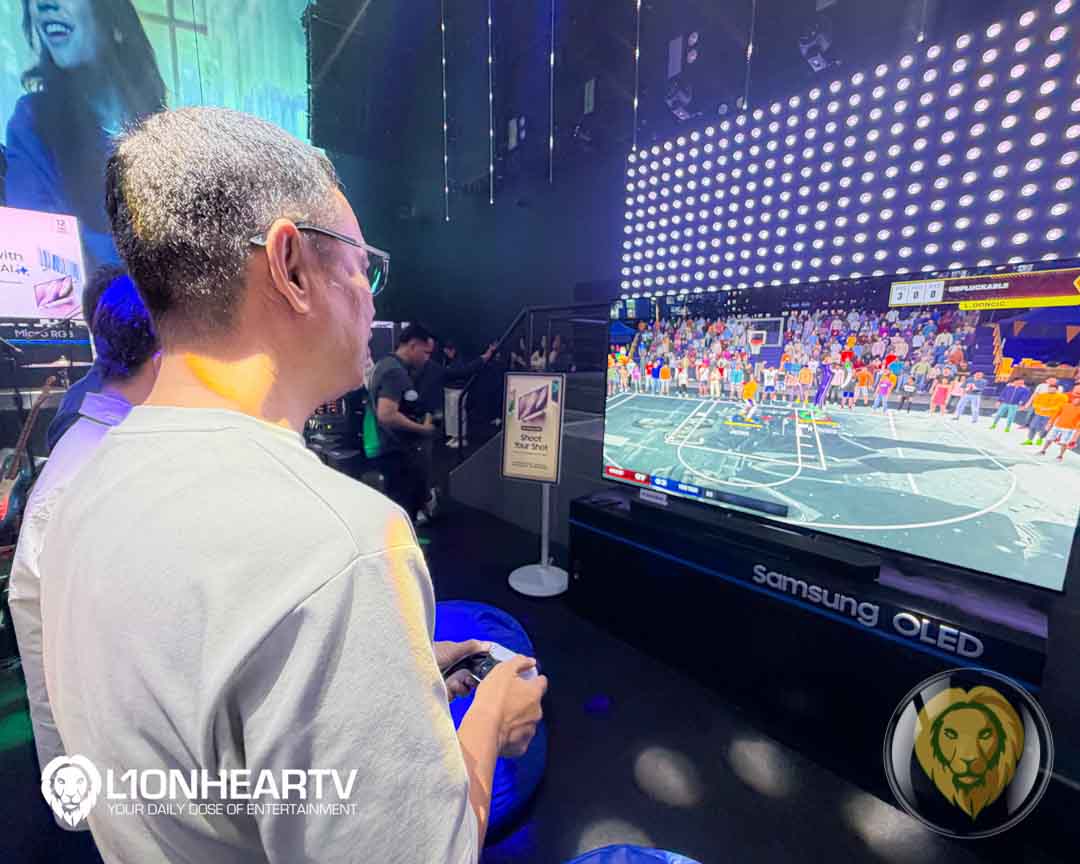
Beyond entertainment, Samsung also demonstrated how Vision AI can adapt to different users and viewing habits. The technology learns preferences over time, allowing for a more customized experience tailored to individual households.
This adaptive approach reflects a broader shift in consumer technology, where devices are becoming increasingly intuitive and capable of responding to user behavior automatically.
Throughout the event, attendees moved from one demonstration area to another, testing various products and experiencing firsthand how artificial intelligence is shaping the next generation of displays.
The launch ultimately reinforced Samsung’s position at the forefront of innovation in the television industry. More importantly, it illustrated how AI is evolving from a buzzword into a practical feature that delivers tangible benefits to everyday consumers.
As the presentations concluded and guests continued exploring the exhibits, one thing became evident: the future of television is no longer defined solely by screen size or resolution.
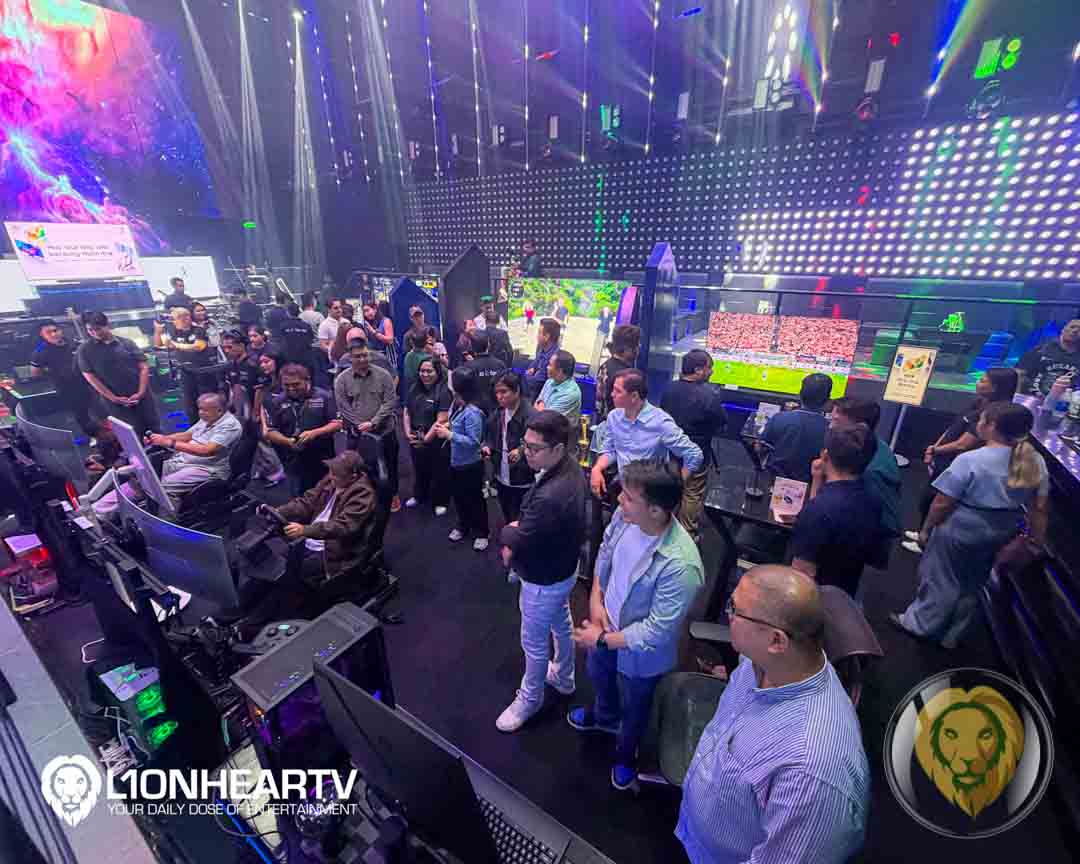
With Vision AI, Samsung is betting that the next frontier of home entertainment lies in smarter, more personalized experiences—where televisions don’t just display content but actively enhance the way people experience it. (with reports from Carlos Aragon)
