


The historic Metropolitan Theater took on a distinctly Southeast Asian character on August 9 as the ASEAN Cultural Center in Manila (ACCM) was officially launched, opening a new chapter for cultural exchange between the Philippines and its ASEAN neighbors.

The launch brought together guests and cultural advocates for an occasion centered not only on the establishment of a new cultural space, but also on the idea of making Southeast Asian stories more accessible to Filipino audiences.
Adding significance to the celebration was the presence of First Lady Liza Marcos, who attended the opening in support of the initiative and its goal of strengthening cultural connections within the ASEAN community.
A New Place to Experience ASEAN Culture
At the heart of the new center is a simple but meaningful idea: bring the cultures of Southeast Asia closer to the people.
The ACCM is envisioned as a space where visitors can encounter the traditions, arts, stories, and creative expressions of different ASEAN countries through cultural programs and activities.
For Filipino visitors, this creates an opportunity to explore the region without having to travel far.
Instead of learning about neighboring countries only through books, social media, or tourism, audiences can experience their culture through programs that encourage interaction and discovery.
More Than a Cultural Showcase
What makes the center particularly significant is its potential to turn cultural exchange into an ongoing experience.
Southeast Asia is made up of countries with distinct languages, traditions, histories, and artistic identities, but there are also countless similarities that connect the region.
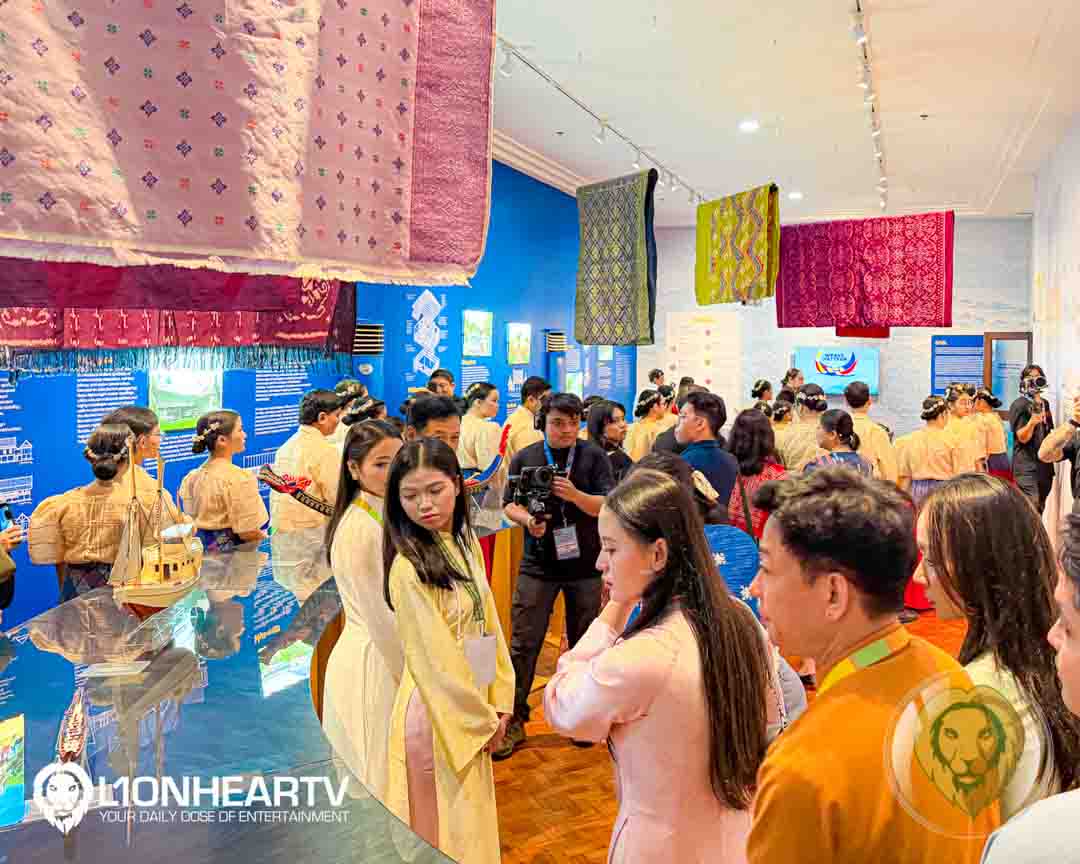
Food, music, craftsmanship, celebrations, family traditions, and storytelling often reveal these shared influences.
The ACCM provides a platform where these similarities and differences can be explored, giving Filipino audiences a better understanding of the communities that make up the ASEAN region.
The Metropolitan Theater Sets the Stage
The choice of the Metropolitan Theater as the venue for the launch made the occasion even more meaningful.
Known for its connection to Philippine performing arts and cultural history, the theater provided a fitting backdrop for an initiative centered on preserving, sharing, and celebrating culture.
Inside the historic venue, the launch represented an intersection of Philippine heritage and regional identity—a reminder that cultural spaces can continue to evolve while remaining connected to their roots.
The opening also highlighted the broader role that culture can play in strengthening relationships between countries.
Diplomatic and economic ties are important, but cultural understanding creates another kind of connection—one built through stories, creativity, traditions, and shared experiences.
By giving ASEAN communities and cultural practitioners a space to connect with Filipino audiences, the ACCM can help encourage conversations that extend beyond borders.
For visitors, it can also become a place to discover unfamiliar traditions and perhaps recognize elements of their own culture reflected in those of their neighbors.

With its official launch, the ASEAN Cultural Center in Manila begins as more than another venue for cultural activities.
It opens the possibility of becoming a meeting point for artists, educators, cultural communities, students, families, and anyone curious about Southeast Asia.
Its programs can introduce audiences to different ASEAN traditions while creating opportunities for cultural practitioners to share their work and stories.
The presence of First Lady Liza Marcos at the opening further underscored the importance placed on the initiative and its role in bringing communities closer through culture.
As the ACCM moves forward, its biggest promise may be its ability to make ASEAN feel less like a regional concept and more like a collection of real people, stories, traditions, and experiences that Filipinos can encounter firsthand.
The launch at the Metropolitan Theater marked the beginning of that journey—and opened a new cultural door for Manila to discover the richness of Southeast Asia, one story and one connection at a time. (with reports from Carlos Aragon)
