

A shift in direction for Original Pilipino Music unfolded on April 14 at Viva Café, where the Philippine Association of the Record Industry (PARI), under newly appointed president Enzo Valdez, formally introduced key changes ahead of the upcoming Awit Awards.
The announcement carried the atmosphere of transition—measured, deliberate, and closely watched by a room filled with representatives from 35 record labels and six partner organizations.
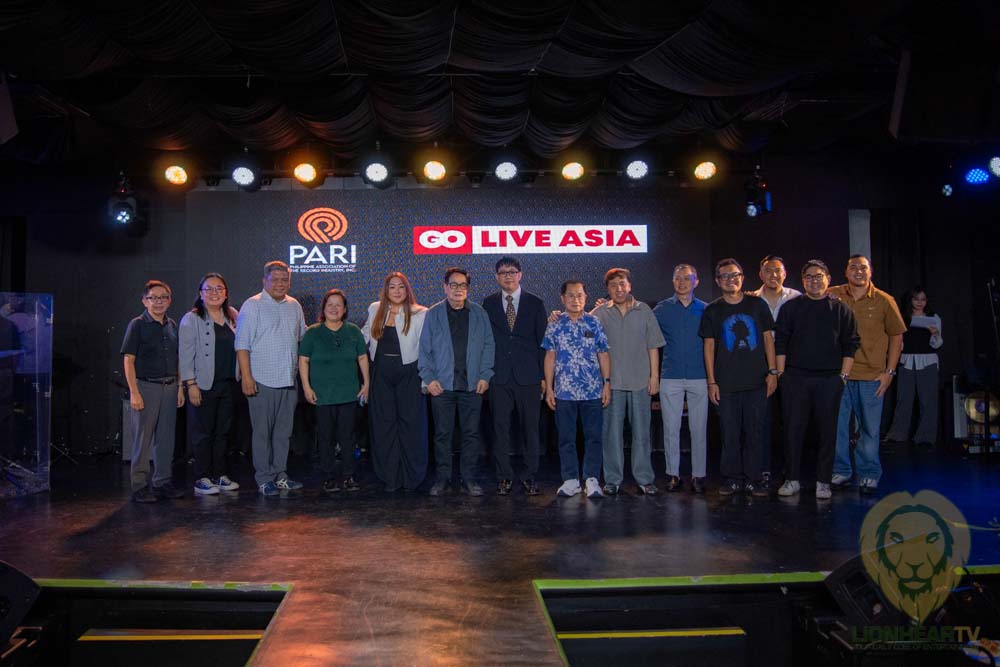
The gathering opened with a sense of quiet intensity. Conversations among executives, producers, and industry stakeholders carried a shared recognition that the local music landscape is no longer shaped by traditional gatekeepers alone. Streaming platforms, independent releases, and digital-first artists have already redrawn the boundaries of visibility—and the Awit Awards are now adapting to reflect that reality.
At the core of the announcement was a structural shift: the 39th Awit Awards will now welcome entries from non-members and independent artists. The change immediately reframes the awards as a more open platform, one where recognition is no longer limited by affiliation. For many in attendance, the update signaled a broader acknowledgment of how Filipino music continues to evolve beyond established systems.

The introduction of the Awit Voting Community (AVC) further reinforced this direction. Rather than relying solely on a fixed panel, the AVC draws from a wider pool of past judges, finalists, and industry professionals. The result is a voting body shaped by lived experience in the music industry—individuals who have contributed to or been recognized within the same ecosystem they now help evaluate. With over a thousand expected voters, the scale of participation introduces a more distributed form of decision-making, reflecting the increasingly diverse nature of OPM itself.
As details were shared, attention also turned to the addition of two new major categories: Songwriter of the Year and Producer of the Year. The recognition of these roles subtly shifts the spotlight away from performance alone and toward the architecture of music creation. It acknowledges that behind every track that resonates with audiences, there are creative forces shaping melody, structure, and sonic identity long before a song reaches listeners.

The announcement of standardized Gold, Platinum, and Diamond certifications added another layer of structure to the evolving system. These benchmarks are positioned as the industry’s official measure of success, offering a consistent way to track achievement across physical sales and digital streaming. In a landscape where music consumption is fragmented across platforms, the move aims to restore clarity around commercial milestones.
Strategic collaborations with partner organizations were also highlighted, reinforcing the idea that the industry’s future is being shaped collectively rather than in isolation. The presence of multiple stakeholders in the room reflected a shared investment in building a more unified framework for recognition, promotion, and sustainability within OPM.

Looking ahead, the 39th Awit Awards is scheduled for September at the Mall of Asia Arena. The venue choice mirrors the scale of ambition being set—an event positioned not just as an annual awards night but as a broader statement about where Philippine music is headed.
Throughout the press conference, a consistent theme emerged without needing to be explicitly stated: accessibility. Whether through expanded eligibility, broader voting representation, or new categories recognizing behind-the-scenes contributors, the changes collectively point toward a more inclusive framework.
As the session concluded, the atmosphere lingered with a sense of recalibration rather than conclusion. The announcements did not simply introduce new rules for an awards show—they outlined a reimagined ecosystem for OPM, one that increasingly reflects the diversity, independence, and global reach of today’s Filipino artists. (with reports from Loyd Pino)