


When customers walk into your store, they’re not just looking for products. Whether they realize it or not, they’re also looking for a positive experience. Customer satisfaction, in its simplest sense, is how well your business meets or exceeds this often unspoken expectation.
Unfortunately, many Filipino retail businesses unwittingly fail customer expectations by sticking with outdated methods and perspectives. Today’s consumers are more knowledgeable than ever, and with the world of online shopping right on their phones, they expect more when they visit a physical store. While value and quality remain primary drivers, in-store customers also want to feel valued and understood—not pressured. When you meet these needs through service quality, convenience, and reliability, it ultimately leads to lower sales costs and easier customer retention, both of which are advantageous when you’re competing against thousands of online stores.
Among the many elements that shape these in-store experiences, the checkout process plays a surprisingly large role. Given today’s expectations, a slow or error-prone payment system can undo an otherwise pleasant visit. This is where having better payment processes can make a difference, creating smoother and more secure transactions that give customers a positive impression of your business.
Rather than simply integrating the best payment terminal available, you should also know how better payments create happier customers. Once you learn how your payment processes influence customer satisfaction, you’ll soon be setting your business apart, for all the right reasons. Let’s start with the most visible part of your payment process: the checkout itself.
1. Faster Checkouts and Better Flexibility Reduce Frustration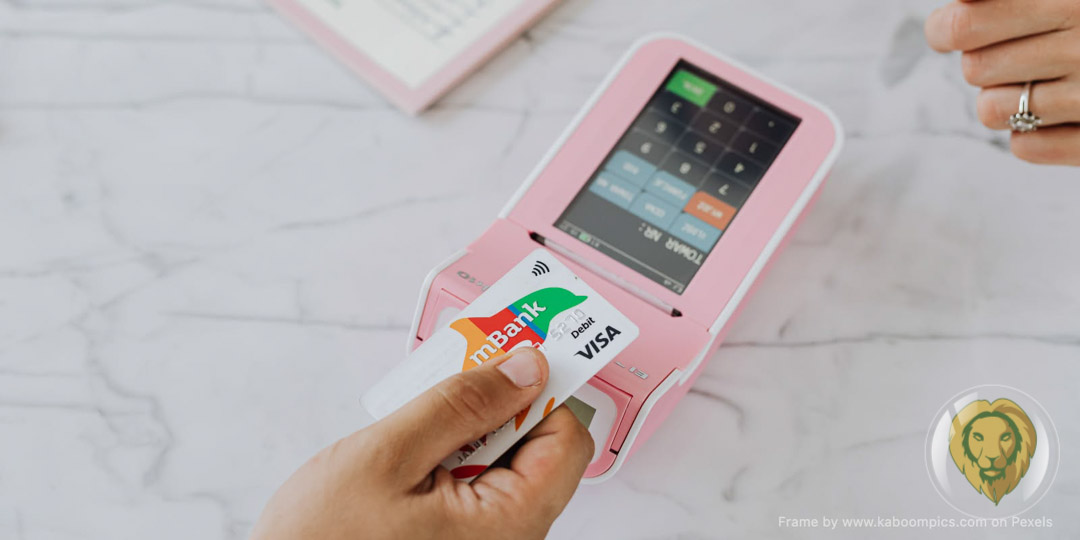
Few things test a customer’s patience like a long line at the counter. Some business owners contend that long lines help demonstrate social proof. While this may work in a restaurant with limited seating, it’s not applicable in retail situations. Indeed, slow payments or limited payment options are enough to turn away even the most loyal shoppers.
Modern payment terminals, like Maya Terminal, enable quicker transactions by seamlessly supporting multiple electronic payment types, including debit, credit, contactless, and QR code payments. Since you’ll only need one tool to accommodate all these different choices, wait times can be reduced significantly. With a flexible and speedy payment process, you’ll communicate respect for customer preferences, an underrated factor that directly improves satisfaction levels.
2. Better Payment Processing Protects the Customer Experience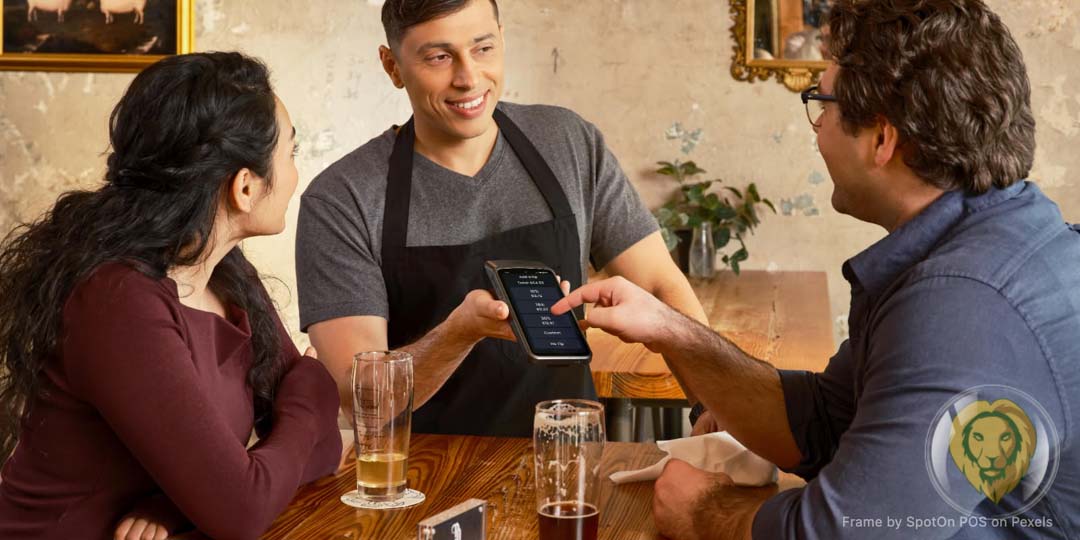
Outdated systems that require human intervention are naturally more prone to human error. The mistakes may be innocent, but wrong totals, mismatched change, or incomplete records can quickly erode trust, regardless. Thankfully, updating your payment processes can minimize these errors.
Modernized payment systems reduce human-related errors and delays through automation and real-time reconciliation, ensuring accuracy at every transaction. These systems can even break down costs and provide digital or printed receipts. The result is fewer disputes, fewer refunds, and happier customers.
3. Modern Systems Build Customer Confidence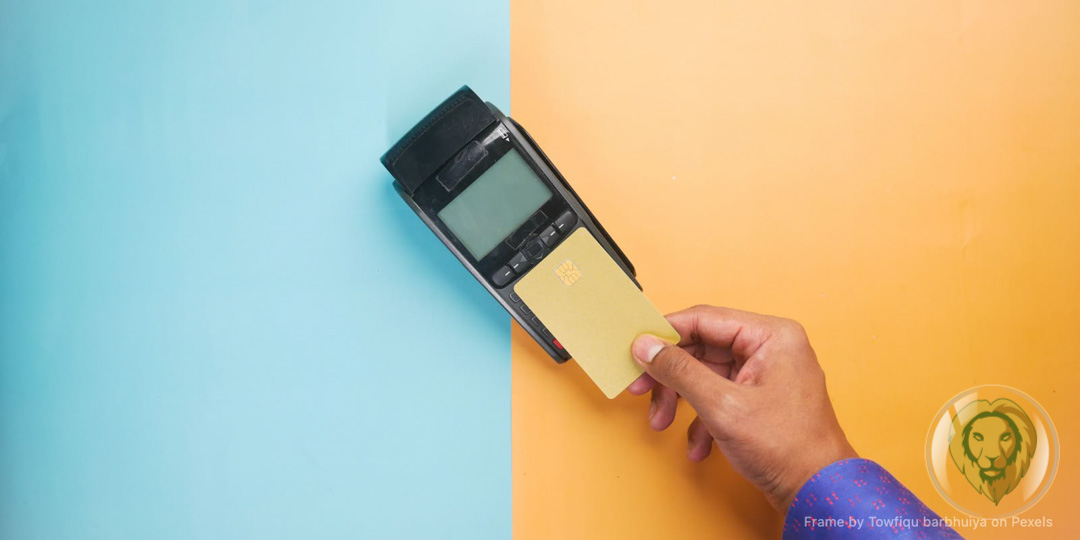
As you might expect, modern payment terminals and updated systems go a long way in reassuring customers that your business is capable and professional. Asking customers to wait while an obsolete swipe reader reconnects to the network can undermine confidence in your operations. Viewed in this light, investing in reliable payment tools is as much an image upgrade as it is a technical one.
4. Transparent Systems and Faster Adjustments Encourage Trust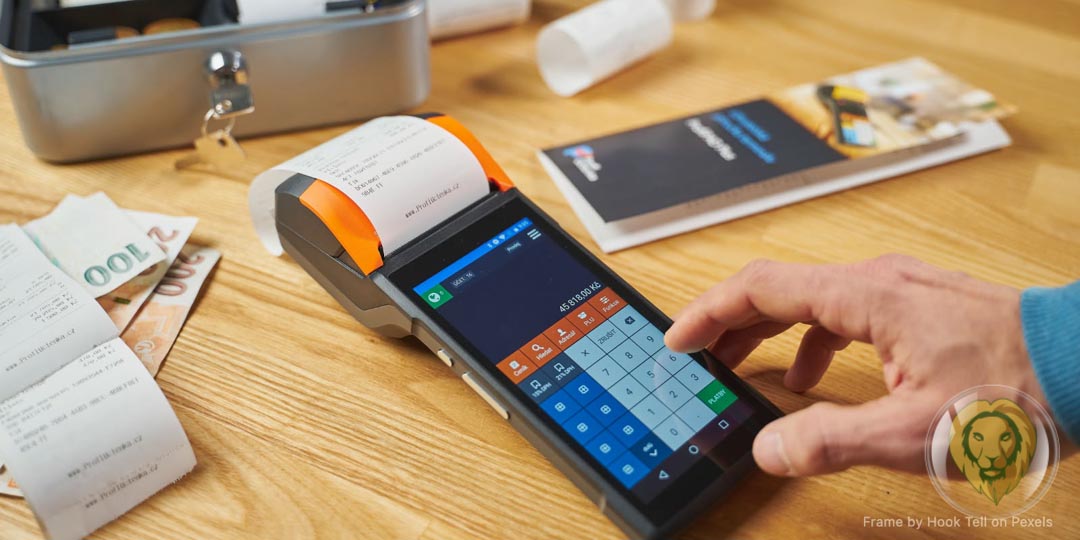
No system is completely foolproof, but modern payment processes offer you and your customers far fewer headaches if something does go wrong. Modern payment technologies offer more transparency and enable faster issue resolution, demonstrating care for customers and helping you gain goodwill from what would have been bad situations.
5. Post-Purchase Data Helps You Understand Customer Behavior
Payment data can reveal spending patterns, such as peak shopping hours and preferred payment methods within specific markets. Of course, these insights can help you further streamline your checkout flows. However, and more importantly, they can also tip you off to emerging trends in customer behavior. This can have implications on everything from marketing strategy and inventory planning to pricing models and product development. When customers see that your business evolves around their habits, it drives home the idea that you truly understand them.
Keep Your Checkout Experience as Smooth as Your Service
Your relationship with your customers doesn’t end at the first sale. Your business would be rather unsustainable if it did. Rather, your customer relationships continue to develop both during and after payment. Given the massive impact that payments have on the customer experience, you owe it to your business to treat every transaction as an opportunity to build trust, loyalty, and long-term satisfaction.
Start your path to effortless customer satisfaction by integrating a reliable payment terminal that meets modern customer expectations for speed, flexibility, and security. Next, make sure all your internal stakeholders understand how the payment experience shapes overall satisfaction. Anyone who handles your payment technologies must also be trained to use your new tools effectively and guide customers through payments, as needed.
When your payments run smoothly, your reputation follows suit. Soon, your customers will be just as likely to come back for the experience as they are for the products.
