
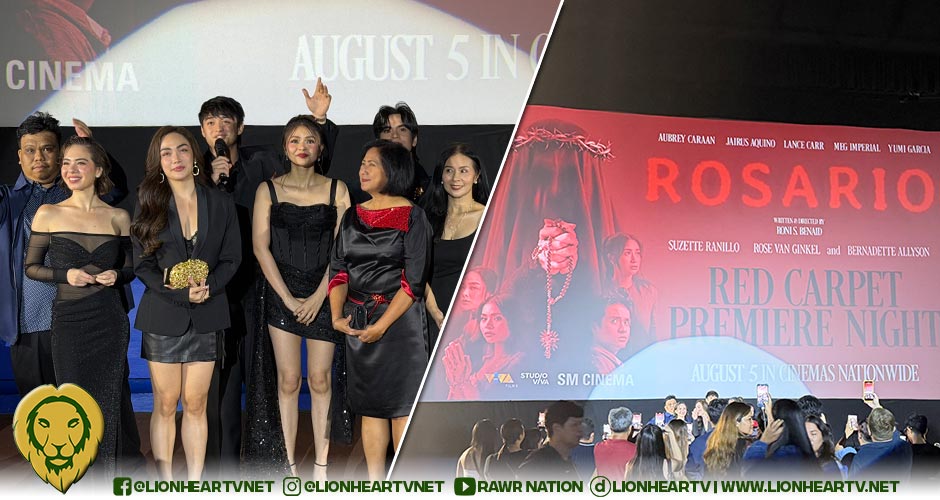

Viva Films’ latest horror offering, ‘Rosario’, proves that even a familiar horror formula can still work when executed effectively. While the film doesn’t reinvent the genre, director Roni S. Benaid succeeds in creating a tense and entertaining supernatural thriller rooted in Filipino beliefs and traditions.
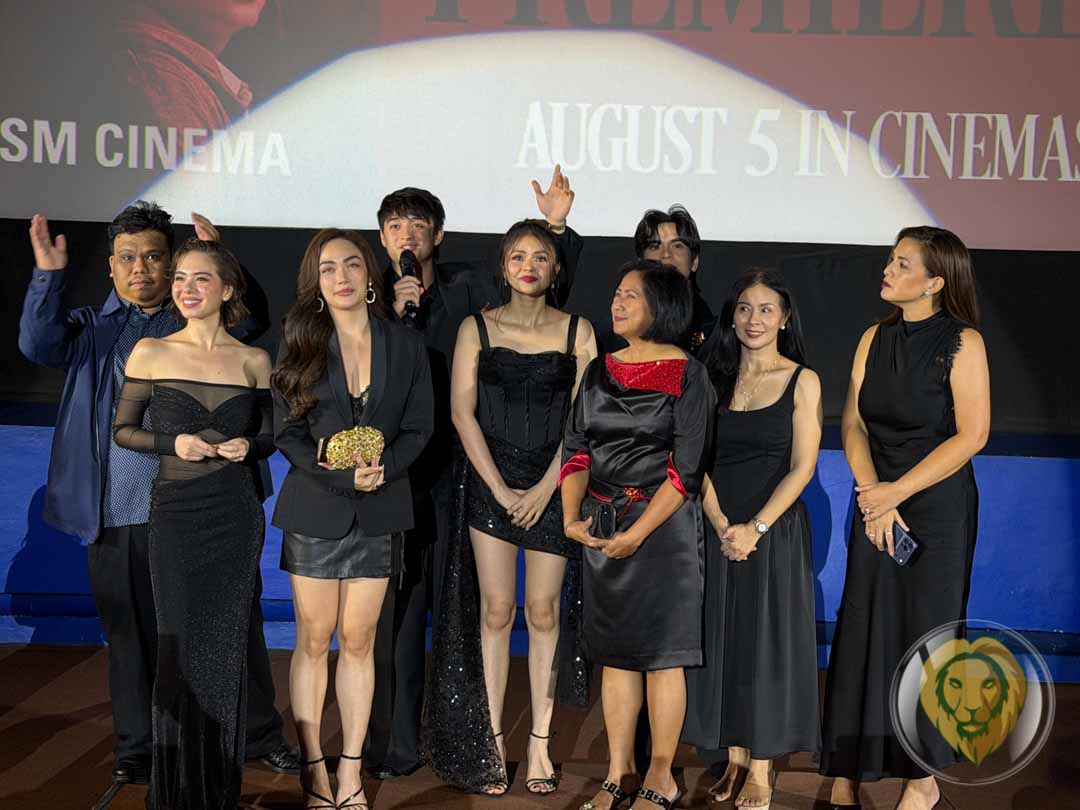
At its core, ‘Rosario’ revolves around a curse born from a forgotten funeral superstition involving a rosary placed in the hands of the deceased. The concept immediately gives the film a distinctly Filipino identity, tapping into long-held cultural beliefs that make the horror feel more personal and unsettling.
From the opening sequence until the middle portion, the film steadily builds suspense through an eerie atmosphere rather than relying solely on jump scares. Although there are plenty of startling moments, what truly keeps viewers on edge is the film’s sense of dread. Dark locations, unsettling sound design, and carefully paced tension create an experience that gradually draws audiences into its terrifying world.
Visually, the film keeps things relatively simple, but the practical effects are far more effective than the limited visual effects on display. While additional practical horror sequences could have elevated the scares even further, the production works well within its apparent budget.
The ensemble cast delivers mixed but mostly solid performances.
Aubrey Caraan and Lance Carr are a refreshing pairing whose natural chemistry provides welcome emotional grounding amid the chaos. Their scenes together offer moments of calm that make the horror even more effective when it strikes.

Jairus Aquino once again demonstrates why he remains one of the strongest young actors of his generation, delivering another confident and emotionally convincing performance.
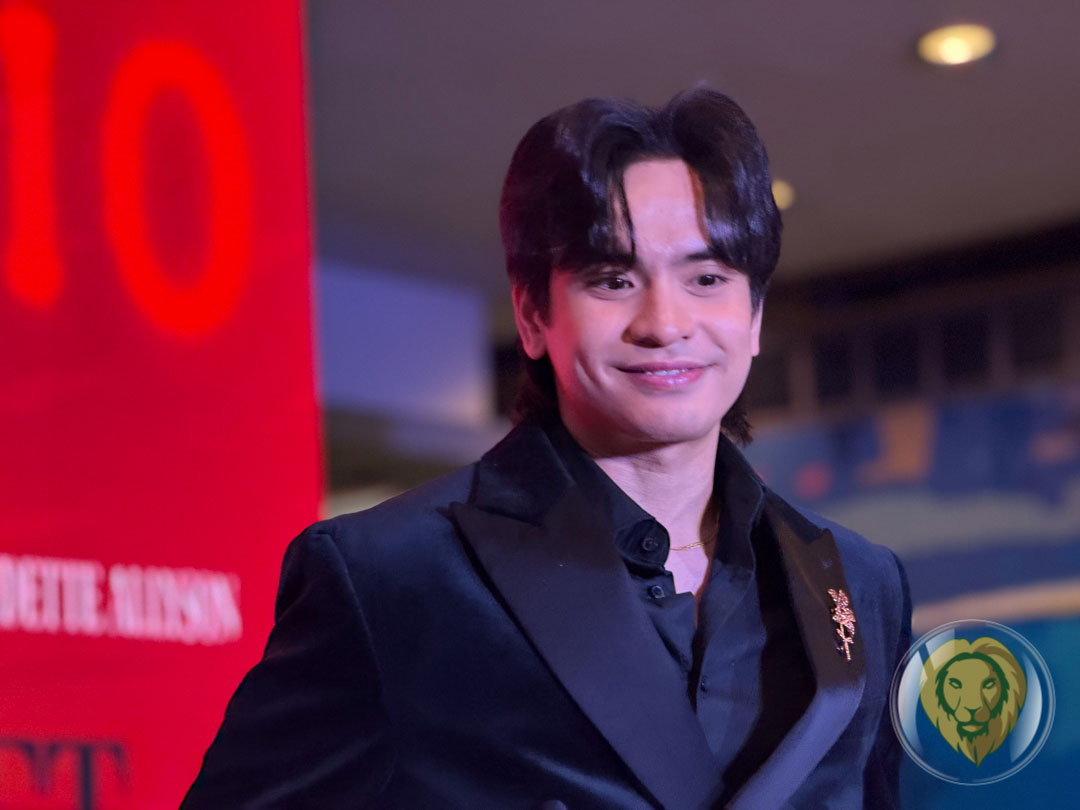
Yumi Garcia plays a major role in the story, but her performance doesn’t quite reach the emotional depth the character demands. While she has several important scenes, her chemistry with the rest of the cast—particularly with the woman who raised her—feels underdeveloped. The role had greater potential had the emotional reactions and interactions been explored more deeply.
Meanwhile, Meg Imperial’s character feels underwritten. Her portrayal comes across as serviceable, but the performance and character could have benefited from greater nuance and stronger dialogue. On the other hand, Suzette Ranillo is highly effective as the easily offended, sharp-tongued aunt whose actions inadvertently trigger the curse.

One minor disappointment is Rose Van Ginkel’s limited screen time. Although the mystery surrounding Rosario is intriguing, expanding her backstory could have strengthened the emotional stakes and made the supernatural threat even more compelling.
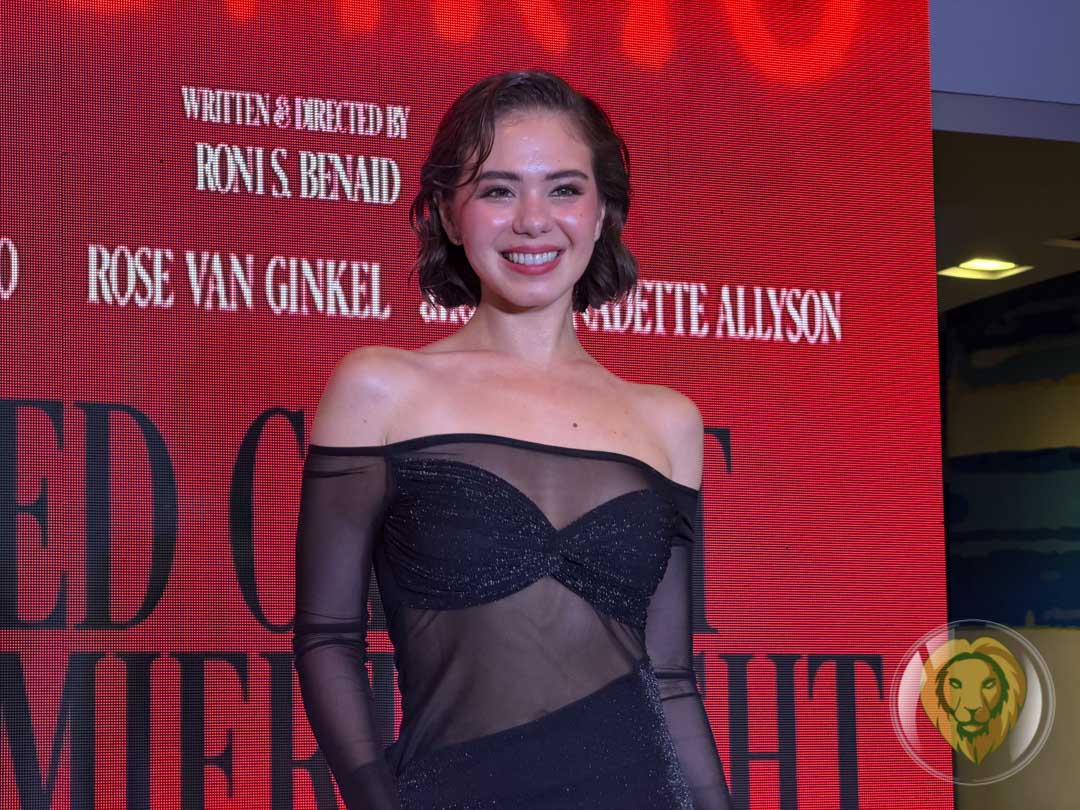
Where ‘Rosario’ stumbles is in its climax.
Without revealing major spoilers, the ending feels frustrating because the fate of some of the remaining characters appears to result more from poor decision-making than from the supernatural curse itself. Their deaths feel preventable, making the finale less satisfying than the strong buildup that precedes it.
Still, Benaid continues to showcase his affinity for incorporating Filipino folklore, superstitions, and Catholic traditions into horror storytelling—a style previously seen in his films ‘Mary Cherry Chua’ and ‘Nanay, Tatay’. With ‘Rosario’, that signature approach feels more polished and confident, resulting in one of his stronger efforts to date.
While ‘Rosario’ may not be a groundbreaking horror film, it succeeds where it matters most: it creates genuine suspense, delivers effective scares, and offers a story that feels uniquely Filipino.
Rating: 2.75 out of 5 stars.
If you’re looking for a horror film that relies more on atmosphere, folklore, and steadily escalating tension than nonstop jump scares, ‘Rosario’ is worth watching—even if its final act doesn’t entirely live up to the promise of its excellent setup.
