
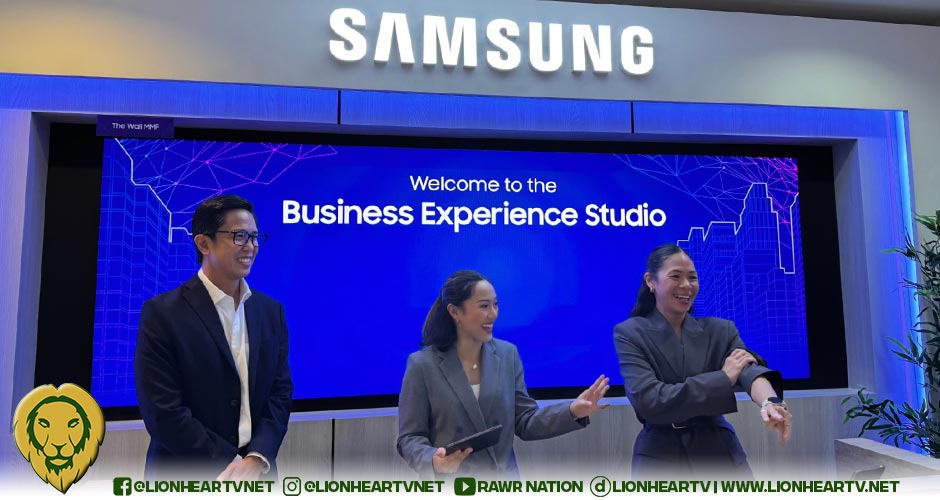
What was expected to be a standard tech showcase transformed into a compelling preview of the near future as Samsung Electronics Philippines opened the doors to its new Business Experience Studio and SmartThings Home Showroom at its headquarters in McKinley Hill, Taguig.
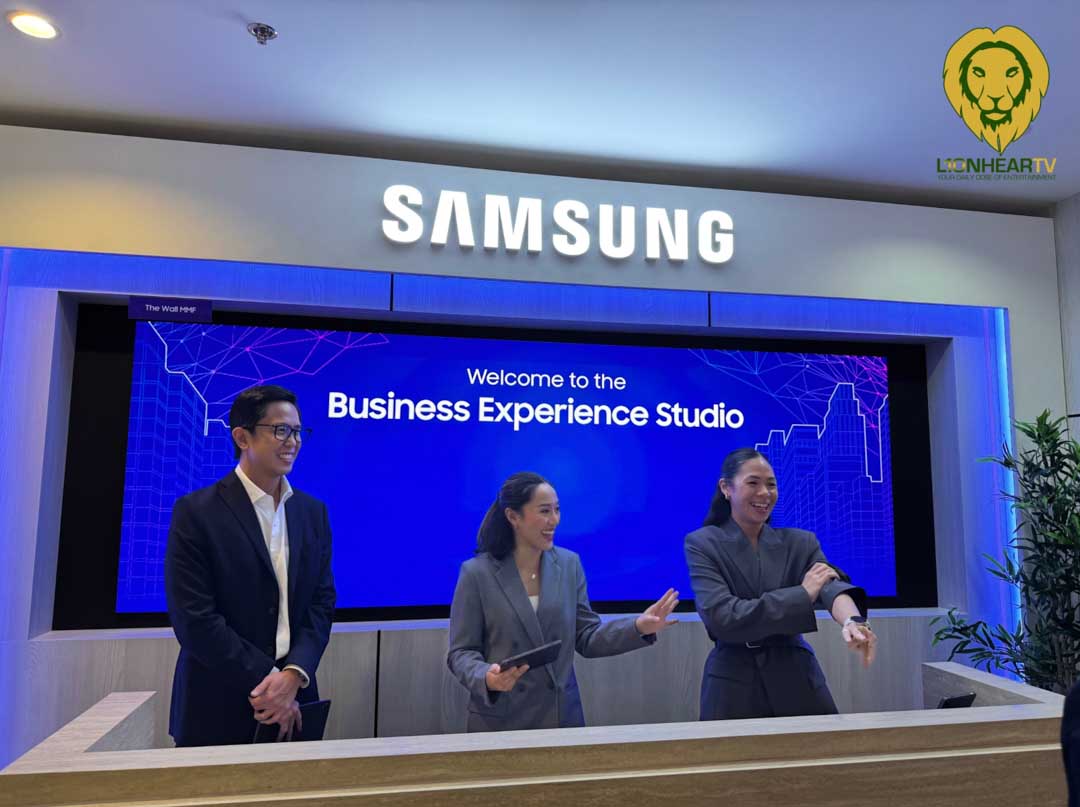
Stepping inside, visitors were greeted with lights that responded on their own, displays that shifted intelligently, and devices that communicated seamlessly—an environment that felt less like an exhibit and more like a functioning blueprint of how businesses and homes will operate in the years to come.
Samsung reimagined hospitality, retail, education, enterprise, and high-compliance industries through immersive demos that showed how deeply integrated systems can elevate everyday interactions. While the solutions are designed for businesses, their effect is something every guest, customer, or commuter will eventually feel the moment they enter a hotel room, walk into a café, or step inside a store.
In the hospitality zone, Samsung demonstrated how hotels can streamline operations and enhance guest comfort through connected technologies.
The digital concierge and automated check-in system reduce long queues, while the SmartThings-powered room controls pull together lighting, entertainment, cooling, and comfort adjustments into one intuitive interface.
Samsung’s hospitality TVs, paired with immersive audio and cooling solutions such as the One-Way Cassette and WindFree Air Conditioners, create a personalized and restorative room environment that adapts naturally to guest preferences—without manual adjustments.
Anthony Acador, head of Samsung Philippines’ One Samsung B2B Vertical, said the setup allows guests to control everything “with just the tap of your finger,” making rooms smarter, more intuitive, and far more relaxing.
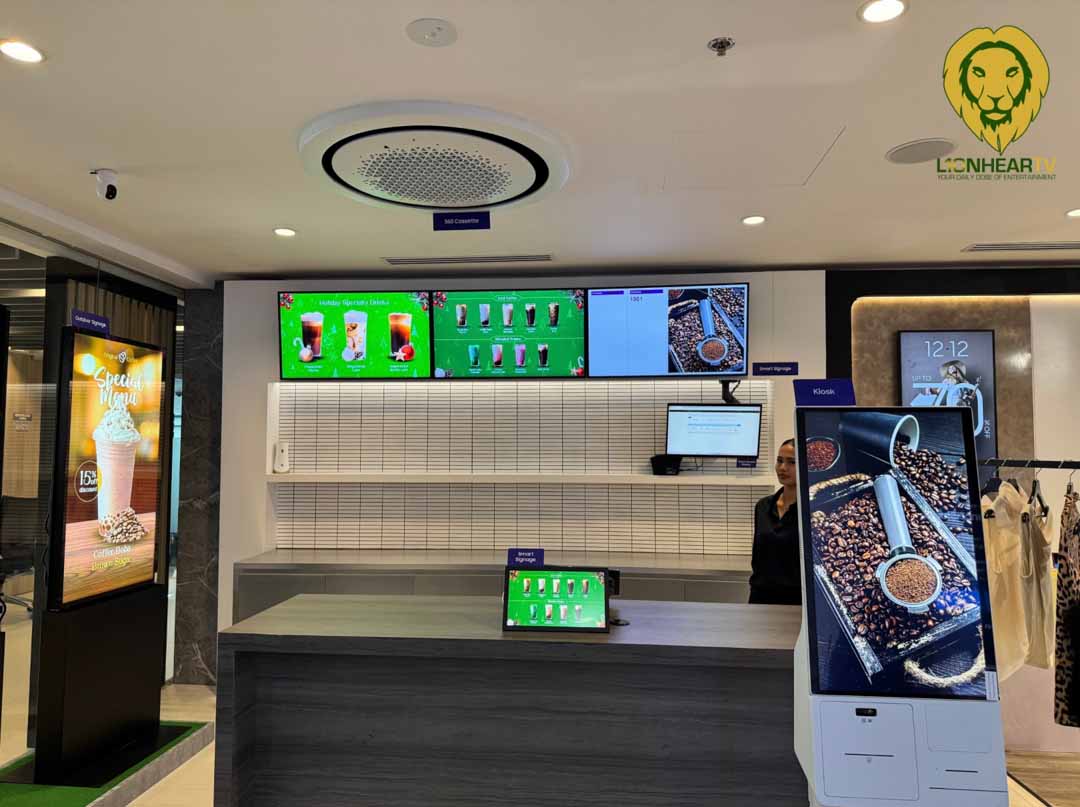
The retail and QSR zone showcased the biggest shift for customer-facing businesses.
Samsung Kiosks simplified ordering and payment, reducing wait times and minimizing errors even during peak hours. Meanwhile, Samsung’s intelligent digital signage systems—powered by the web-based VXT CMS—enable stores to update menus, promotions, and visual content instantly across branches, without needing a graphic designer.
This means that the next time a customer walks past a café or restaurant, the signage that catches their eye might have been updated just moments before.

The education zone resembled an open studio more than a traditional classroom.
Samsung Tablets and Galaxy devices running Samsung DeX, combined with Flip Pro digital boards and Samsung TVs, created a flexible learning environment where students and teachers can annotate, mirror screens, collaborate, and move fluidly.
The setup prioritizes interaction and creativity—showing a future where learning isn’t defined by desks and blackboards, but by how people use technology together.
Samsung also highlighted how industries with demanding environments can benefit from its rugged devices, the Galaxy XCover7 and Galaxy Tab Active5, built to withstand drops, vibration, and extreme conditions while maintaining reliable connectivity.
For organizations that require strict security, Samsung Knox provides a comprehensive device management system. IT teams can remotely lock or wipe compromised units, send urgent broadcast messages, track devices securely, and monitor fleet performance in real time.
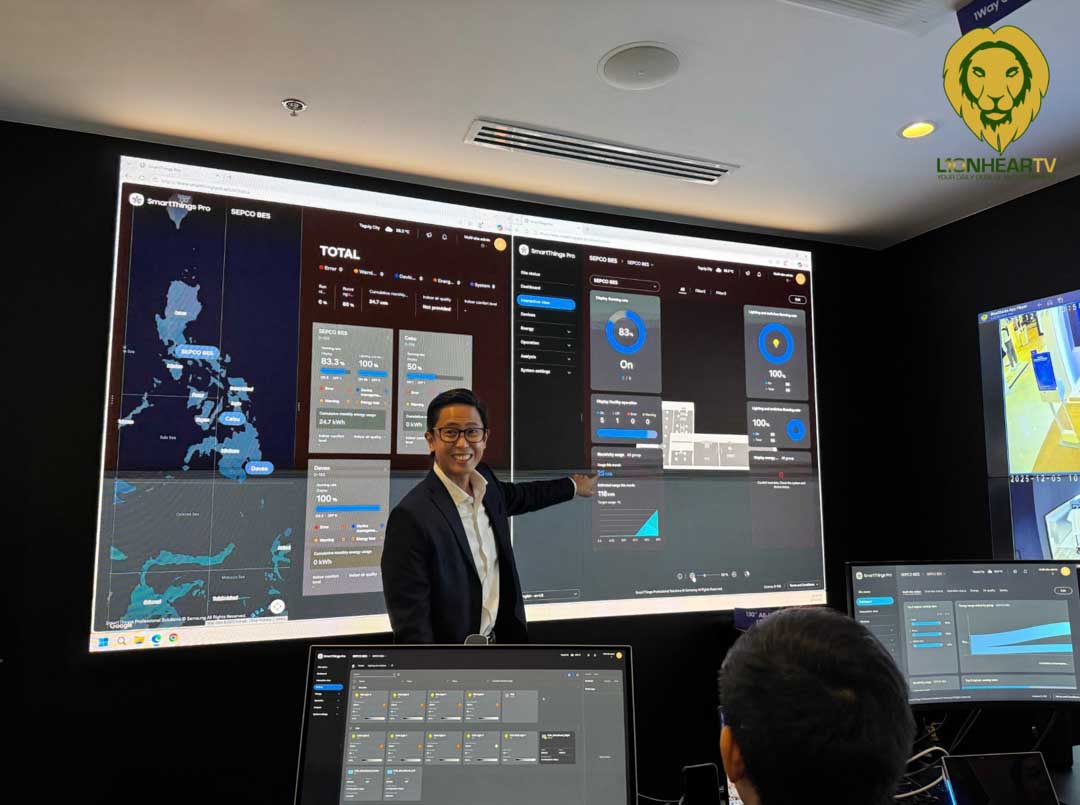
Combined with SmartThings Pro, companies gain an ecosystem capable of automating, monitoring, and securing entire operations without slowing down workflow.
The facilities management zone demonstrated how centralized dashboards can help administrators manage lighting, air conditioning, access, and assets across large buildings—creating connected, energy-efficient environments with minimal manual intervention.
Beyond the business studio, Samsung unveiled its SmartThings Home Showroom, offering visitors the chance to experience what a fully connected Samsung-powered home feels like.
Smart refrigerators with built-in cameras, robot vacuums, smart ovens, connected washing machines, air conditioners, TVs, speakers, and Galaxy devices all work together through the SmartThings app, creating a home environment that adapts, learns, and responds.
One standout feature was The Frame, Samsung’s matte QLED TV that doubles as wall art when idle—an illusion so convincing that many guests initially mistook it for a painting.
Samsung shared that many of its business solutions are already deployed in the Philippines through private and public sector partnerships. One notable collaboration is with the DSWD, which uses Samsung’s rugged devices for nationwide 4Ps monitoring.
Some of the SmartThings appliances showcased are not yet available through standard retail channels locally but can be ordered through special arrangements.
As visitors moved from one zone to another, a clear narrative emerged: the future of daily life will be shaped not by flashy sci-fi visions, but by intelligent systems working quietly in the background.
- Hotel rooms preparing themselves before guests arrive.
- Cafes reducing wait times through intuitive kiosks.
- Classrooms that adapt to how students learn.
- Workplaces that remain connected even amid harsh conditions.
- Homes that understand comfort, safety, and routine.
Samsung’s Business Experience Studio and SmartThings Home Showroom present that future not as a distant concept, but as technology already available for businesses and consumers today.
Clients and organizations may book visits to the studios to explore Samsung’s integrated ecosystems firsthand. (with reports from Aldrine Benitez)