

The press preview of “Ang Kaliitan ng Kasalukuyan” opened on March 11, 2026, at the IBG-KAL Theater in the University of the Philippines Diliman, presenting a new stage production by Dulaang Unibersidad ng Pilipinas for its 48th theater season. Written and directed by artistic director Arlo Deguzman and led by theater actor Sandino Martin, the production brings to the stage a deeply reflective portrayal of overseas Filipino workers and the emotional cost of migration.
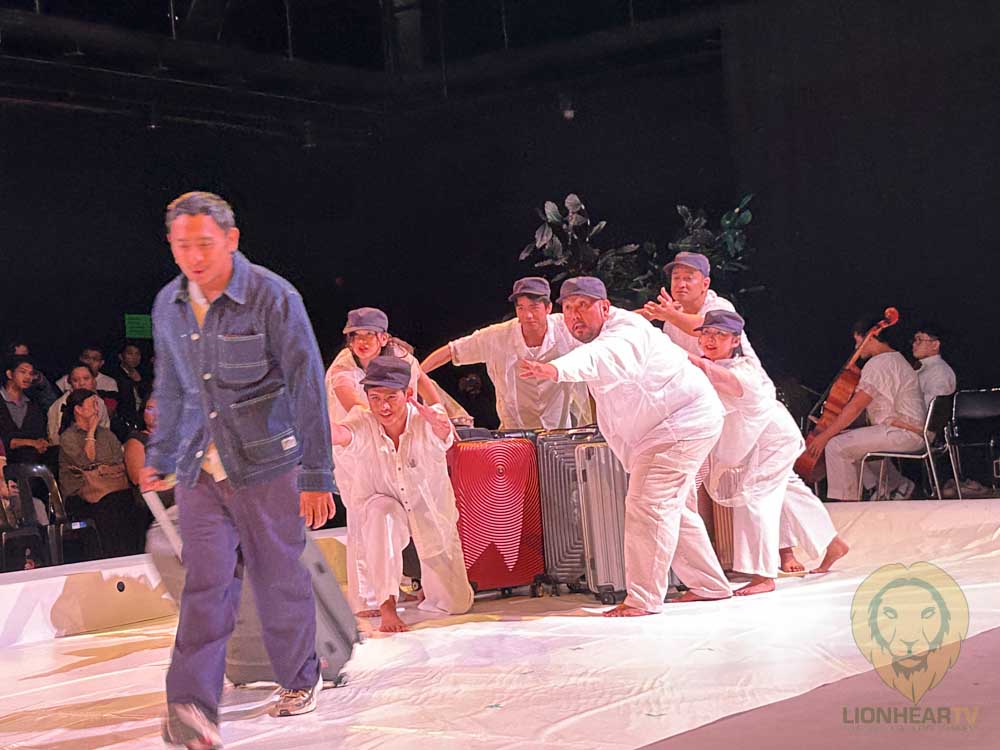
Inside the IBG-KAL Theater, the stage greeted audiences with a restrained yet evocative design. Dim lighting cast gentle shadows across the performance space, suggesting distance, memory, and the quiet spaces where longing often lives. The minimal set left wide areas of the stage open, allowing movement and emotion to take prominence over spectacle. Even before the first scene began, the environment already hinted at the emotional terrain that the play intended to explore.
“Ang Kaliitan ng Kasalukuyan” draws thematic inspiration from Hanggang Mamatay by Filipino folk musician Noel Cabangon, translating the spirit of the song into a theatrical meditation on absence, sacrifice, and memory. At the center of the narrative is Bulan, a Filipino worker who has spent nearly twenty years employed in the Middle East. A rare visit to the Philippines triggers a cascade of emotions—nostalgia, guilt, grief, and longing—that linger long after the return overseas.
Rather than telling a straightforward migration story, the play unfolds through fragments of reflection. Memories surface through conversations, movement sequences, and moments of silence that carry as much meaning as spoken lines. The storytelling approach mirrors the mental landscape of a migrant worker caught between two worlds—one rooted in family and homeland, and the other shaped by survival in foreign places.

Through Bulan’s journey, the production reveals the emotional networks surrounding migrant labor. The stage becomes a shared space for multiple voices: family members left behind, relatives waiting for remittances, and loved ones who struggle to make sense of distance. Each perspective contributes to a wider portrait of how migration reshapes relationships.

Scenes introduce a father burdened by the expectation of continuous financial support, a mother wrestling with the justification of sacrifice, a sibling clinging to hope for reunion, and a child silently questioning absence. These interconnected narratives form a layered portrayal of Filipino families whose lives revolve around the departures and returns of overseas workers.
Sandino Martin’s portrayal of Bulan anchors the production with a quiet yet powerful presence. Subtle gestures and restrained expressions convey the internal conflict of a man who has spent years navigating duty and desire. The performance captures exhaustion, longing, and vulnerability without relying on dramatic excess. Instead, emotional weight builds through small movements—an extended pause, a hesitant glance, a moment of stillness that reveals the depth of unspoken thoughts.

The creative direction of Arlo Deguzman shapes the play into an immersive reflection on diaspora. Deguzman’s own experience working overseas for nearly two decades across more than fifty countries informs the authenticity of the narrative. Rather than focusing on economic success stories often associated with overseas employment, the production emphasizes the human cost behind those narratives.
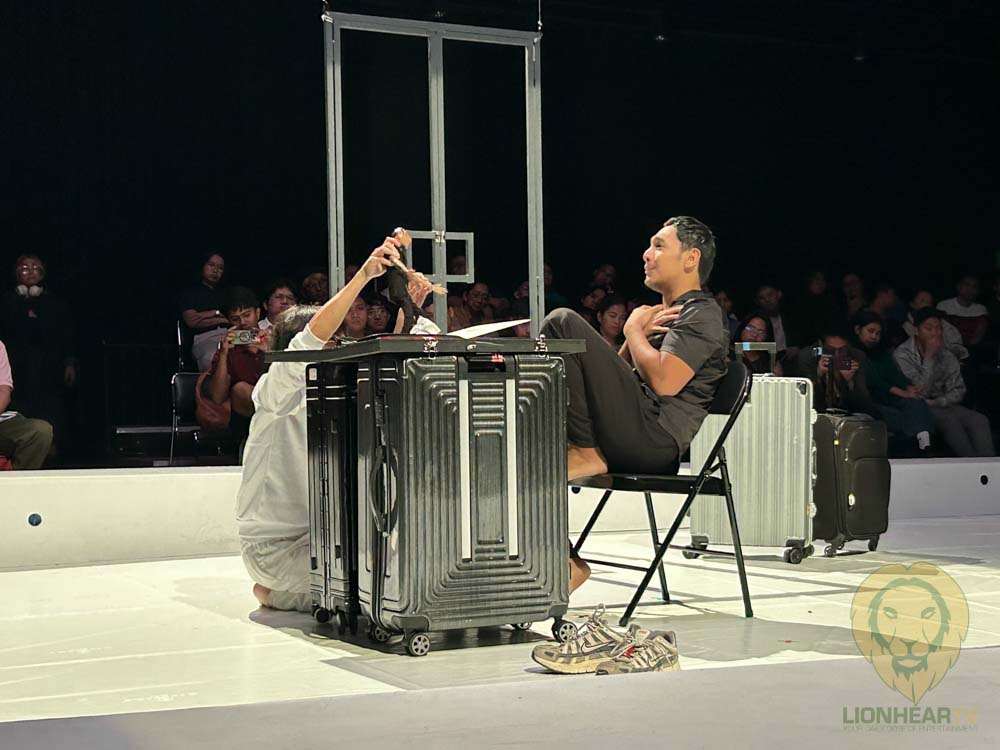
This perspective transforms the stage into a contemplative space where audiences are invited to question familiar ideas about migration. Overseas Filipino workers are frequently celebrated as “modern-day heroes,” yet the play shifts attention to the emotional sacrifices that accompany that label. The distance between parents and children, the loneliness of unfamiliar environments, and the quiet weight of obligation become central themes throughout the performance.

Movement and choreography play an important role in communicating these emotions. Characters drift across the stage in sequences that resemble tides or waves, suggesting the constant push and pull between homeland and foreign land. Lighting transitions reinforce this imagery, shifting between warm tones that evoke home and cooler hues that suggest isolation abroad.

As the narrative progresses, Bulan’s reflections deepen into a psychological struggle shaped by years of accumulated longing. Memories blur with present realities, and imagined conversations echo through the stage space. The ocean emerges as a powerful metaphor within the story—a symbol of distance, migration, and surrender to forces larger than oneself.

The production also benefits from the collective energy of the ensemble cast and creative team. Several members share personal connections to migrant experiences, whether through family histories or direct work abroad. These lived experiences bring an additional layer of authenticity to the performances, grounding the play’s emotional themes in real-life realities.

“Ang Kaliitan ng Kasalukuyan” serves as the concluding production of Dulaang UP’s 48th theatre season, continuing the company’s tradition of staging socially engaged works that confront contemporary Philippine issues. Migration, identity, labor, and belonging remain central questions not only for individuals but also for the nation as a whole.
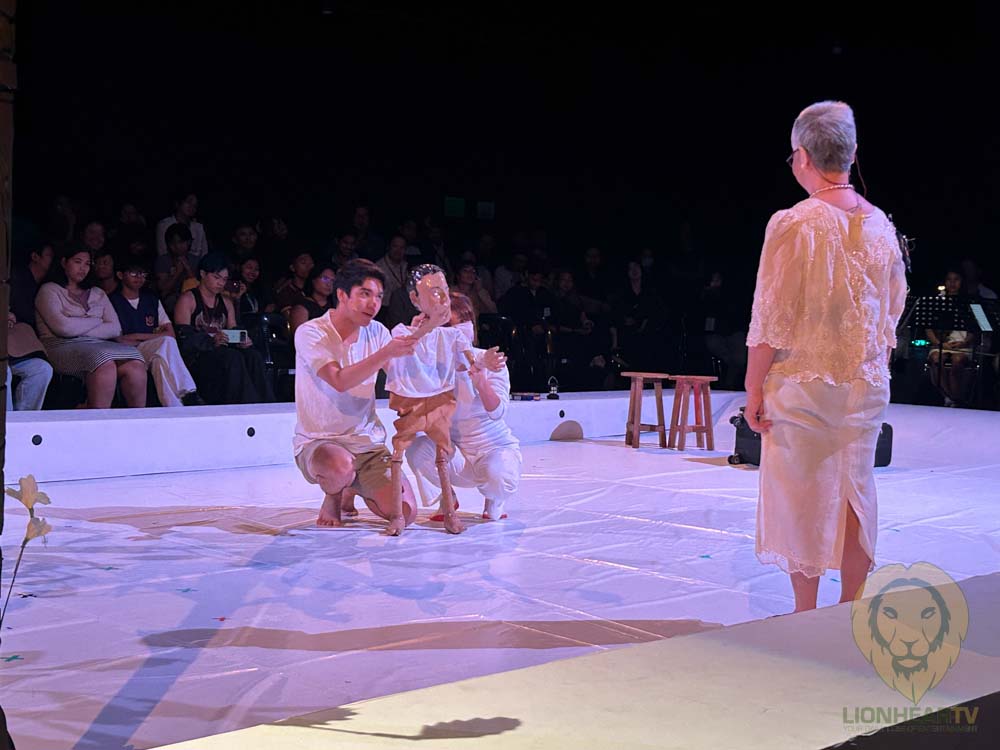
Within the intimate setting of the IBG-KAL Theater, the play invites audiences to slow down and listen to stories often overshadowed by economic statistics and celebratory narratives about overseas work. Theater becomes a shared space where difficult questions about home, sacrifice, and dignity can be confronted collectively.

Following the press preview, performances continue from March 12 to March 29, 2026, with evening shows on Thursdays and Fridays at 7:30 p.m. and additional performances on Saturdays and Sundays at 2:30 p.m. and 7:30 p.m. The production is rated R-16 and emphasizes theater etiquette to preserve the immersive experience for audiences and performers alike.
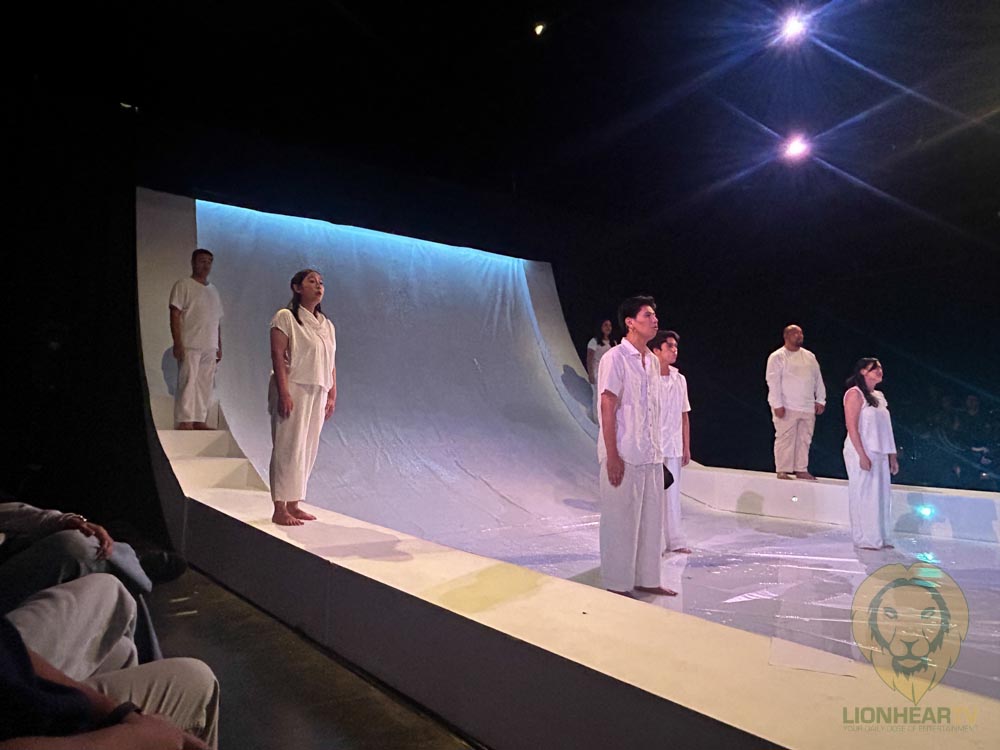
Through its quiet storytelling and emotionally layered performances, “Ang Kaliitan ng Kasalukuyan” transforms the stage into a mirror reflecting the unseen realities of millions of Filipino families shaped by migration. In doing so, the production reminds audiences that behind every remittance and departure lies a deeply human story of longing, resilience, and the enduring search for home. (with reports from Tristan Paris)