
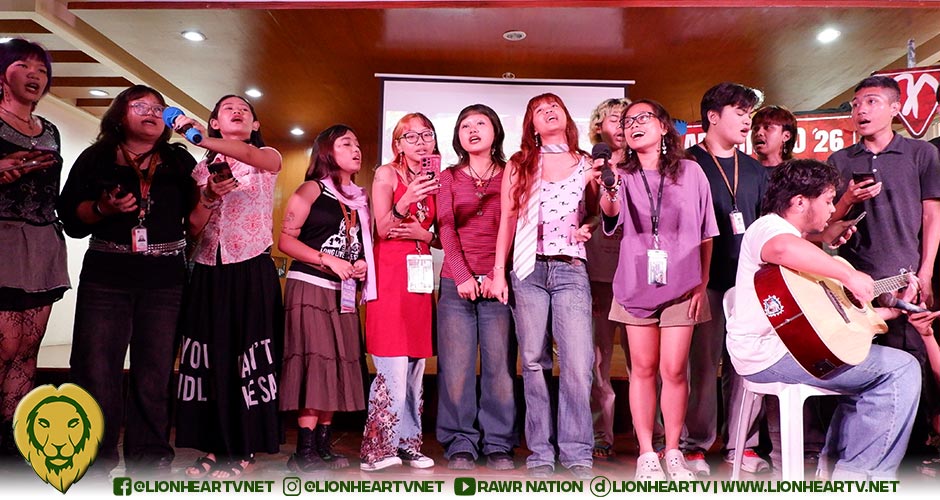

On February 24, 2026, inside the College of Communication (COC) Audio-Visual Room and key campus spaces of the Polytechnic University of the Philippines, the PUP College of Communication Student Council hosted the second day of ARTibismo 2026, a student-led cultural and political arts initiative that gathered communication students, campus artists, youth advocates, and educators to explore the power of art as a platform for civic awareness, social critique, and collective action.
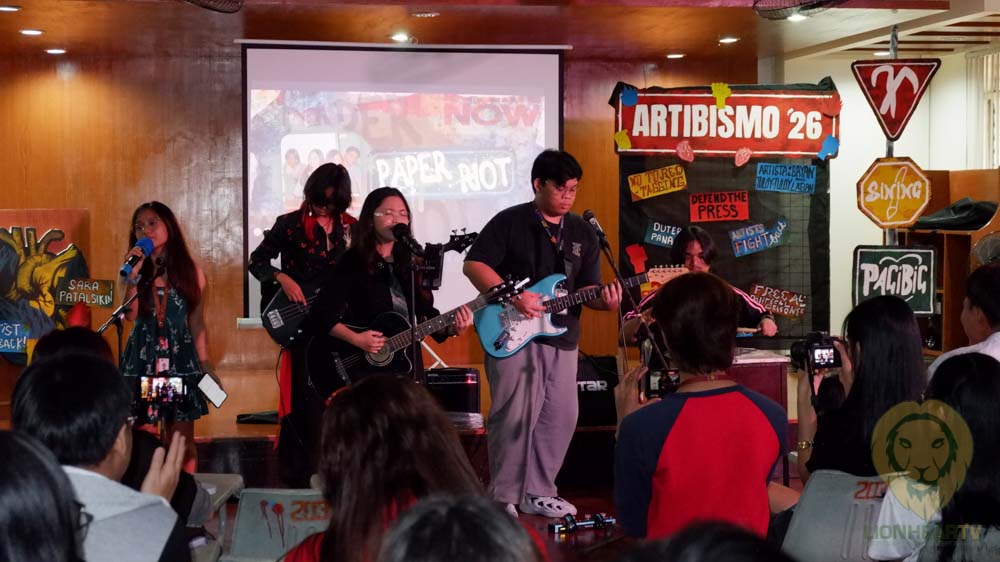
Organized as part of the celebration of National Arts Month, ARTibismo 2026 carried the theme “Sining na Mapagpalaya: Mula Pamantasan Hanggang Lansangan,” highlighting the transformative role of art in awakening public consciousness, organizing communities, and mobilizing citizens toward meaningful participation in national issues. The event turned classrooms, halls, and open university spaces into vibrant venues for discussion, creative expression, and political reflection.
The second day of ARTibismo began with a series of educational discussions (ED) held at the COC Audio-Visual Room. The sessions brought students together to examine influential writings that connect art, culture, and political struggle.

Among the topics discussed were “Talks at the Yan’an Forum,” “Social Basis of the Fascist State,” and “On the Pen and On the Gun.” These discussions explored how artists, writers, and communicators carry the responsibility of reflecting the realities of society while challenging systems of injustice.

Participants engaged in open conversations about the role of media practitioners in defending truth, protecting press freedom, and amplifying the voices of marginalized communities. The discussions reinforced a shared belief within the College of Communication that creative work must remain rooted in the lived experiences of the people.
Beyond academic discussions, ARTibismo extended its reach across campus through art exhibits, poetry readings, film viewings, and visual storytelling installations. Spaces traditionally associated with academic life were transformed into dynamic cultural platforms where ideas could be freely expressed.

Visual artworks lined corridors and display areas, each piece reflecting different aspects of Filipino life—from systemic inequality and social injustice to themes of resilience, solidarity, and hope. Photography displays captured moments of everyday struggle and perseverance, while written pieces reflected emotional narratives of love, nationalism, and resistance.

Students moved from one exhibit to another, exchanging insights and interpretations, turning the event into a collective learning experience that bridged creativity and critical thinking.
A major highlight of ARTibismo 2026 was the series of art competitions designed to challenge students to translate social realities into compelling visual and literary works.
The competitions were organized into four main categories, each carrying a theme that encouraged critical engagement with societal issues.
“Bulok na Sistema, Amoy Basura!” – Traditional Art Category
Paintings and mixed-media works exposed long-standing systemic problems such as corruption, inequality, and institutional neglect. The artworks used symbolism and bold imagery to reflect frustrations and hopes for reform.
“Bawal Umihi Dito!” – Digital and Multimedia Art Category
Digital illustrations and graphic works portrayed modern Filipino realities. The pieces explored urban struggles, digital activism, and youth perspectives on governance and social change.
“Bawal Noisy! Ekis Puro Ebas!” – Photojournalism Category
Photography entries documented powerful scenes from everyday life, capturing narratives often left unseen. The category highlighted the importance of visual storytelling in revealing truths and challenging misinformation.
“Pag-Ibig ay Pakikibaka” – Poetry and Creative Writing Category
Poetry and prose works framed love as a deeper commitment to democracy, freedom, and national dignity. The literary pieces resonated with emotional honesty while calling for unity and collective action.
Following the exhibition and judging process, winners from each category were announced during a recognition program attended by students, faculty members, and event organizers.

Award Winners and Prizes Included:
- Champion, Traditional Art Category – Trophy, certificate of recognition, and ₱5,000 cash prize
- Champion, Digital and Multimedia Art Category – Trophy, certificate, and ₱5,000 cash prize
- Best Photojournalism Entry – Trophy, certificate, and ₱4,000 cash prize
- Winner, Poetry and Creative Writing Category – Trophy, certificate, and ₱4,000 cash prize

Special citations were also awarded to entries receiving the People’s Choice Award, with winners receiving art materials, media-related books, and opportunities for publication in student media platforms.
The awarding segment concluded with a strong sense of celebration as students acknowledged the courage and creativity reflected in each piece.
ARTibismo stands as more than a single event—it represents a continuing cultural movement within the university that merges artistic expression with social consciousness. Organized by the College of Communication Student Council, the initiative reflects a commitment to nurturing future communicators who recognize the social responsibility attached to their craft.

Weeks of preparation, collaboration, and volunteer work went into the creation of ARTibismo 2026. Student leaders coordinated exhibits, curated performances, and facilitated discussions to ensure that the program remained grounded in the principles of activism, critical awareness, and community engagement.
The theme explored throughout ARTibismo also echoed the personal experiences of many students pursuing higher education amid economic challenges and political uncertainty. Stories of perseverance, resilience, and hope appeared across artworks and discussions, illustrating how personal struggles often mirror broader national realities.

By providing a platform where creativity intersects with advocacy, ARTibismo strengthened a shared identity among students—one rooted in courage, empathy, and solidarity.
As ARTibismo 2026 continued across campus activities, the event reinforced a powerful message: art is not merely decorative or entertainment-driven. Instead, it holds the potential to question power, reveal injustice, and inspire collective change.
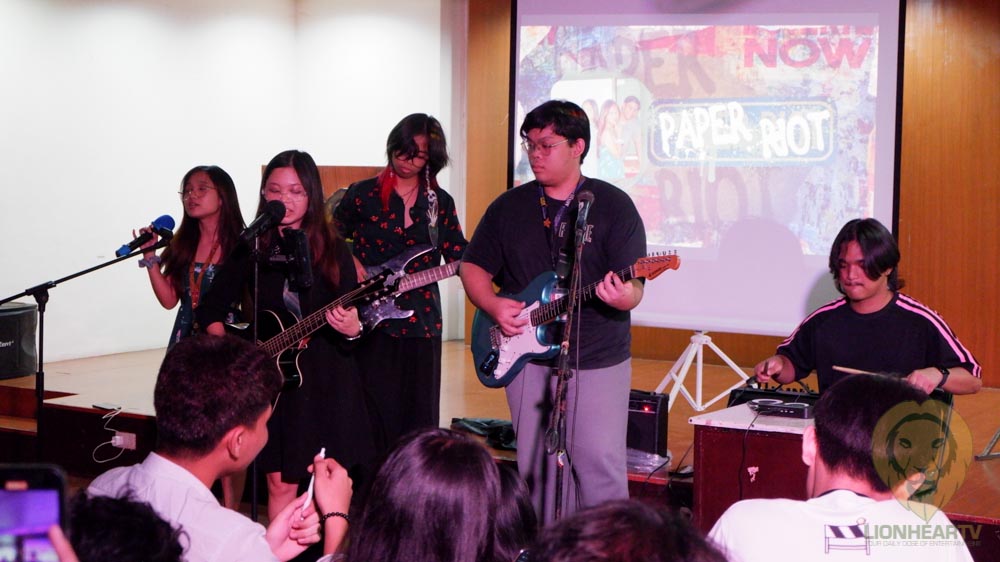
Through paintings, photographs, poetry, and conversations, the students of the Polytechnic University of the Philippines demonstrated how creativity can transform awareness into action.
The spirit of “Sining na Mapagpalaya” ultimately carried beyond the university walls, reminding participants that student voices, when united through art and purpose, can contribute to a broader movement for a more just and inclusive society. (with reports from Denisse Erikka Cruz)
