


All About Her, directed by Joel Lamangan and starring Kelley Day and Yuki Sonoda, premiered on March 23, 2026, at Gateway Cinema 17 as part of the Sinag Maynila Independent Film Festival, gathering film enthusiasts, media, and supporters for an intimate yet thought-provoking screening of a crime drama set within the beauty pageant world.
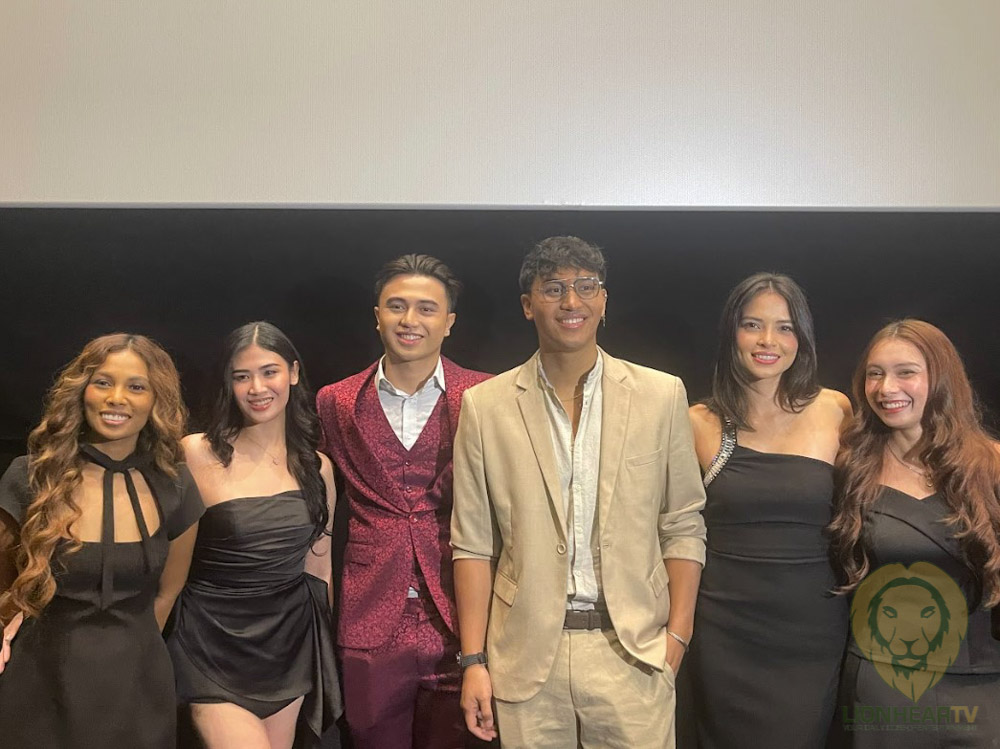
The atmosphere inside the cinema leaned more contemplative than celebratory, setting the tone for a film that chooses emotional depth over spectacle. From the opening frame, the narrative begins to unfold with quiet restraint, avoiding grand introductions and instead allowing tension to build gradually. Scenes move with purpose, bringing attention to small gestures, pauses, and conversations that feel very real.
At its heart, All About Her is about the complicated relationship between Olivia and Isabella, two women who are trying to be friends, achieve their goals, and confront the stress of pageantry. When Isabella, newly crowned and at the peak of success, suddenly disappears and is later found dead, the story shifts into an investigation filled with contradictions. The spotlight turns to Olivia, not just as a witness but as someone whose proximity to the truth raises more questions than answers.
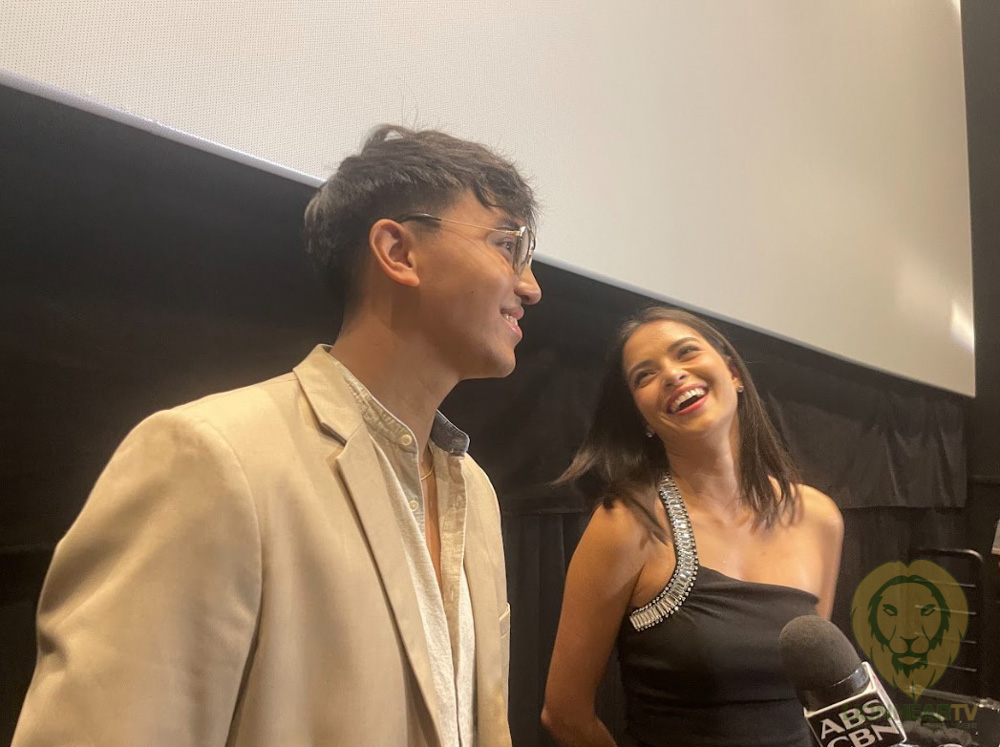
The storytelling stands out for its grounded approach. Rather than relying on exaggerated twists, the film leans into psychological tension. Dialogue becomes the primary vehicle for suspense, with each exchange revealing fragments of truth while simultaneously deepening the mystery. Non-linear flashbacks are woven into the narrative, offering glimpses of past events that reshape present understanding. The pacing remains deliberate, yet engaging enough to maintain curiosity throughout.
Performance becomes the film’s strongest asset. Kelley Day delivers a layered portrayal of Olivia, balancing composure with emotional ambiguity. The character often appears controlled on the surface, yet subtle shifts in tone and expression suggest something far more complex beneath. A standout moment unfolds during a press conference sequence, where carefully measured responses hint at conflicting emotions—grief, resentment, and perhaps something more concealed.

Yuki Sonoda brings a contrasting energy to Isabella, portraying a character driven by confidence and desire. The performance captures both charm and intensity, making Isabella’s presence felt even in her absence. The dynamic between the two leads anchors the film, presenting a relationship that feels authentic enough to make its unraveling compelling.
Supporting performances contribute to the film’s layered environment, though with varying effectiveness. Jim Pebanco provides moments of levity as a pageant trainer, offering a brief but welcome contrast to the film’s heavier tone. Other characters serve their purpose in advancing the investigation, though some portrayals lack the same emotional depth, occasionally disrupting immersion.

Visually, the film attempts to mirror its thematic contrasts—the polished world of pageantry against its darker realities. Certain sequences succeed in capturing this duality, but inconsistencies in color grading and transitions create moments of distraction. Despite these technical shortcomings, the narrative remains compelling enough to carry the overall experience.
What resonates most is the film’s exploration of the pageant industry beyond its surface appeal. The story strips away the glamour, revealing a space shaped by pressure, rivalry, and unspoken expectations. It reframes beauty as both a privilege and a burden, where ambition can blur the line between loyalty and self-interest. This perspective adds weight to the narrative, making it more than just a conventional mystery.

As the film progresses, it invites reflection rather than simply delivering answers. Themes of friendship, betrayal, and the consequences of silence emerge naturally, encouraging deeper thought long after key scenes have passed. The unfolding mystery becomes less about identifying a culprit and more about understanding the motivations behind each character’s actions.

There are moments where dialogue feels overly explanatory, and certain scenes could benefit from more subtle execution. However, these instances do not significantly diminish the film’s impact. Instead, they highlight the challenges of balancing exposition with emotional storytelling in a dialogue-driven narrative.
By the time the story reaches its conclusion, the impact lingers. All About Her does not rely on shock value; it leaves a quieter, more introspective impression. The experience extends beyond the cinema, prompting reflection on relationships, choices, and the weight of what remains unsaid.

The premiere night ultimately reveals a film that embraces complexity—one that may not be flawless but succeeds in creating a narrative that feels personal, thought-provoking, and emotionally resonant. (with reports from Lau Balocos)
