
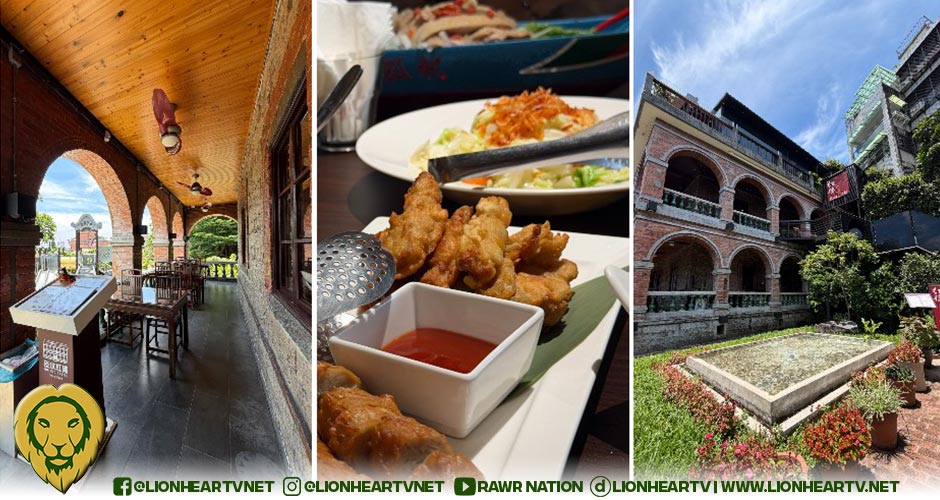

There are restaurants you visit for the food, and there are restaurants you remember because of the stories they tell.

Perched on a hillside overlooking the picturesque Tamsui River in New Taipei City, Red Castle 1899 belongs to the latter. It is more than a dining destination—it is a beautifully preserved piece of Taiwan’s history where architecture, culture, and cuisine come together to create an experience that lingers long after the meal is over.
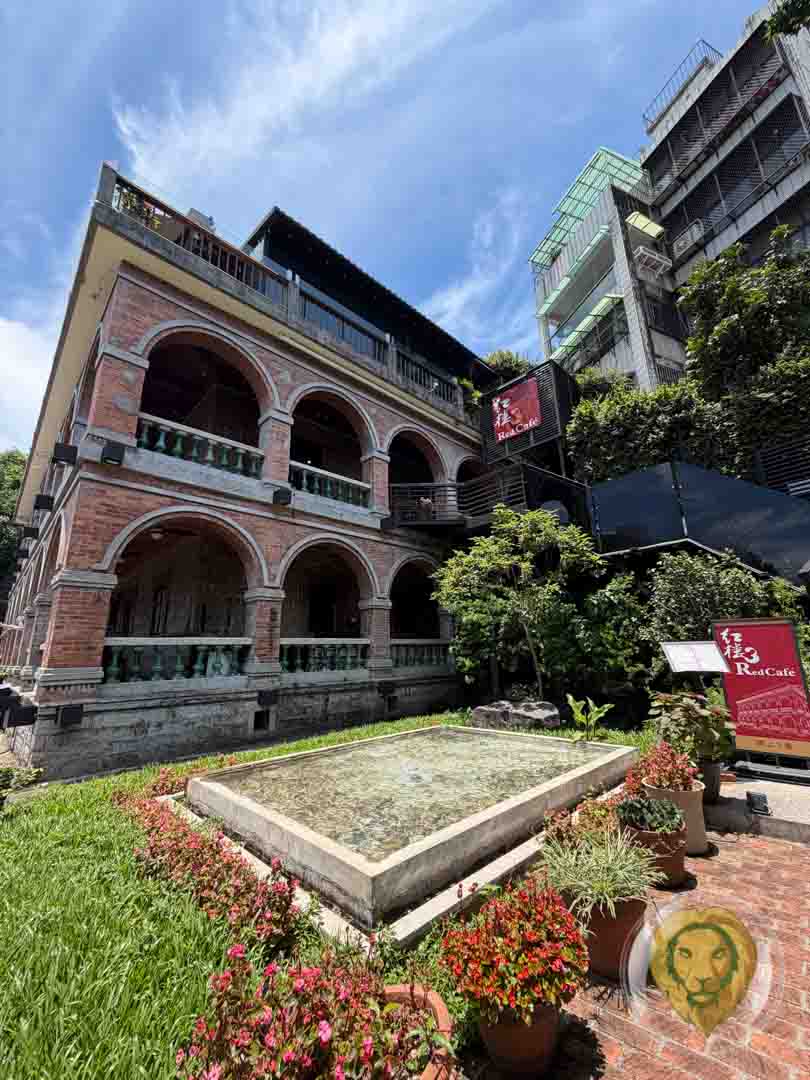
For travelers visiting Tamsui, the district is often associated with its riverside promenade, Old Street, colonial-era landmarks, and breathtaking sunsets. But tucked away from the bustling crowds is a historic red-brick mansion that offers visitors an opportunity to appreciate Taiwan’s past while savoring some of its most beloved traditional dishes.
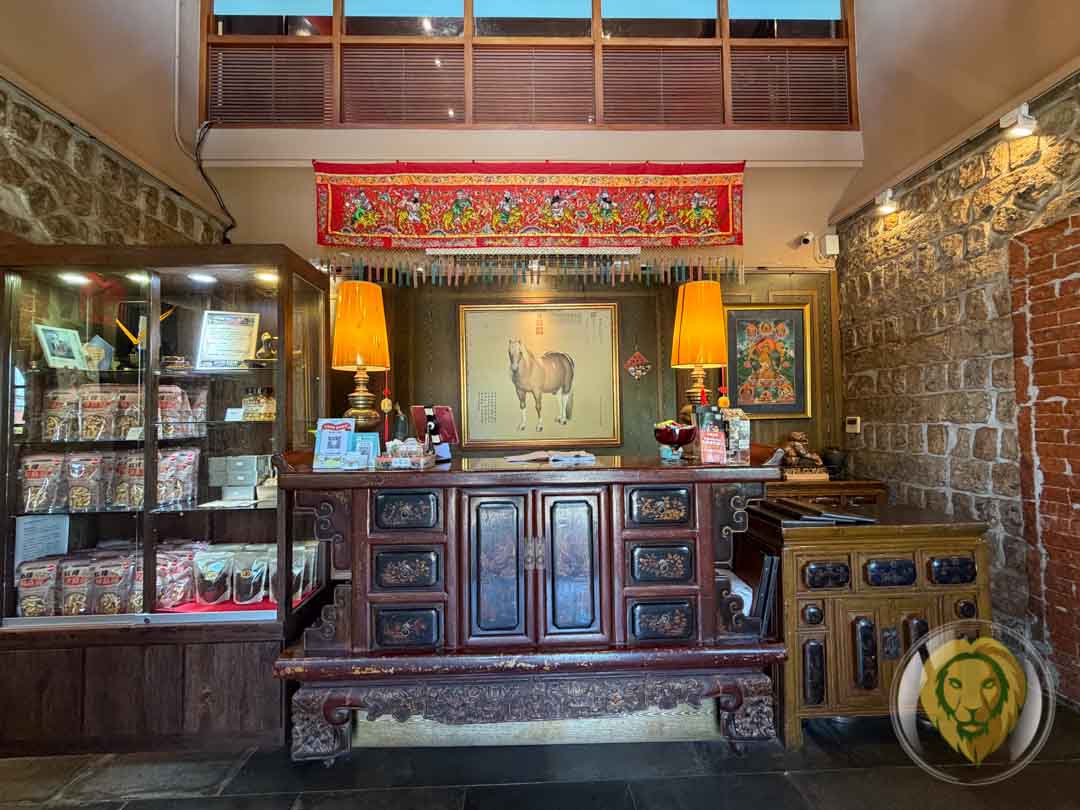

During our five-day Familiarization Trip organized by the Taiwan Tourism Administration, lunch at Red Castle 1899 became one of the most memorable highlights of our culinary journey—not only because of the food that filled our table, but because every corner of the restaurant reminded us that history can be experienced in more ways than one.
Long before it became a restaurant, Red Castle was already part of Tamsui’s colorful history.
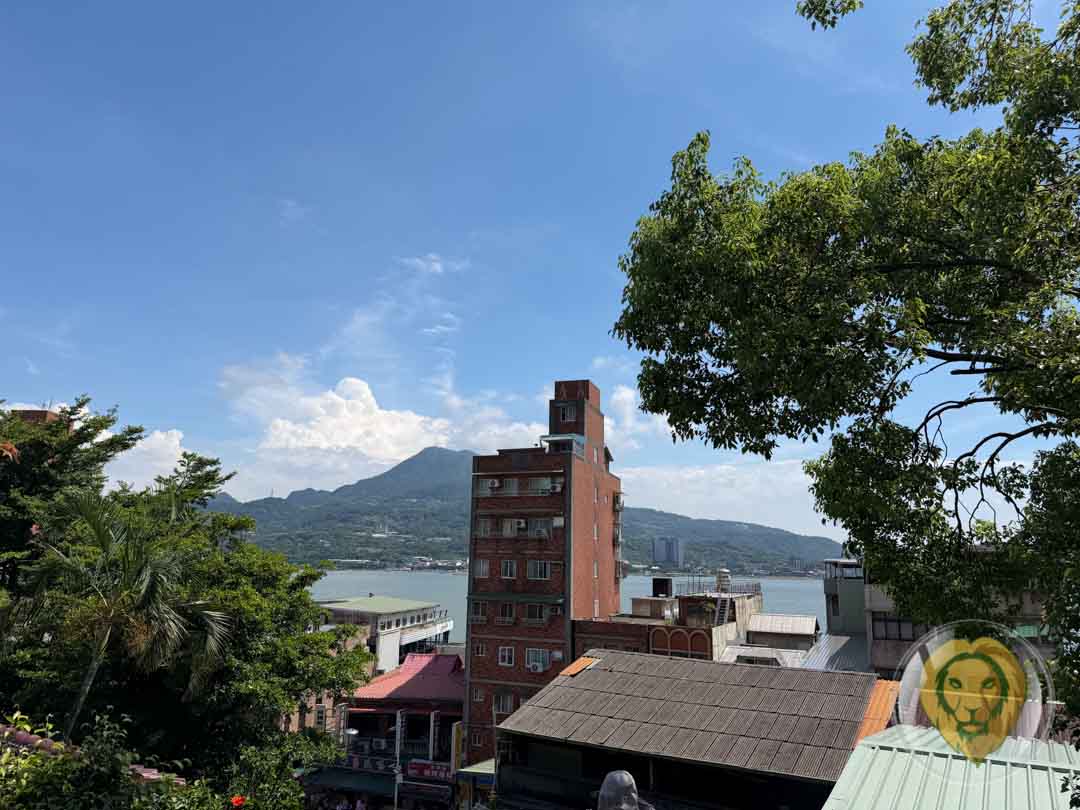
Constructed during the Japanese colonial period, the distinctive red-brick mansion stands as one of the district’s best-preserved heritage structures. Its elevated location provides sweeping views of the Tamsui River, where merchant ships once sailed through one of northern Taiwan’s busiest trading ports.
The building’s architecture reflects the cultural influences that shaped Taiwan during the late nineteenth and early twentieth centuries. Western-style brickwork, elegant archways, spacious verandas, and carefully preserved interiors offer visitors a glimpse into an era when Tamsui served as an important gateway for international trade, foreign missionaries, and diplomatic exchange.
Unlike many historic buildings that have been converted into museums, Red Castle continues serving a practical purpose.
Instead of simply admiring the architecture from behind velvet ropes or informational displays, guests experience the building as it was meant to be enjoyed—filled with conversation, laughter, and shared meals.
It is a perfect example of Taiwan’s commitment to adaptive reuse, preserving heritage while giving historic structures new life for future generations.
Before the first dish even arrived, Red Castle had already made an impression.
Large windows framed panoramic views of the river, while sunlight streamed into the dining hall, highlighting the warm tones of the building’s exposed brick walls and wooden interiors. Outside, the lush greenery surrounding the property created a peaceful atmosphere that felt worlds away from the lively streets of nearby Tamsui Old Street.
The setting encouraged diners to slow down.
There was no rush to finish lunch or move on to the next destination.
Instead, the restaurant invited guests to appreciate both the scenery and the history that surrounded them.
From its elevated vantage point, it was easy to imagine the bustling harbor that once connected Taiwan to traders and travelers from across Asia and beyond. Today, the river remains just as beautiful, offering visitors a quieter perspective on one of northern Taiwan’s most historically significant communities.

At Red Castle 1899, the food reflects the same philosophy as the building itself—respect tradition while allowing it to remain relevant.
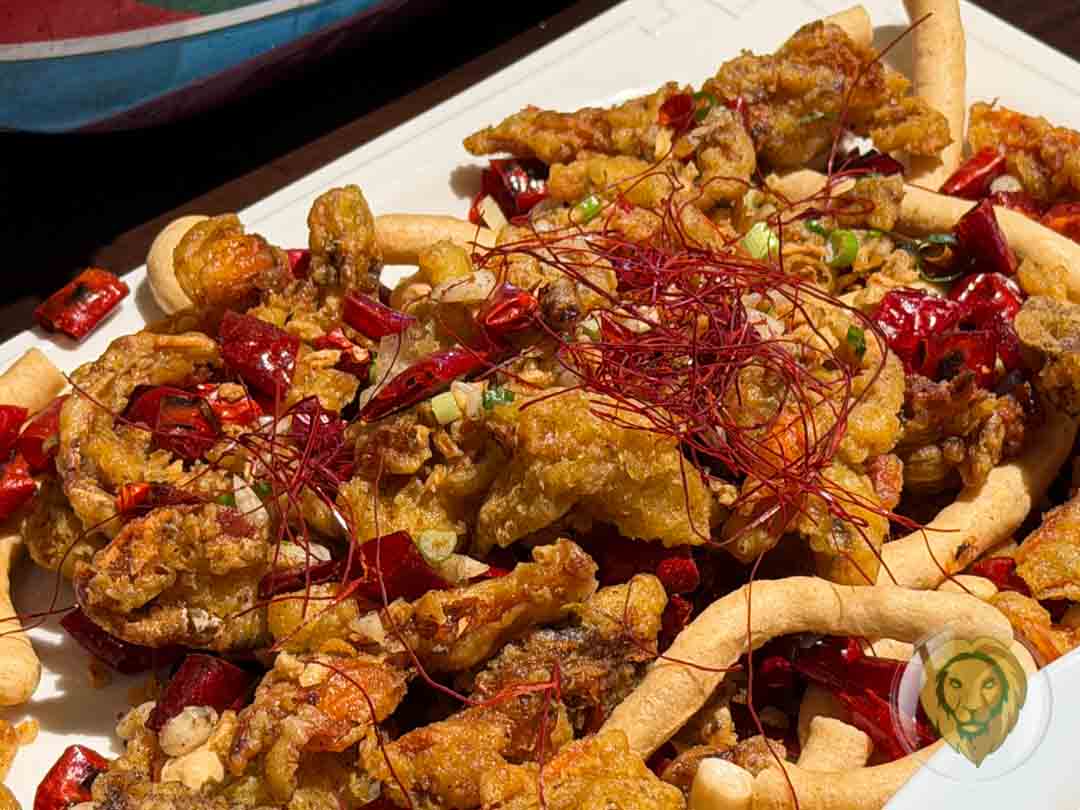
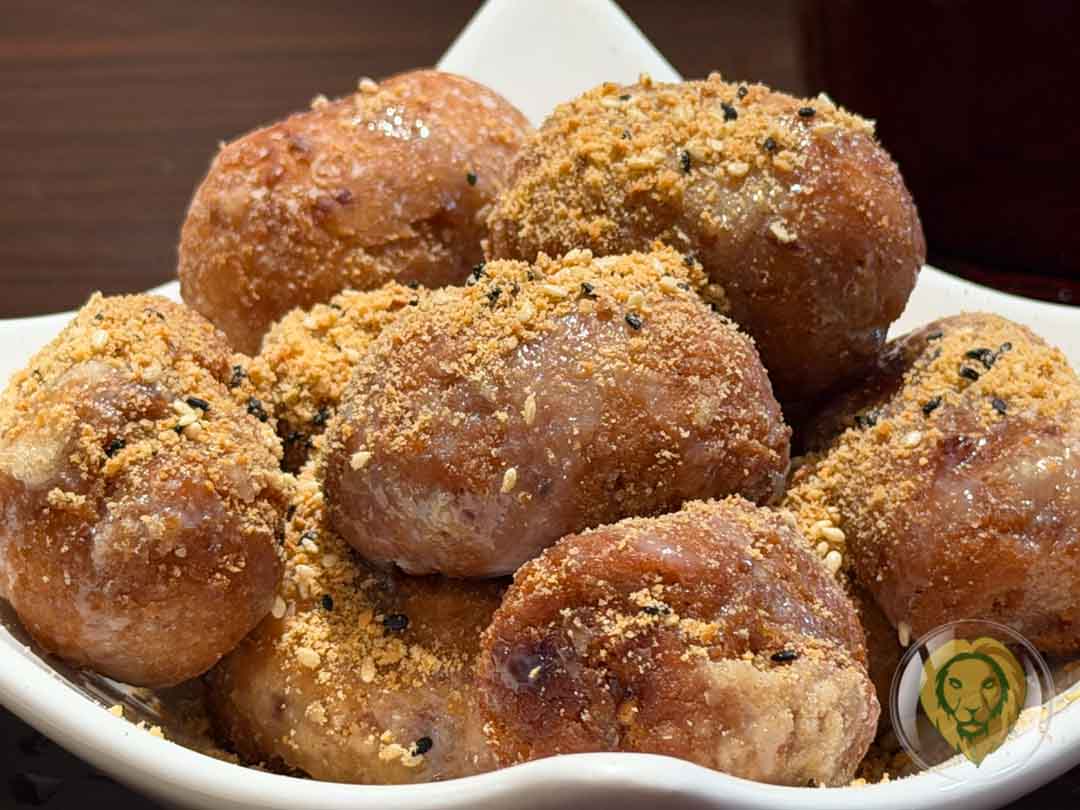
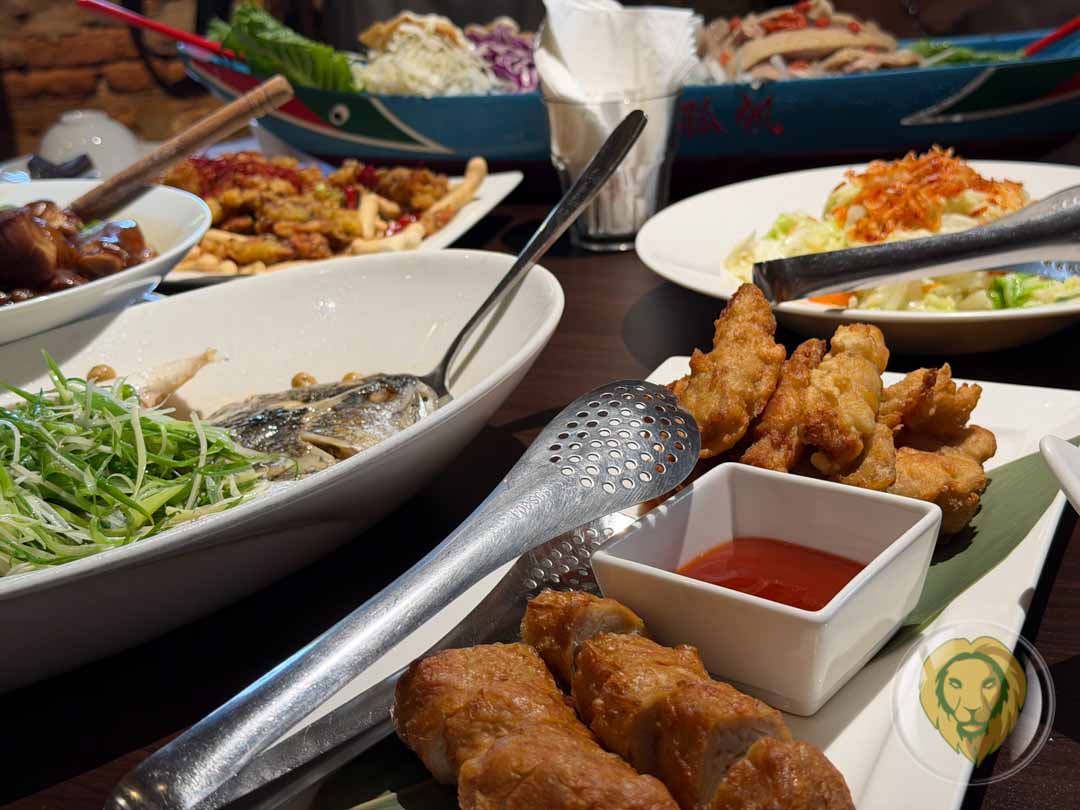
Lunch was served family-style, a hallmark of Taiwanese dining culture where meals are shared rather than ordered individually. One by one, dishes began filling the large round table, transforming lunch into a celebration of Taiwan’s rich culinary heritage.

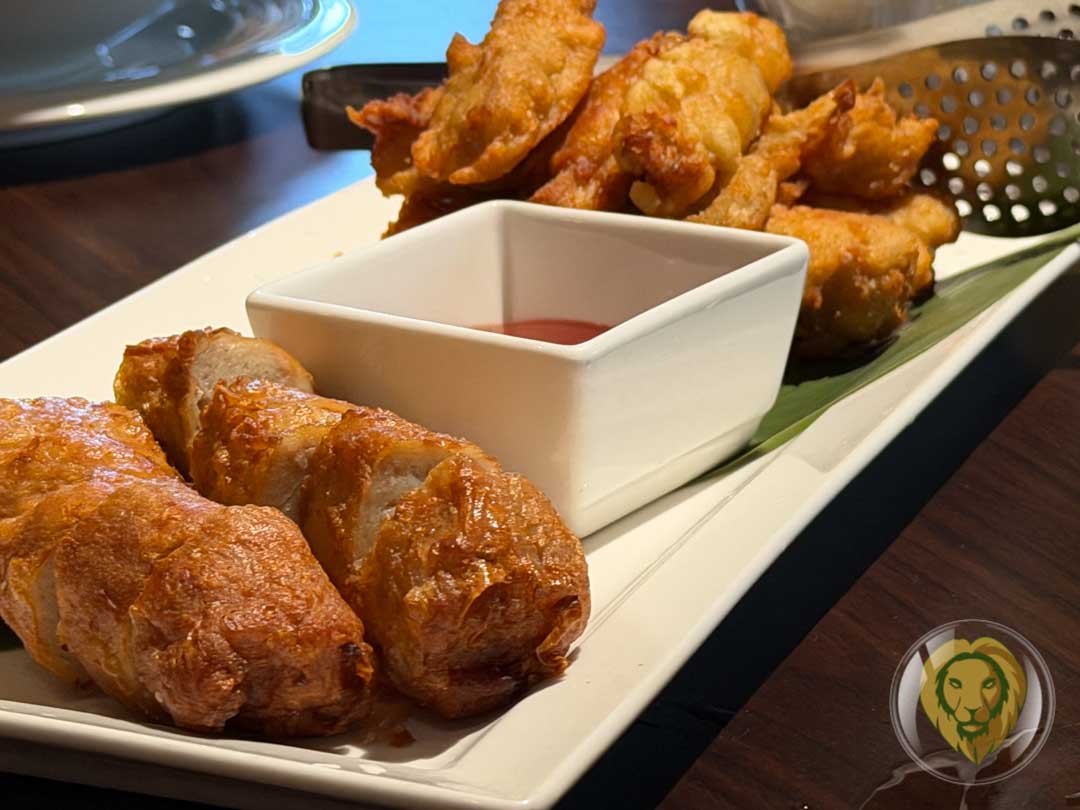
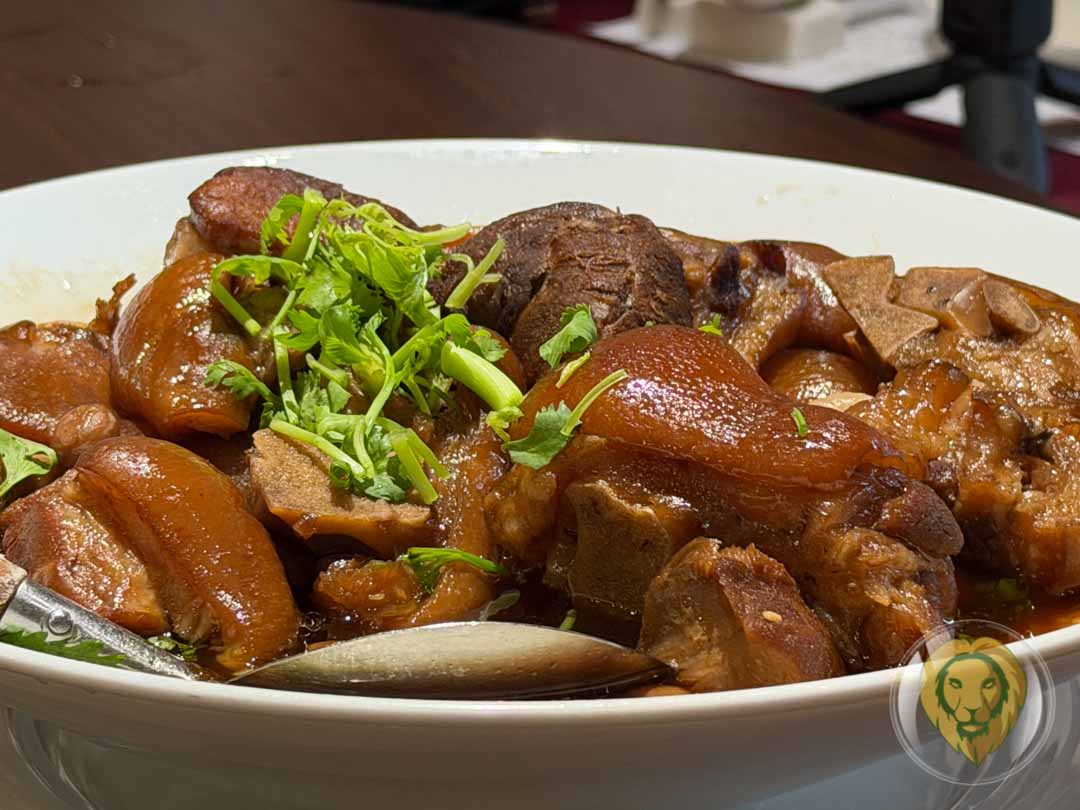
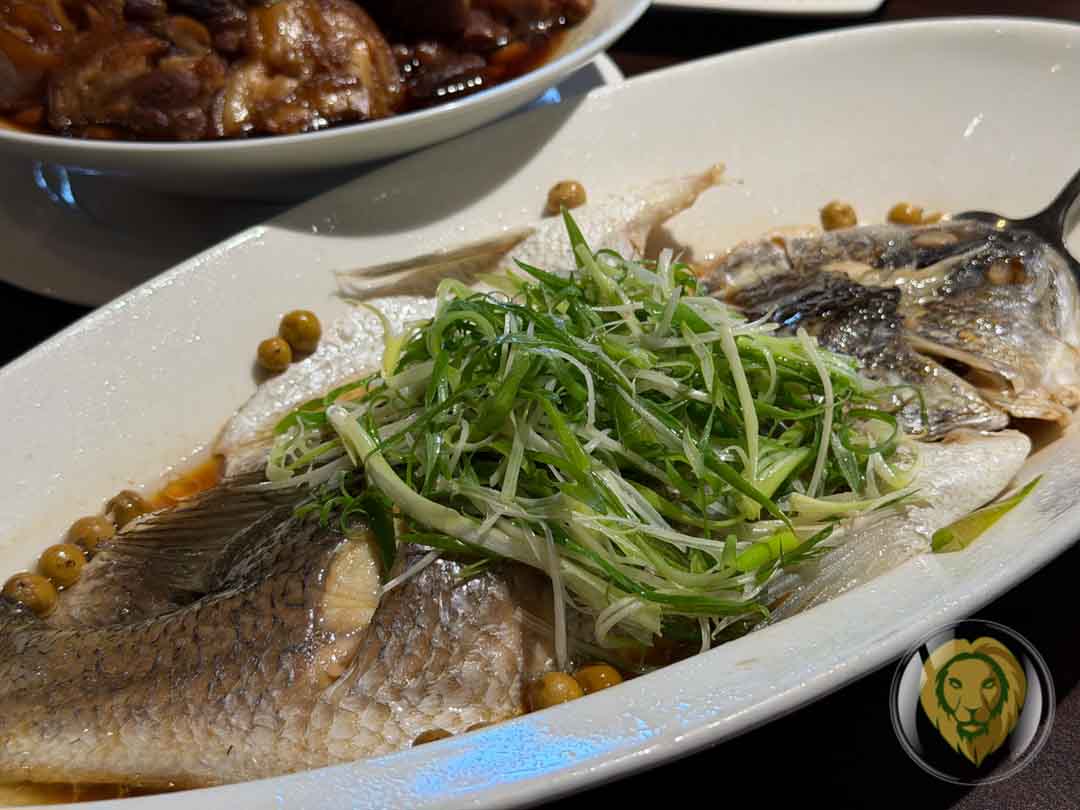
Among the highlights was a perfectly steamed whole fish, delicately seasoned to allow the freshness of the seafood to shine. Taiwan, being an island nation, has long celebrated seafood as one of the cornerstones of its cuisine, and Red Castle’s preparation demonstrated why simplicity often produces the most memorable flavors.
Braised pork belly offered another comforting favorite, its tender meat slowly cooked until rich and flavorful without becoming overwhelming. Fresh seasonal vegetables added balance to the meal, while nourishing soups and regional specialties completed a spread designed for sharing rather than individual indulgence.

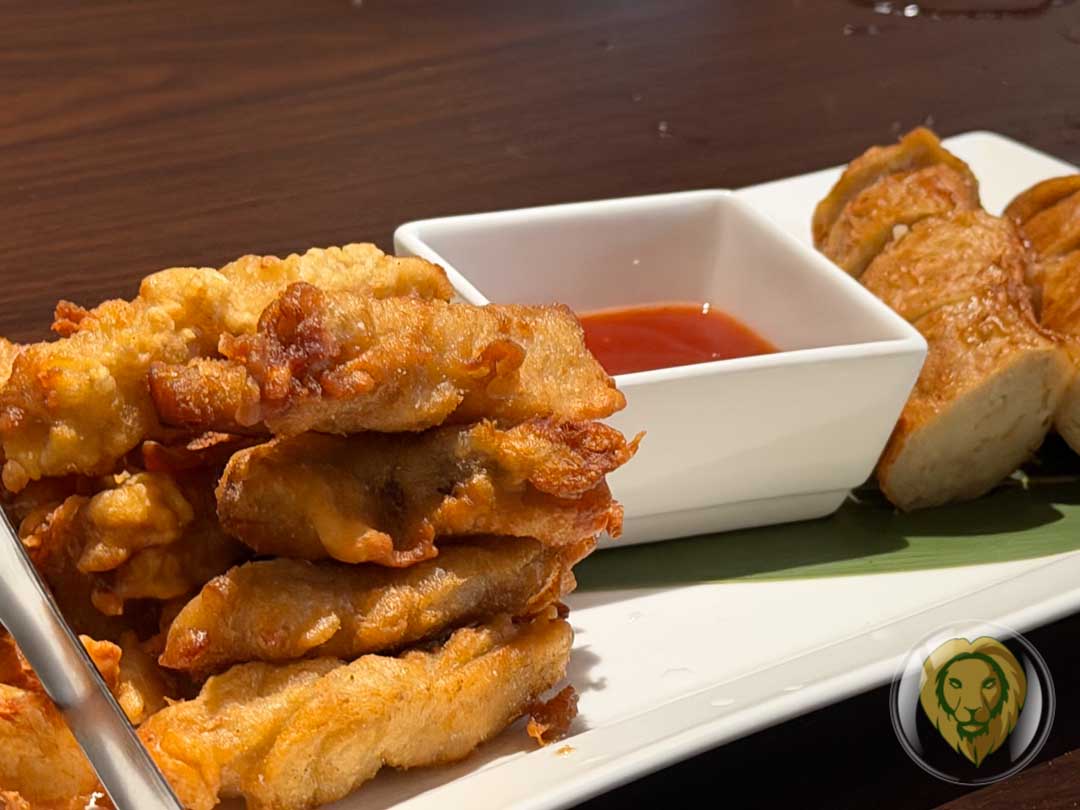
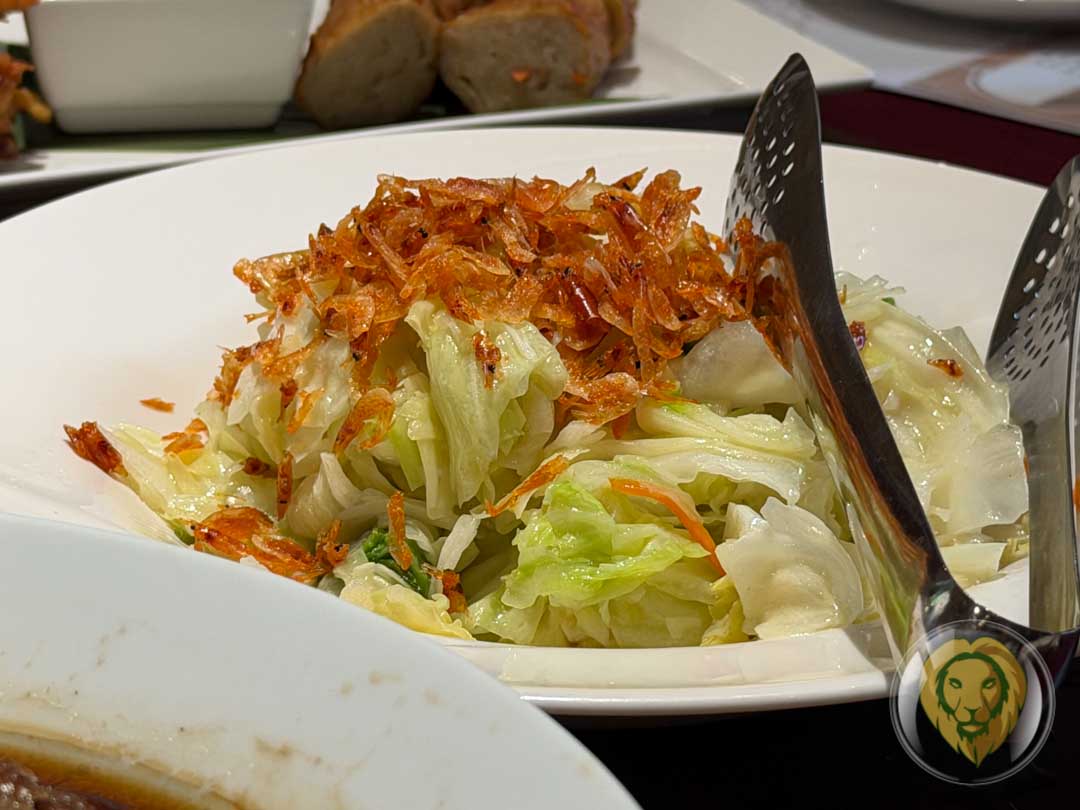
What stood out most was the restaurant’s confidence. None of the dishes relied on elaborate presentation or unnecessary embellishment. Instead, they reflected the essence of Taiwanese cooking: allowing high-quality ingredients to speak for themselves. Every bite celebrated freshness, balance, and generations of culinary tradition.
Throughout our Familiarization Trip, we discovered that dining in Taiwan is rarely viewed simply as eating.
Meals become opportunities for connection.
Families gather around round tables, dishes are placed at the center for everyone to enjoy, and conversations naturally unfold as food is passed from one person to another.

Red Castle embodied that tradition beautifully.
As our group shared dish after dish, conversations moved effortlessly from travel experiences to Taiwanese history, architecture, and culture. The meal became as much about storytelling as it was about food. Perhaps that is why restaurants like Red Castle leave such lasting impressions.
After enjoying lunch, visitors can continue exploring many of Tamsui’s most iconic attractions within a short distance.
Nearby Fuyou Temple, dedicated to the sea goddess Mazu, offers insight into the district’s maritime heritage, while Tamsui Old Street invites travelers to sample famous local snacks such as Ah Gei, fish balls, and traditional pastries. The riverside promenade provides a relaxing walk with scenic waterfront views, making the restaurant an ideal starting point for discovering one of Taiwan’s oldest settlements.
Rather than treating lunch as a break between sightseeing destinations, Red Castle becomes part of the journey itself. It enriches the entire Tamsui experience.
For travelers seeking more than another restaurant recommendation, Red Castle 1899 delivers an experience that combines history, architecture, breathtaking scenery, and authentic Taiwanese cuisine in one unforgettable destination.
Because sometimes, the best way to understand a place isn’t through a museum exhibit or a history book.
Sometimes, it’s by sharing a meal inside a building that has been telling stories for more than a century.
