
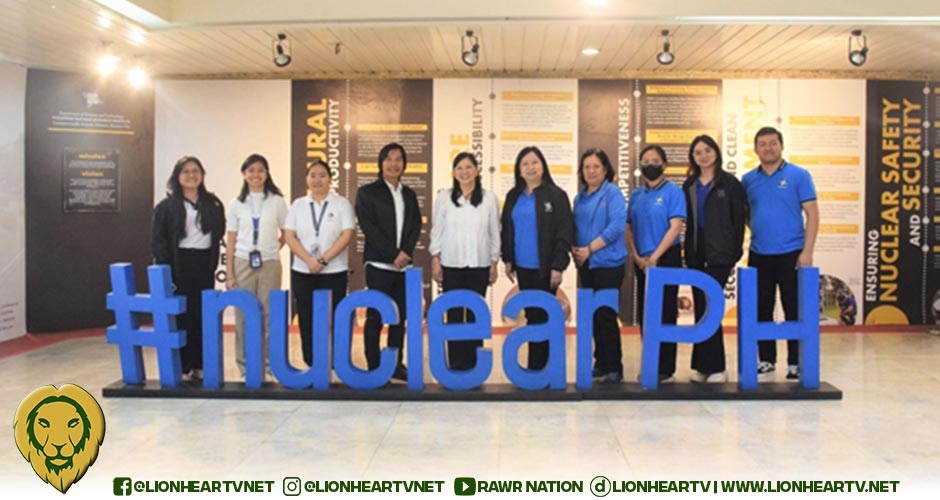

The Department of Science and Technology (DOST) has funded an R&D project to develop a rapid and non-destructive diagnostic method for detecting heavy metals and trace elements in various high-value agricultural crops such as cacao, coffee, corn, cabbage, lettuce, coconut, mango, and banana.

This recently launched innovation will work towards validation of food quality for high-value agricultural crops, employing nuclear-allied techniques to develop a portable diagnostic method for Filipino farmers.
Heavy metals and trace elements can be found in crops from agricultural inputs such as fertilizers, pesticides, and amendments; industrial activities in the area; metal equipment used in processing, and transport and storage conditions. The possible heavy metals that can be found in these crops include cadmium (Cd), copper (Cu), lead (Pb), chromium (Cr), arsenic (As), and mercury (Hg), which when consumed consistently in amounts that are not safe for human consumption. These elements can cause cancer as well as cardiovascular, neurological, and kidney problems, among others.
 Project Leader Roland Rallos outlines project details and processes
“Increasing crop productivity in our country should ultimately contribute to better human health, not compromise it. Heavy metal contamination remains a reality in many agricultural lands, and addressing this challenge requires science-based interventions developed through rigorous research by our institutions,” said DOST Secretary Renato U. Solidum, Jr. in a statement. “This project will help improve the quality of our produce while equipping our farmers with a cost-effective method for detecting heavy metals.”
The project, “Development and Application of Rapid, Non-destructive Heavy Metal and Trace Element Detection Techniques in Plant Materials,” is implemented by the DOST-Philippine Nuclear Research Institute (PNRI) and monitored by DOST-Philippine Council for Agriculture, Aquatic and Natural Resources Research and Development (PCAARRD). The project’s focus is high-value agricultural crops such as cacao, coffee, corn, cabbage, lettuce, coconut, mango, and banana. These are widely consumed by Filipinos and exported to global markets, underscoring the need to comply with both local and international food safety standards and regulations.
To address the problems of heavy metal and trace elements in high-value crops, the project needed a more affordable, faster, and accessible detection process that can be accessible by farmers and farm owners in the country. Successful implementation of the project is expected to provide farmers, cooperatives, and local technicians a cost-effective and accessible device that can enhance product quality, marketability, and ultimately improve agricultural livelihoods.
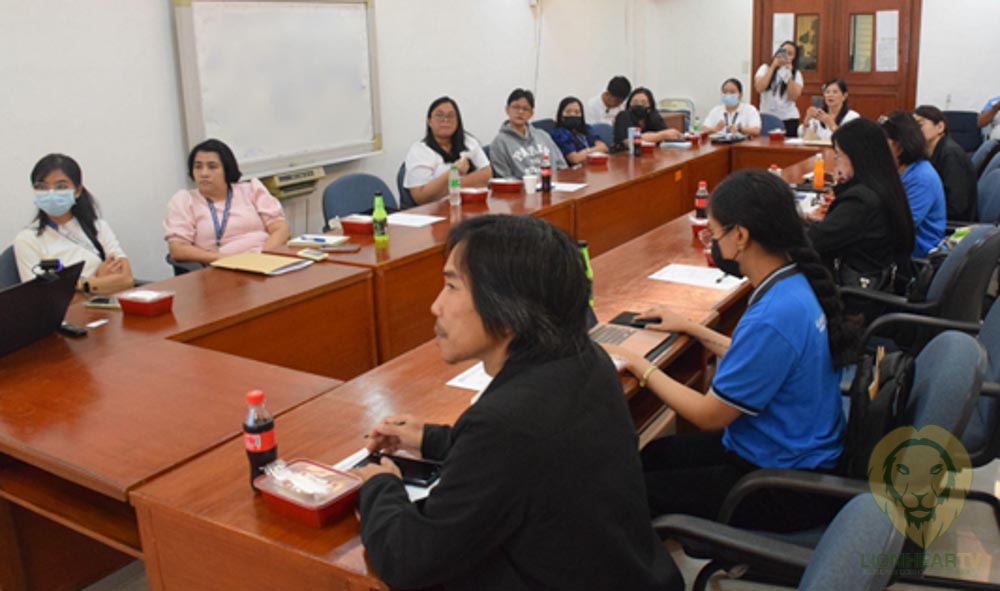
Aside from the project team, attendees of the inception meeting included representatives from the funding agency, monitoring agency, and administrative divisions of the implementing agency
The project will be implemented for two years in Ilocos, Western Visayas, Davao, Zamboanga Peninsula, and SOCCSKSARGEN.
Additionally, the study is looking to generate a calibration database that can support accurate detection and analysis of heavy metals and trace elements, guide policy recommendations on food safety regulations, and aid decision-making process for bioremediation operations.
To formally commence the project, an inception meeting was held on January 12, 2026 at DOST-PNRI in Quezon City to discuss the Grants-in-Aid program guidelines and address important technical, financial, and administrative matters to ensure smooth project implementation. Dr. Rallos presented the processes, important details, and plans of the project team for implementation.
On a wider scale, the project is expected to strengthen the Philippine agricultural sector by enhancing both local and global competitiveness of high-value crops while contributing to the protection of public health through improved food safety, quality control, and regulation.
