
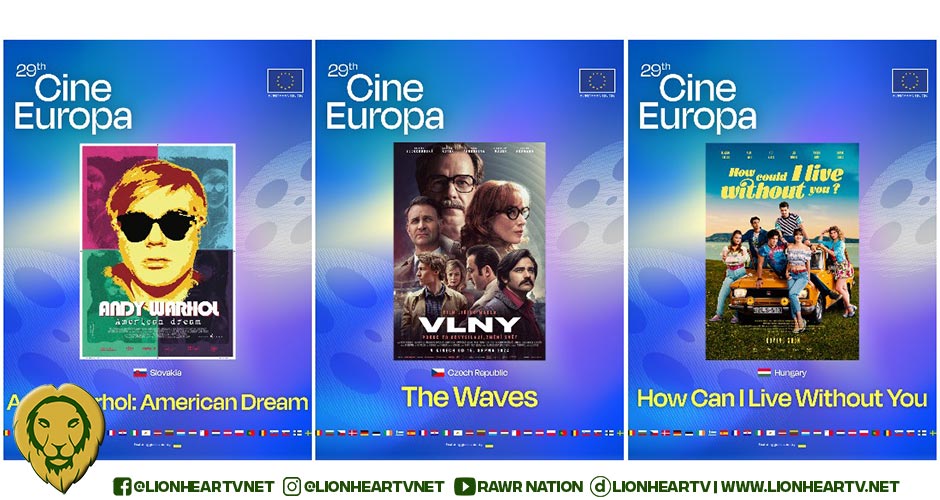
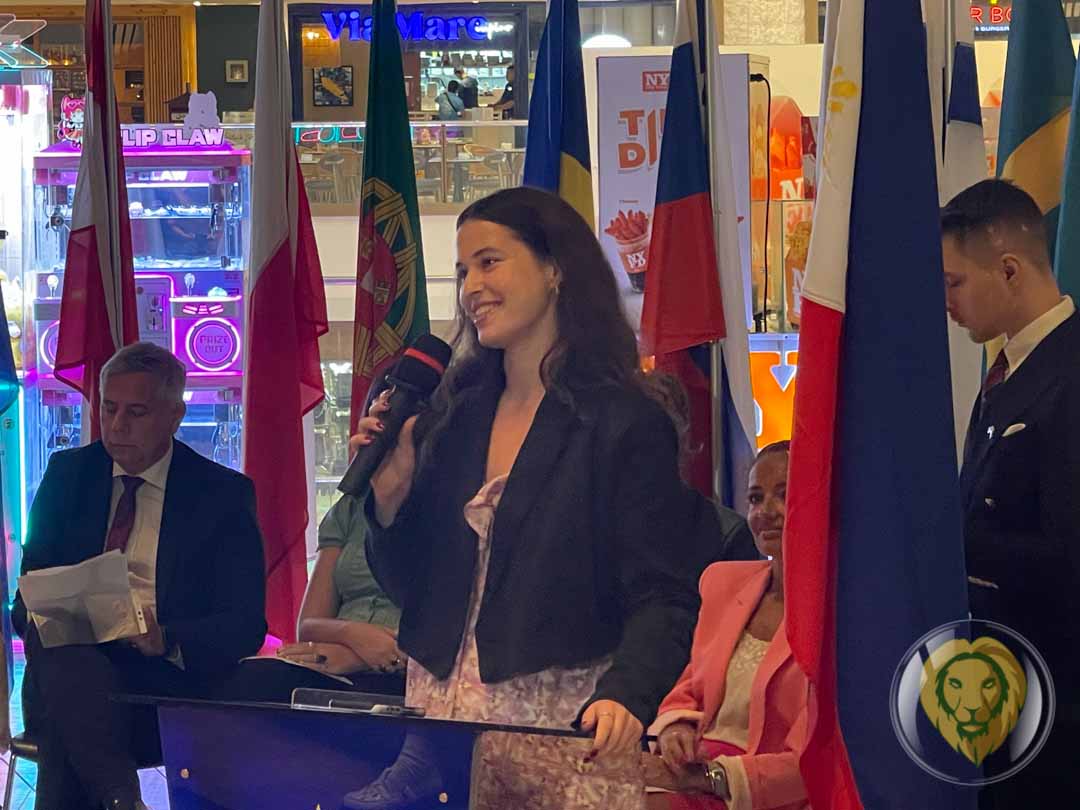
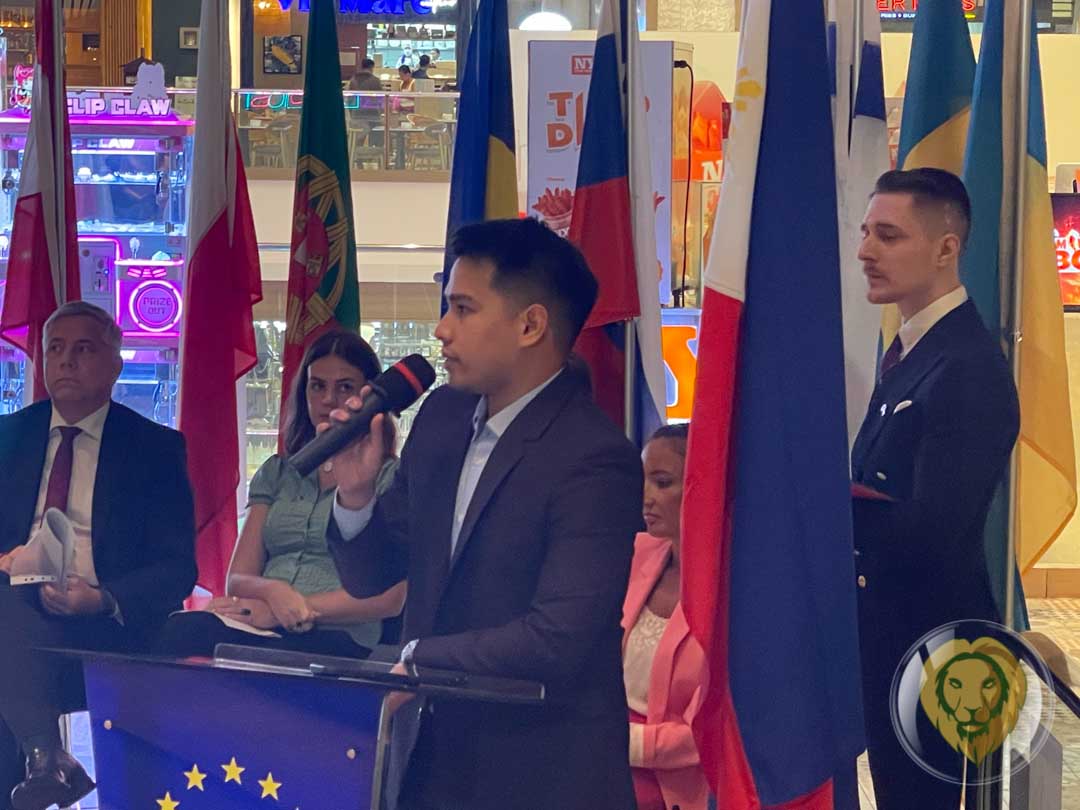
Shangri-La Plaza in Mandaluyong City took on a distinctly international atmosphere on May 14, 2026, as cultural representatives, media guests, and film enthusiasts gathered for the official press conference launching Cine Europa 29. Organized by the Delegation of the European Union to the Philippines in partnership with EU Member States’ embassies, cultural institutes, and local Philippine partners, the event formally introduced this year’s expanded celebration of European cinema across the country.

From the moment guests arrived at the venue, the tone of the launch was clear: Cine Europa is not just a film festival but a cultural exchange platform designed to bring diverse European stories closer to Filipino audiences. The Shangri-La Plaza setting, a long-standing partner of the festival, provided a fitting backdrop for the announcement, with its calm, curated environment mirroring the festival’s focus on thoughtful, character-driven storytelling.
The program opened with a detailed presentation of Cine Europa 29’s nationwide rollout, emphasizing its continued commitment to accessibility. This year’s edition will run from May 28 to July 4, 2026, with screenings scheduled across multiple regions in the Philippines. Manila audiences will experience the festival at Shangri-La Plaza from May 28 to June 3, followed by open-air screenings at Rizal Park from June 15 to 20. The festival will then extend its reach to the Visayas and Mindanao through screenings at Eastern Visayas State University in Tacloban (June 11–15) and Liceo de Cagayan University in Cagayan de Oro (June 29–July 4). All screenings remain free of charge, reinforcing Cine Europa’s core mission of cultural accessibility.
Throughout the briefing, organizers emphasized that Cine Europa’s identity lies in its diversity—not only in geography but in genre, theme, and perspective. This year’s lineup features 17 feature films and 3 documentaries from various EU Member States, showcasing everything from historical drama and psychological fiction to comedy, fantasy, and documentary storytelling.
What makes Cine Europa stand out each year is its deliberate curatorial approach. Rather than focusing on commercial appeal, the festival highlights films that explore identity, history, social issues, and human relationships through distinct national lenses. In doing so, it offers Filipino audiences a rare opportunity to experience European storytelling that is both culturally specific and universally relatable.
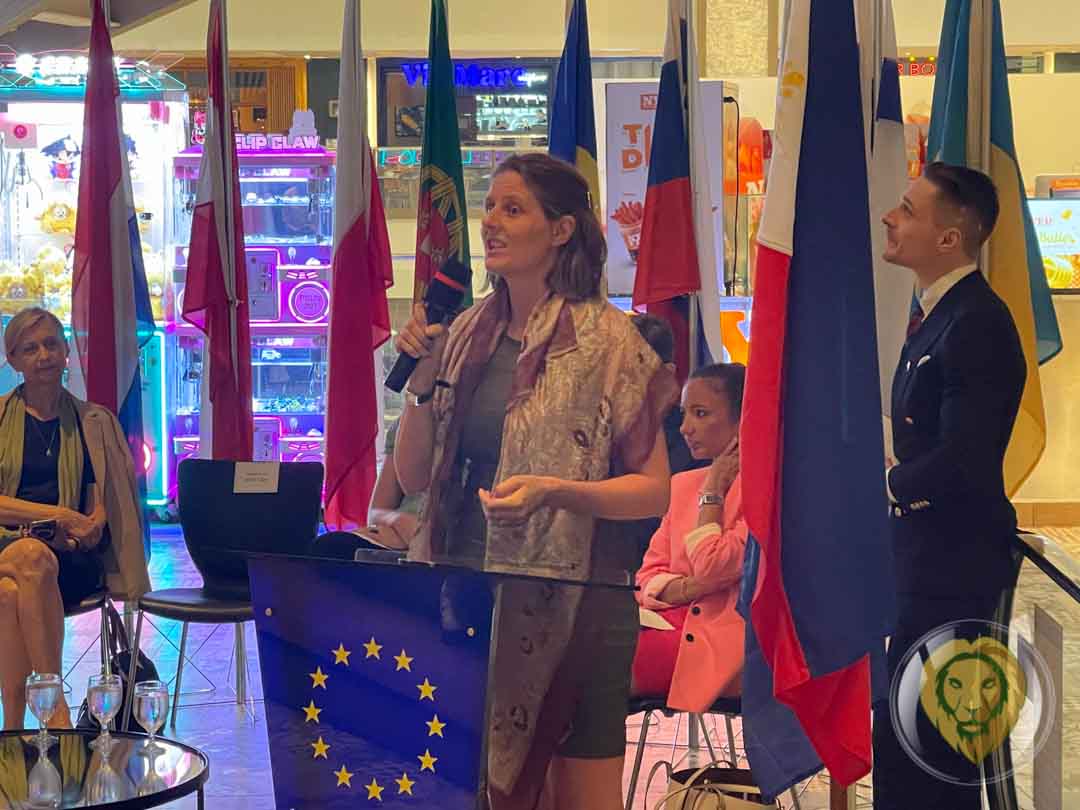
A key highlight of the press launch was the special screening of Lampo the Traveling Dog, a Polish family adventure film that immediately set a warm and emotional tone for the event. The story, centered on a sick girl who forms a bond with a remarkable train-traveling dog, reflected Cine Europa’s ability to balance heavy thematic films with accessible, family-oriented narratives.
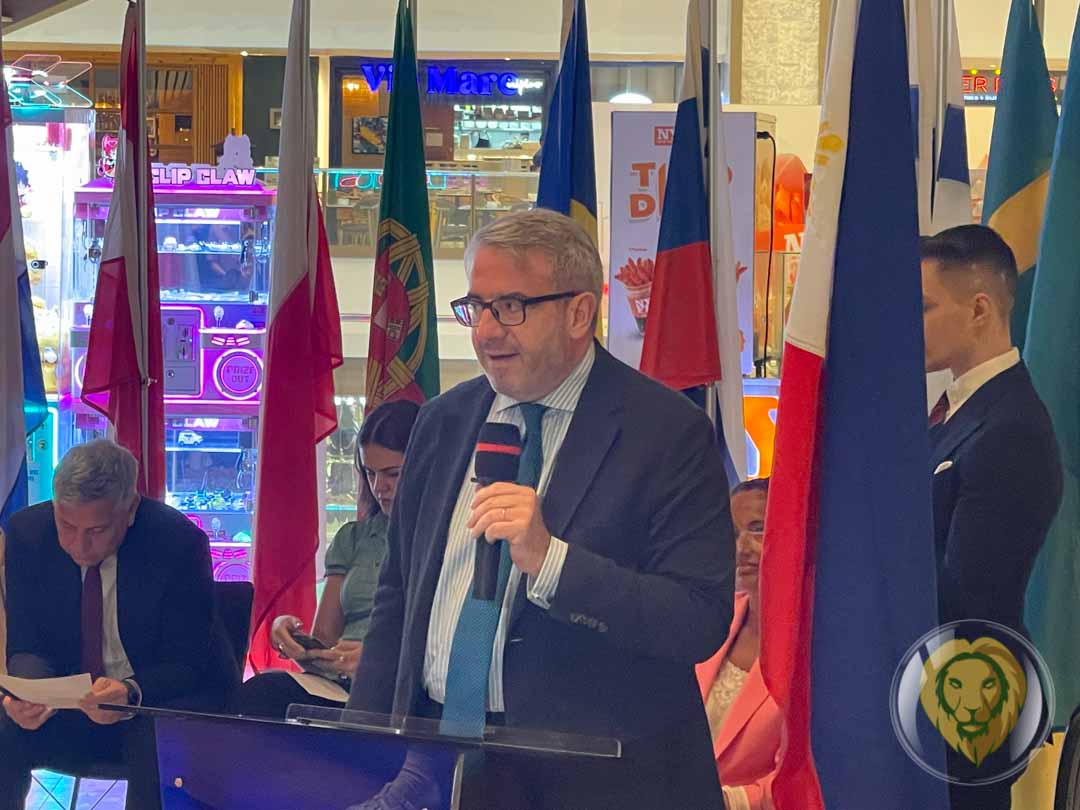
Following the screening, attention shifted back to the broader significance of the festival itself. Cine Europa 29 was consistently framed not just as an annual event, but as an evolving cultural bridge between Europe and the Philippines. The program highlighted how cinema can function as a shared language—one that transcends geography and allows audiences to engage with unfamiliar cultures through relatable human experiences.
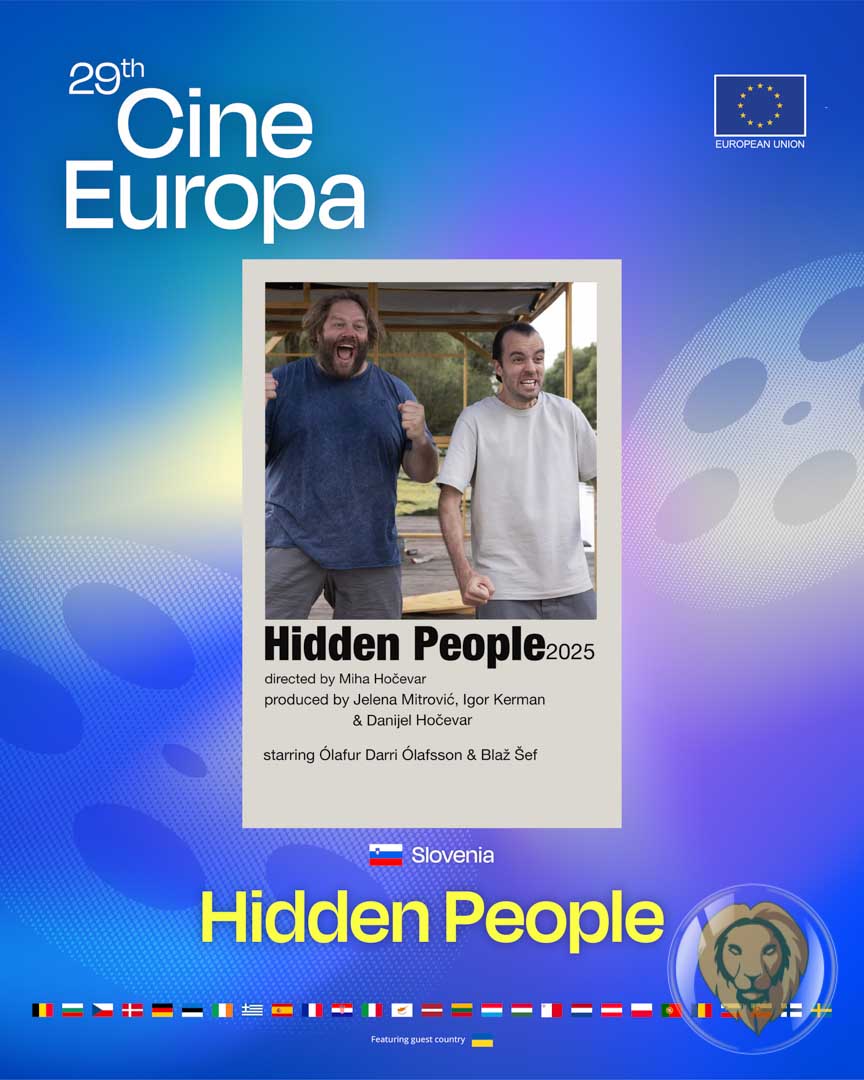
This year’s lineup further reinforces that idea. Films such as The Waves (Czech Republic) revisit historical struggles during the Prague Spring, while Four Mothers (Ireland) explores caregiving and aging through a comedic yet emotional lens. Slovenia’s Hidden People combines absurd humor with themes of displacement and identity, while Austria’s Peacock examines modern performance culture and the pressure of constantly adapting to social expectations.
Other selections, including Sweden’s The Dance Club, Germany’s Roter Himmel (Afire), and Italy’s Gloria, continue to demonstrate the festival’s commitment to socially relevant storytelling. These films tackle issues ranging from mental health and environmental crisis to artistic expression and personal freedom, all while maintaining strong cinematic identities rooted in their countries of origin.
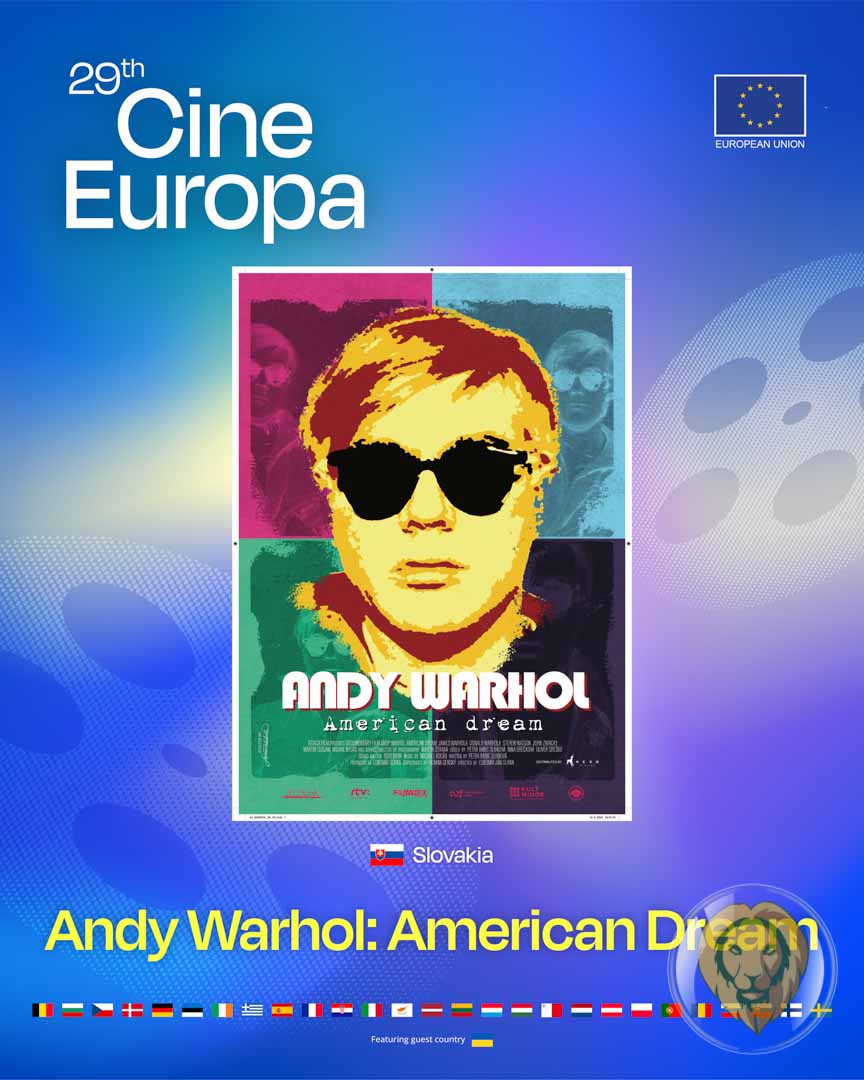
The documentary segment of Cine Europa 29 also adds significant depth to the lineup. Andy Warhol: American Dream from Slovakia reexamines the cultural origins of one of the world’s most iconic artists, while Romania’s Nasty revisits the controversial and charismatic career of tennis legend Ilie Năstase. Ukraine’s A Simple Soldier provides a sobering portrait of war and survival, grounding the festival in contemporary global realities.
Throughout the press conference, what remained most consistent was the positioning of Cine Europa itself as the central narrative—not any single film, but the collective experience of discovery. Organizers underscored that Cine Europa is designed to encourage audiences to step beyond familiar viewing habits and engage with cinema as a form of cultural dialogue. Each film becomes a point of entry into a different society, perspective, and emotional landscape.

The festival’s long-standing partnerships with institutions such as the Film Development Council of the Philippines, Shangri-La Plaza Corporation, Eastern Visayas State University, Liceo de Cagayan University, and the National Parks Development Committee were also acknowledged as key to sustaining its nationwide reach. These collaborations ensure that Cine Europa continues to expand beyond Metro Manila and into regional communities, making international cinema more accessible to a broader audience.
As the press conference concluded, there was a shared sense of anticipation among attendees for the upcoming screenings. Cine Europa 29 is set to once again transform multiple venues across the country into temporary cultural spaces where audiences can experience European stories firsthand—free of charge, and open to all.
Ultimately, the launch reaffirmed Cine Europa’s enduring identity: a festival built not on spectacle, but on connection. Through its carefully curated films and inclusive programming, Cine Europa 29 continues to position cinema as a bridge between cultures, inviting Filipino audiences to see the world through a wider, more diverse cinematic lens. (with reports from Lau Balocos)