


Three episodes into ‘Drug War: A Conspiracy of Silence’, one thing becomes immediately clear: this is not a series designed for comfort viewing.
It is heavy, emotionally draining, politically charged, and brutally honest — and that is precisely what makes it one of the most compelling Filipino limited series projects in recent years.

Written and directed by Shugo Praico, the series wastes no time immersing viewers into the terrifying realities of the Philippine drug war. From the opening scenes alone, the show establishes a world consumed by fear, violence, silence, and moral compromise. Bodies appear on the streets. Police operations unfold with disturbing urgency. Families are left shattered in the aftermath.
What makes the series effective, however, is that it never treats violence as spectacle. Instead, every death, every confrontation, and every moment of grief feels deeply personal. The first three episodes consistently remind viewers that behind every statistic is a human story.
At the center of the narrative is Ian Veneracion as Fr. Tom Carillo, arguably the emotional anchor of the series. Veneracion delivers one of his most restrained yet powerful performances to date. His portrayal of a priest slowly losing certainty in both faith and justice feels painfully authentic. Fr. Tom begins as a man preaching compassion and mercy, but as the violence intensifies around him, the character is forced into impossible moral dilemmas.
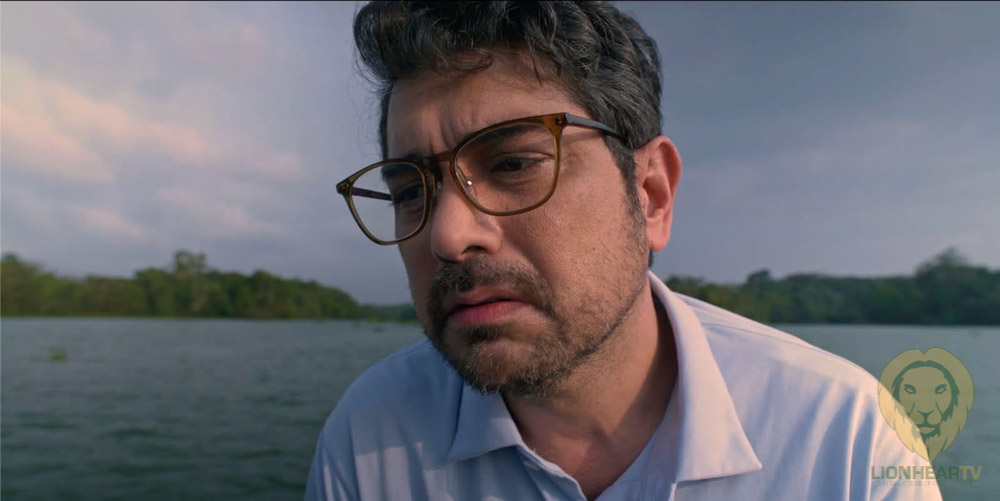
Veneracion plays the role with quiet devastation rather than dramatic excess, allowing the emotional weight to build naturally. By the third episode, Fr. Tom no longer feels like a passive observer but a man emotionally cornered by the system surrounding him.
Equally impressive is Harvey Bautista as Kiko Agustin. Harvey brings vulnerability and humanity to a character that could have easily become one-dimensional. Kiko is not portrayed merely as a troubled youth caught in the drug war but as a deeply wounded person trying to survive circumstances beyond his control. Harvey’s performance gives the series much of its emotional urgency.
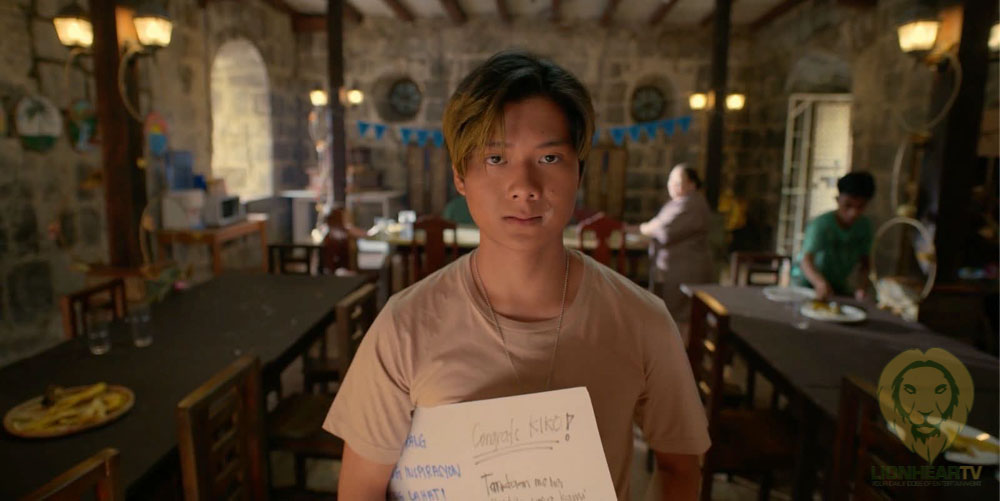
The scenes involving Kiko and his family are among the strongest moments in the first three episodes, particularly those shared with Romnick Sarmenta. Their interactions provide brief emotional breathing room amid the darkness while grounding the series in realism.
Meanwhile, Jane Oineza delivers a restrained yet effective performance as Yana Macabeo, a police officer burdened by guilt and conscience. While the first three episodes focus more heavily on Fr. Tom and Kiko, Jane’s character quietly represents the moral conflict brewing within law enforcement itself. Her silence often says more than dialogue could.

Visually, the series feels cinematic without becoming overly stylized. Shugo Praico avoids glamorizing violence, instead presenting Manila as tense, claustrophobic, and emotionally exhausted. The direction creates a constant feeling of unease, as though danger can erupt at any moment.
What truly separates ‘Drug War: A Conspiracy of Silence’ from many crime dramas is its willingness to confront uncomfortable questions. The show does not offer easy answers or clean heroes. Instead, it examines how fear, grief, power, and survival reshape ordinary people.
The pacing across the first three episodes is deliberate, but never dull. Each episode gradually expands the emotional and political scope of the story while deepening the personal struggles of its characters. By the end of Episode 3, the emotional stakes feel significantly heavier, setting up what could become an even more devastating second half.
The series will not appeal to viewers looking for escapist entertainment. Its subject matter is too painful and too grounded in recent Philippine history for that. But for audiences willing to engage with difficult material, ‘Drug War: A Conspiracy of Silence’ offers a brave, timely, and emotionally gripping viewing experience.
After three episodes, the series already stands as one of the boldest Filipino productions tackling the long shadow left by the country’s anti-drug campaign — not simply as political commentary, but as a deeply human story about loss, conscience, and survival.
