
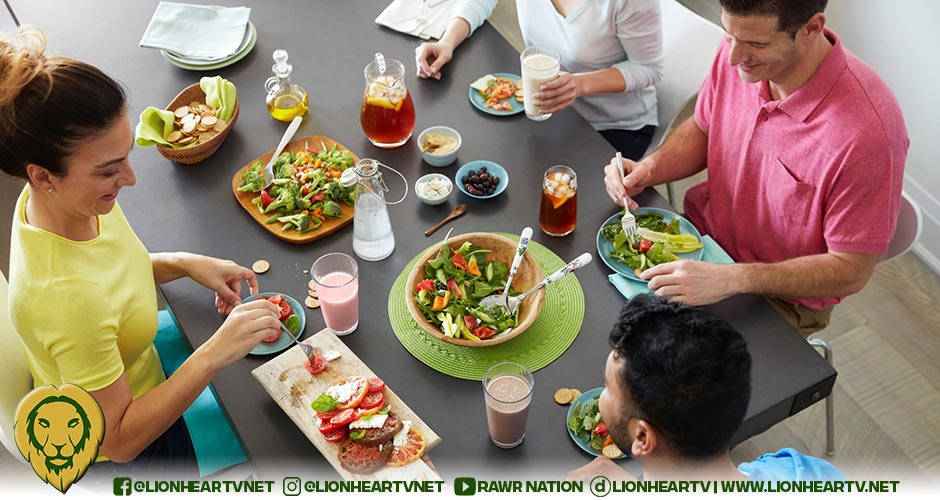

Every summer when the world’s best soccer players take the field, the conversation turns to what they eat. Pre-match meals. Recovery shakes. Hydration protocols. And every year, a lot of fans come away with the same impression: elite sports nutrition is something foreign, something engineered, something that lives in a lab.
According to Dr. Luigi Gratton, Vice President of Health and Wellness at Herbalife, based on his decades of experience working in sports nutrition: the opposite is true. The foods your grandmother cooked — on her stove, in her kitchen, with ingredients her own grandmother used — are often closer to elite sports nutrition than you think. Traditional cuisines from around the world were built on the same principles that now fuel professional athletes: balanced macronutrients, seasonal produce, lean protein, whole grains, healthy fats, and a respect for food as both nourishment and community.
As the Philippines observes Nutrition Month, this message feels especially timely. Healthy eating does not always have to come from expensive wellness trends or unfamiliar ingredients. In many Filipino households, traditional home-cooked meals—especially those prepared by grandmothers—already reflect the same principles of balance, nourishment, and shared mealtimes that support active lifestyles and overall wellness, with studies linking home-cooked meals to better diet quality.
As the world focuses on soccer this summer, Dr. Gratton points to traditional foods from football-loving cultures around the world that already fit the Performance Plate framework elite athletes use.
Mexico and Central America: rice, beans and the complete protein
Corn, rice, beans, tomatoes, cheese, tortillas and chilies are the foundation of Mexican and Central American cooking. The guide highlights huevos rancheros — over-easy eggs with beans and rice — as a regional staple, and you can see why it works for athletes. It hits the same components the guide recommends in a Performance Plate: carbohydrates from rice, protein from eggs and beans, and the kind of familiar, easy-to-digest profile we look for around training.
Brazil and South America: the recovery stew
The guide describes Brazil’s feijoada as a smoky stew of beans, beef and pork — the kind of slow-cooked, carb-and-protein-rich meal that lines up well with the recovery principles we teach. Peru’s ceviche is a lean fish dish that fits naturally into a training-week menu. And yerba mate, the shared South American tea the guide notes is popular across the region, contains caffeine — something many elite athletes use strategically as part of their fueling.
The Mediterranean: the sports nutrition blueprint
The Mediterranean diet gets cited in every nutrition study for a reason. The foods of France, Italy, Spain and Greece are rich in seafood, whole grains and olive oil — delivering omega-3 fatty acids, complex carbohydrates and monounsaturated fats that form the backbone of recovery nutrition. Spanish paella combines rice, seafood or chicken, vegetables and saffron into what is, effectively, a match-day carb-and-protein plate. A Greek salad with feta, olive oil and olives is an anti-inflammatory side dish that works for any athlete.
Asia: layered meals that work hard
Japanese, Chinese, Korean and Southeast Asian cooking gives athletes rice and noodle bases to meet carbohydrate needs, layered with vegetables, lean protein and flavor-dense broths. A Korean bibimbap is a Performance Plate in a bowl: rice, mixed vegetables, lean beef and a fried egg. Japanese miso soup delivers electrolytes and fermented foods for gut health. And turmeric, the bright yellow spice common across South and Southeast Asian cooking, features in my recovery guidance for its anti-inflammatory benefits — research shows it helps speed recovery and reduce muscle soreness.
In the Philippines, this same layered approach shows up in everyday home-cooked dishes like chicken tinola, sinigang, and arroz caldo, which naturally combine carbohydrates, protein, vegetables, and broths that support hydration, recovery, and overall nutrition with studies noting that meals in Filipino diets tend to score higher in nutritional quality when they are balanced and home-prepared compared to food consumed away from home.
The Middle East: dates, hummus and plant-based power
Middle Eastern cooking offers some of the most athlete-friendly foods in the world. Hummus delivers plant-based protein from chickpeas and healthy fat from tahini. Falafel is protein-rich. Tabbouleh is a micronutrient powerhouse. And dates — a staple across the region — are one of the best natural pre-training carbohydrates there is, delivering fast-absorbing sugars plus potassium for hydration. Athletes observing Ramadan can work with a sports dietitian to meet their fueling needs while honoring their fast; the traditional foods that break a fast at sunset are, not by accident, exactly the foods the body needs after a long gap.
Africa: jollof, shakshuka and the everyday athlete
West African jollof rice — a tomato-based rice dish spiced and served with grilled fish or chicken — is a complete athlete meal. Northern African shakshuka, eggs poached in a tomato and cumin sauce, is a protein-dense, micronutrient-rich breakfast that works before or after training. These are not athlete hacks. They are everyday foods that have fueled generations of players across the continent.
The elite-to-everyday message
Here is the lesson I take from all of this: elite sports nutrition is not about abandoning your food culture. It is about recognizing that the principles of good fueling — balanced macronutrients, whole foods, colorful produce, hydration, and a rhythm that matches your activity — are universal. Every cuisine in every soccer-loving country on earth has its own version of the Performance Plate. The ingredients are different. The principles are the same.
